
About This Book
The lectures begin by reassessing the classical evidence for biological evolution, distinguishing different senses of evolution and evaluating comparative anatomy, embryology, and the fossil record. They then explain Mendelian principles of segregation and independent assortment and show that wild and domesticated organisms obey the same hereditary laws, encompassing sex-linked traits, duplications, losses, and minor variations. The chromosomal basis of heredity and the composition of the germ plasm are examined, including linkage groups and localization of hereditary factors. Mutation, the effects of selection on factors, and the role of natural selection are analyzed, leading to the view that chance variation together with reproductive multiplication underlies evolutionary change.
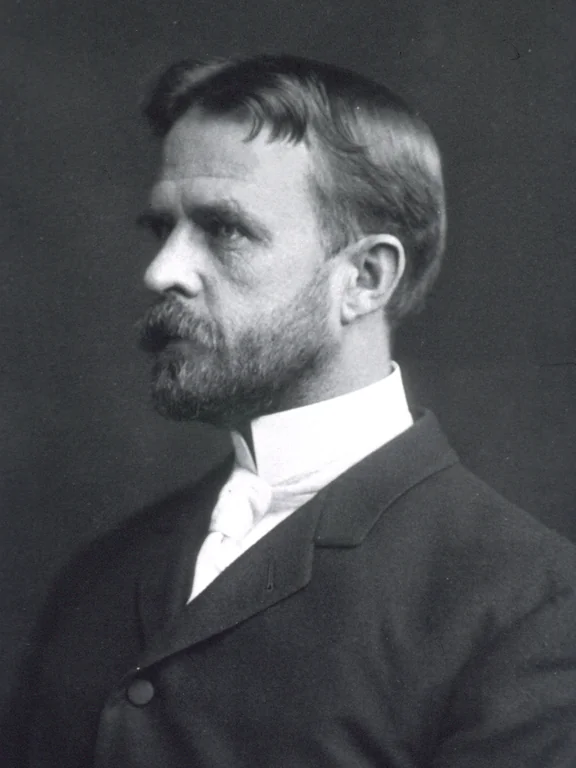
About the Author
More Books by This Author
 Evolution and Adaptation
by Thomas Hunt Morgan
Evolution and Adaptation
by Thomas Hunt Morgan
 Regeneration
by Thomas Hunt Morgan
Regeneration
by Thomas Hunt Morgan
 Sex-linked Inheritance in Drosophila
by Thomas Hunt Morgan
Sex-linked Inheritance in Drosophila
by Thomas Hunt Morgan
 Some possible bearings of genetics on pathology
by Thomas Hunt Morgan
Some possible bearings of genetics on pathology
by Thomas Hunt Morgan
 The genetic and the operative evidence relating to secondary sexual characters
by Thomas Hunt Morgan
The genetic and the operative evidence relating to secondary sexual characters
by Thomas Hunt Morgan
You May Also Like
 Comments on the Taxonomy and Geographic Distribution of Some North American Rodents
by E. Raymond Hall
Comments on the Taxonomy and Geographic Distribution of Some North American Rodents
by E. Raymond Hall
 Els aucells més útils a la agricultura de Catalunya
by Emili Tarré
Els aucells més útils a la agricultura de Catalunya
by Emili Tarré
 Palæontological Report of the Princeton Scientific Expedition of 1877
by Henry Fairfield Osborn
Palæontological Report of the Princeton Scientific Expedition of 1877
by Henry Fairfield Osborn
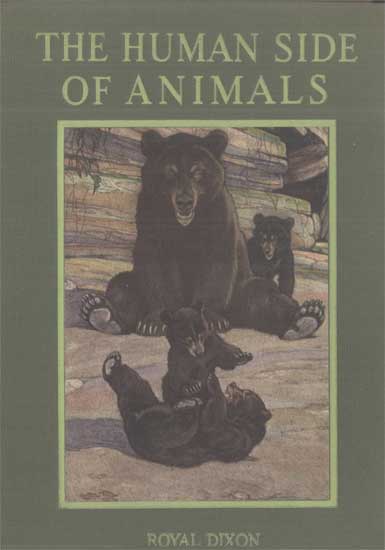 The Human Side of Animals
by Royal Dixon
The Human Side of Animals
by Royal Dixon
 The Social Direction of Evolution: An Outline of the Science of Eugenics
by William E. Kellicott
The Social Direction of Evolution: An Outline of the Science of Eugenics
by William E. Kellicott
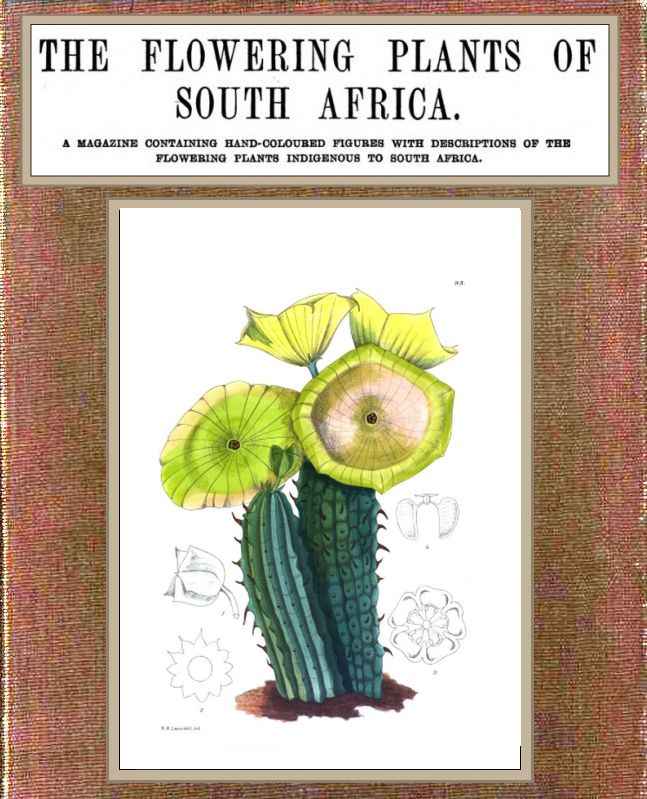 The flowering plants of South Africa; vol. 3
by I. B. Pole Evans
The flowering plants of South Africa; vol. 3
by I. B. Pole Evans