
About This Book
An extended argument proposes that many moral and spiritual principles mirror regularities observed in the natural sciences; the author tests this claim by examining biological concepts—biogenesis, growth, degeneration, death, mortification, and environment—and their analogues in spiritual life, and by discussing relations such as conformity to type, semi-parasitism, parasitism, and classification. He maintains that scientific method can illuminate religious ideas without eliminating mystery, advocates reciprocal enrichment between scientific and theological thought, and supplies observational examples and implications for faith, ethics, and theological method.
About the Author
More Books by This Author
6 picks
You May Also Like
6 picks
 Life of John Coleridge Patteson : Missionary Bishop of the Melanesian Islands
by Charlotte M. Yonge
Life of John Coleridge Patteson : Missionary Bishop of the Melanesian Islands
by Charlotte M. Yonge
 Moses and Aaron: Civil and Ecclesiastical Rites, Used by the Ancient Hebrews
by Thomas Goodwin
Moses and Aaron: Civil and Ecclesiastical Rites, Used by the Ancient Hebrews
by Thomas Goodwin
 Komet und Weltuntergang
by Wilhelm Bölsche
Komet und Weltuntergang
by Wilhelm Bölsche
 Mankind in the Making
by H. G. Wells
Mankind in the Making
by H. G. Wells
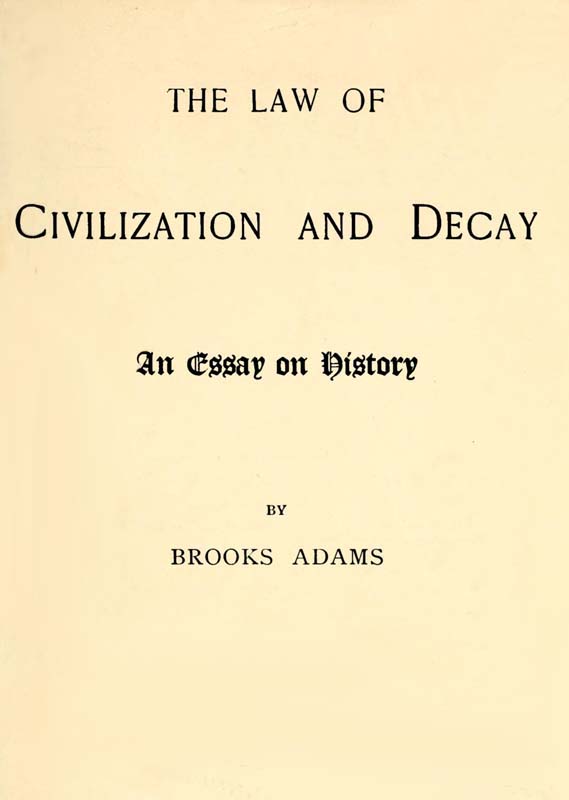 The Law of Civilization and Decay: An Essay on History
by Brooks Adams
The Law of Civilization and Decay: An Essay on History
by Brooks Adams
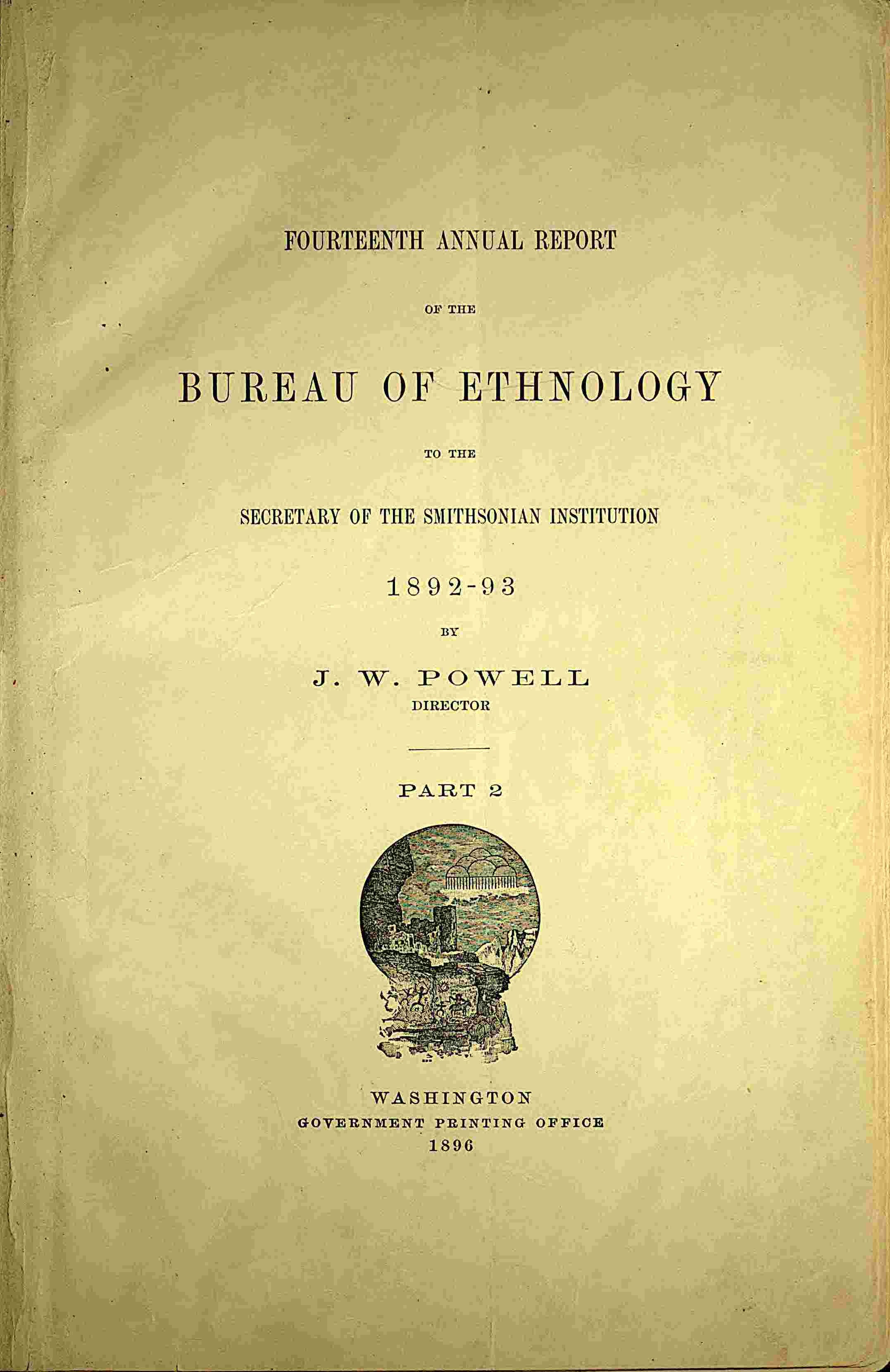 The Ghost-dance religion and the Sioux outbreak of 1890
by James Mooney
The Ghost-dance religion and the Sioux outbreak of 1890
by James Mooney