

About This Book
The volume gathers a series of devotional addresses that expound key biblical passages and apply them to daily Christian life. One extended meditation analyzes the apostle Paul’s depiction of love as the highest Christian virtue, contrasting it with eloquence, faith, charity, and sacrifice, and breaking love into its practical elements. Other talks offer reflections drawn from art and liturgy, a benedictional piece on peace, practical counsel aimed at boys and young men, a plea for moral and spiritual transformation, and guidance for coping with doubt. The tone combines scriptural exposition, moral instruction, and illustrative anecdote to encourage lived devotion and personal holiness.
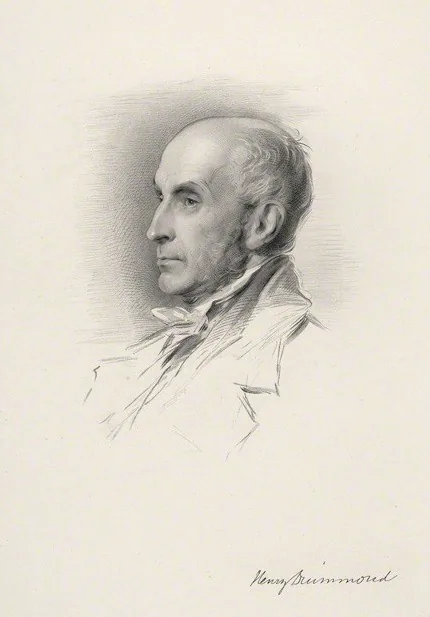
About the Author
More Books by This Author
6 picks




You May Also Like
6 picks
 Autobiography of Z. S. Hastings
by Z. S. Hastings
Autobiography of Z. S. Hastings
by Z. S. Hastings
 Philo-Judæus of Alexandria
by Norman Bentwich
Philo-Judæus of Alexandria
by Norman Bentwich
 Observations By Mr. Dooley
by Finley Peter Dunne
Observations By Mr. Dooley
by Finley Peter Dunne
 Within You is the Power
by Henry Thomas Hamblin
Within You is the Power
by Henry Thomas Hamblin
 On reading in relation to literature
by Lafcadio Hearn
On reading in relation to literature
by Lafcadio Hearn
 Letter to the Reverend Mr. Cary / Containing Remarks upon his Review of the Grounds of / Christianity Examined by Comparing the New Testament to / the Old
by George Bethune English
Letter to the Reverend Mr. Cary / Containing Remarks upon his Review of the Grounds of / Christianity Examined by Comparing the New Testament to / the Old
by George Bethune English