

About This Book
This selection gathers brief, epigrammatic religious and philosophical reflections that interweave Christian faith with considerations of natural law and scientific inquiry. Passages emphasize love as the highest moral test and the central aim of spiritual life, describe spiritual rebirth as a new creation distinct from natural development, and argue for continuity between scientific discovery and religious mystery. Practical moral guidance appears alongside meditations on mystery, the limits of knowledge, and the necessity of divine communion and environment for spiritual growth. The arrangement favors compact aphorisms and daily maxims intended to instruct, encourage, and provoke reflection.
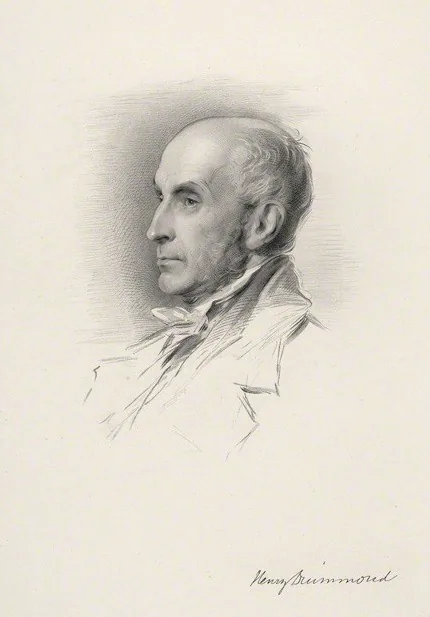
About the Author
More Books by This Author
6 picks





You May Also Like
6 picks
 Bacon
by R. W. Church
Bacon
by R. W. Church
 Junto Al Pasig
by José Rizal
Junto Al Pasig
by José Rizal
 The Varieties of Religious Experience: A Study in Human Nature
by William James
The Varieties of Religious Experience: A Study in Human Nature
by William James
 Miscellaneous Studies; a series of essays
by Walter Pater
Miscellaneous Studies; a series of essays
by Walter Pater
 The Enjoyment of Art
by Carleton Eldredge Noyes
The Enjoyment of Art
by Carleton Eldredge Noyes
 The Essays of Arthur Schopenhauer; Studies in Pessimism
by Arthur Schopenhauer
The Essays of Arthur Schopenhauer; Studies in Pessimism
by Arthur Schopenhauer