
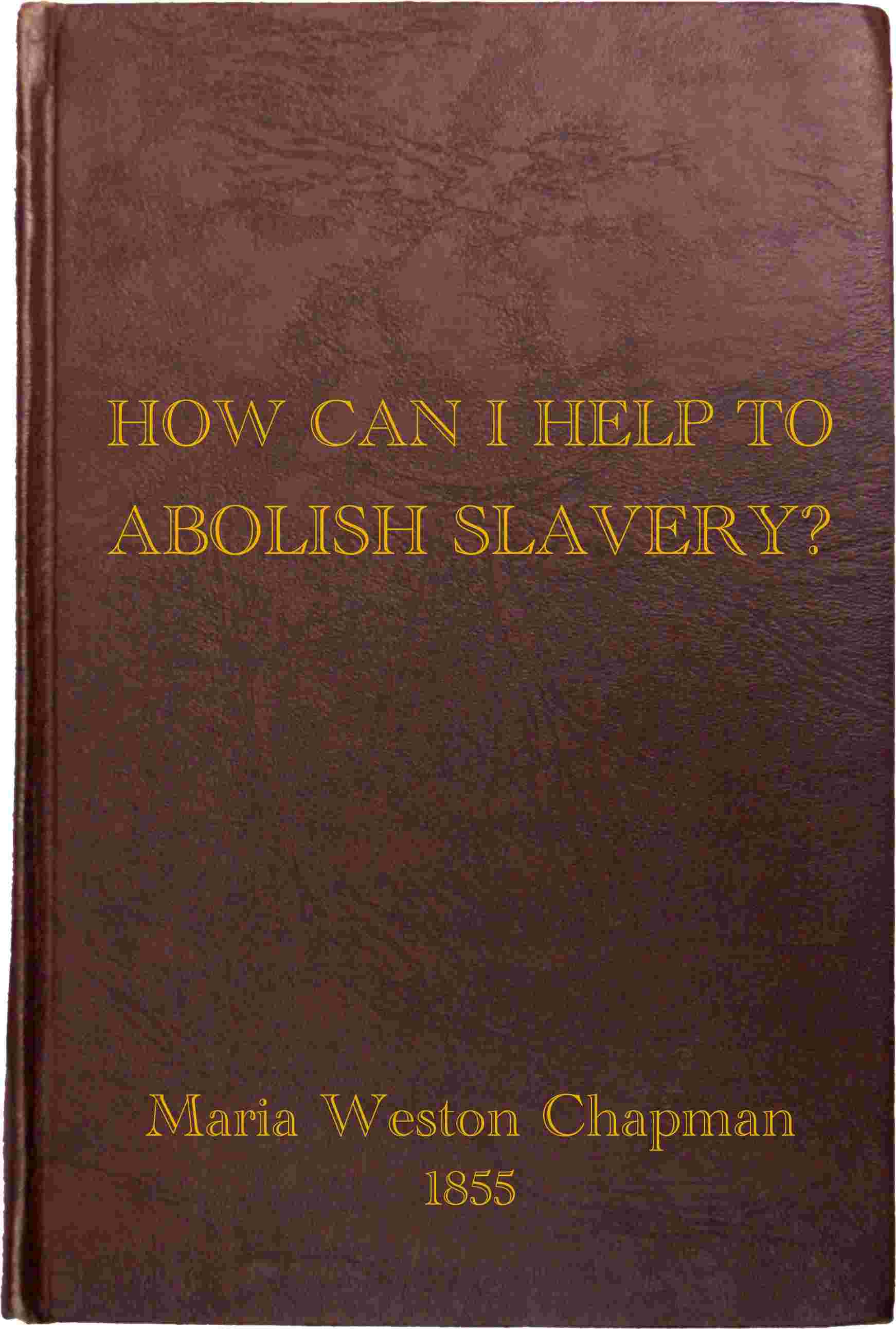
"How Can I Help to Abolish Slavery?" or, Counsels to the Newly Converted
Explore more books like this:
About This Book
The author offers practical counsel to new abolitionists, criticizing popular alternatives—colonization schemes, party politics, compensation plans, slave purchase, and clandestine-only relief—as ineffective or counterproductive. Emphasizing immediate, unconditional emancipation without expatriation, she urges work through organized moral persuasion and national abolitionist effort to change hearts, create committed activists, and build public principle rather than chasing political maneuvers or private remedies. The pamphlet refutes specific proposals, explains their practical harms, and prescribes disciplined, public advocacy and education to achieve lasting legal and moral change.
About the Author
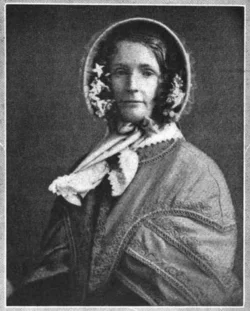
More Books by This Author
1 picks

You May Also Like
6 picks
 Reminiscences of the Nineteenth Massachusetts Regiment
by John G. B. Adams
Reminiscences of the Nineteenth Massachusetts Regiment
by John G. B. Adams
 The Story of Sitka / The Historic Outpost of the Northwest Coast; The Chief Factory of the Russian American Company
by Clarence Leroy Andrews
The Story of Sitka / The Historic Outpost of the Northwest Coast; The Chief Factory of the Russian American Company
by Clarence Leroy Andrews
 Indian Linguistic Families of America, North of Mexico / Seventh Annual Report of the Bureau of Ethnology to the Secretary of the Smithsonian Institution, 1885-1886, Government Printing Office, Washington, 1891, pages 1-142
by John Wesley Powell
Indian Linguistic Families of America, North of Mexico / Seventh Annual Report of the Bureau of Ethnology to the Secretary of the Smithsonian Institution, 1885-1886, Government Printing Office, Washington, 1891, pages 1-142
by John Wesley Powell
 Theodore Roosevelt and His Times: A Chronicle of the Progressive Movement
by Harold Howland
Theodore Roosevelt and His Times: A Chronicle of the Progressive Movement
by Harold Howland
 The army behind the army
by E. Alexander Powell
The army behind the army
by E. Alexander Powell
 Τίμαιος, Τόμος Α
by Plato
Τίμαιος, Τόμος Α
by Plato