WeRead Powered by ReaderPub
Right and wrong in Massachusetts cover

Right and wrong in Massachusetts

An abolitionist account examines how slavery was sustained by Northern civil, religious, commercial, and social arrangements and recounts the development of anti-slavery activism in Massachusetts: the rise of a dedicated abolitionist press, formation of local and national societies, public lecturing, and earnest appeals to Christian conscience; it critiques colonization and hypocrisy, describes debates over strategy and organization, and advocates concentrated moral effort, public education, and voluntary association as means to awaken public sentiment and pursue immediate emancipation.

About This Book

An abolitionist account examines how slavery was sustained by Northern civil, religious, commercial, and social arrangements and recounts the development of anti-slavery activism in Massachusetts: the rise of a dedicated abolitionist press, formation of local and national societies, public lecturing, and earnest appeals to Christian conscience; it critiques colonization and hypocrisy, describes debates over strategy and organization, and advocates concentrated moral effort, public education, and voluntary association as means to awaken public sentiment and pursue immediate emancipation.

About the Author
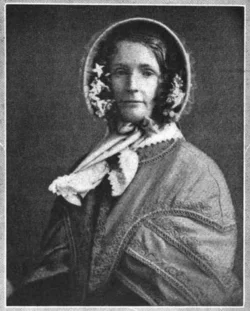
Chapman, Maria Weston portrait

Maria Weston Chapman

Maria Weston Chapman was an American abolitionist and writer active in the 19th century. She is best known for her passionate advocacy against slavery, which she articulated in her influential work, "How Can I Help to Abolish Slavery?" or, Counsels to the Newly Converted. Chapman's writings reflect her deep commitment to social justice and moral reform, particularly in the context of the abolitionist movement. In addition to her activism, she contributed to the discourse on ethical and social issues in her work "Right and wrong in Massachusetts," which examines the moral responsibilities of citizens. Her efforts have left a lasting impact on the fight for human rights.

More Books by This Author

You May Also Like