
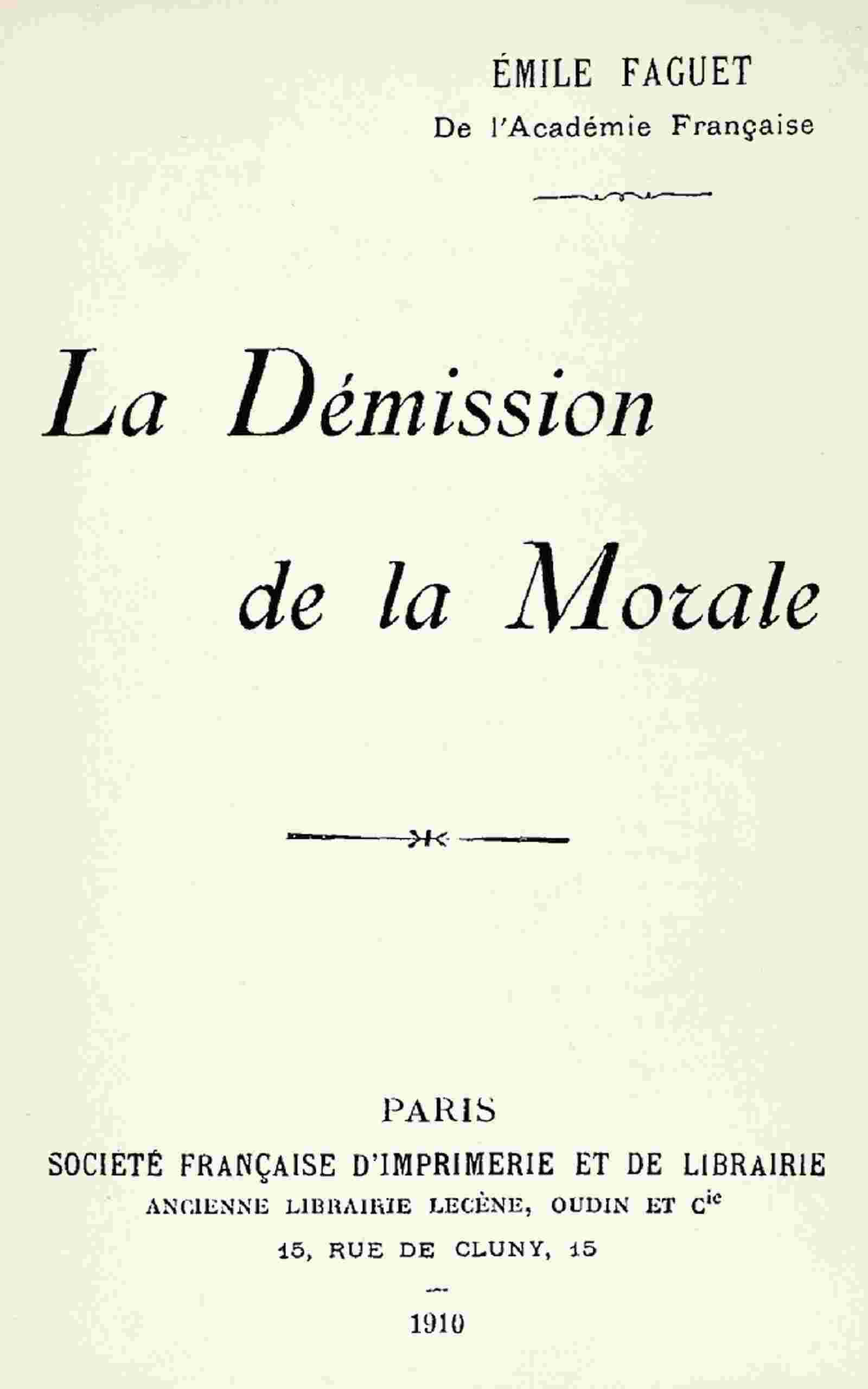
About This Book
The author surveys the development of moral thought, especially in France, tracing shifts from ancient models that tied ethics to psychology or the art of living through Socratic, Stoic, and Epicurean frameworks, to modern debates about grounding morality in religion, science, or in morality itself. He examines Kant's radical move to make moral law self‑standing rather than founded on external authorities, analyzes consequences for moral normativity and practical conduct, and reflects on how these competing foundations shape contemporary ethical discourse and individual behavior.
About the Author
More Books by This Author
6 picks
 "... és a felelősségtől való rettegés"
by Émile Faguet
"... és a felelősségtől való rettegés"
by Émile Faguet
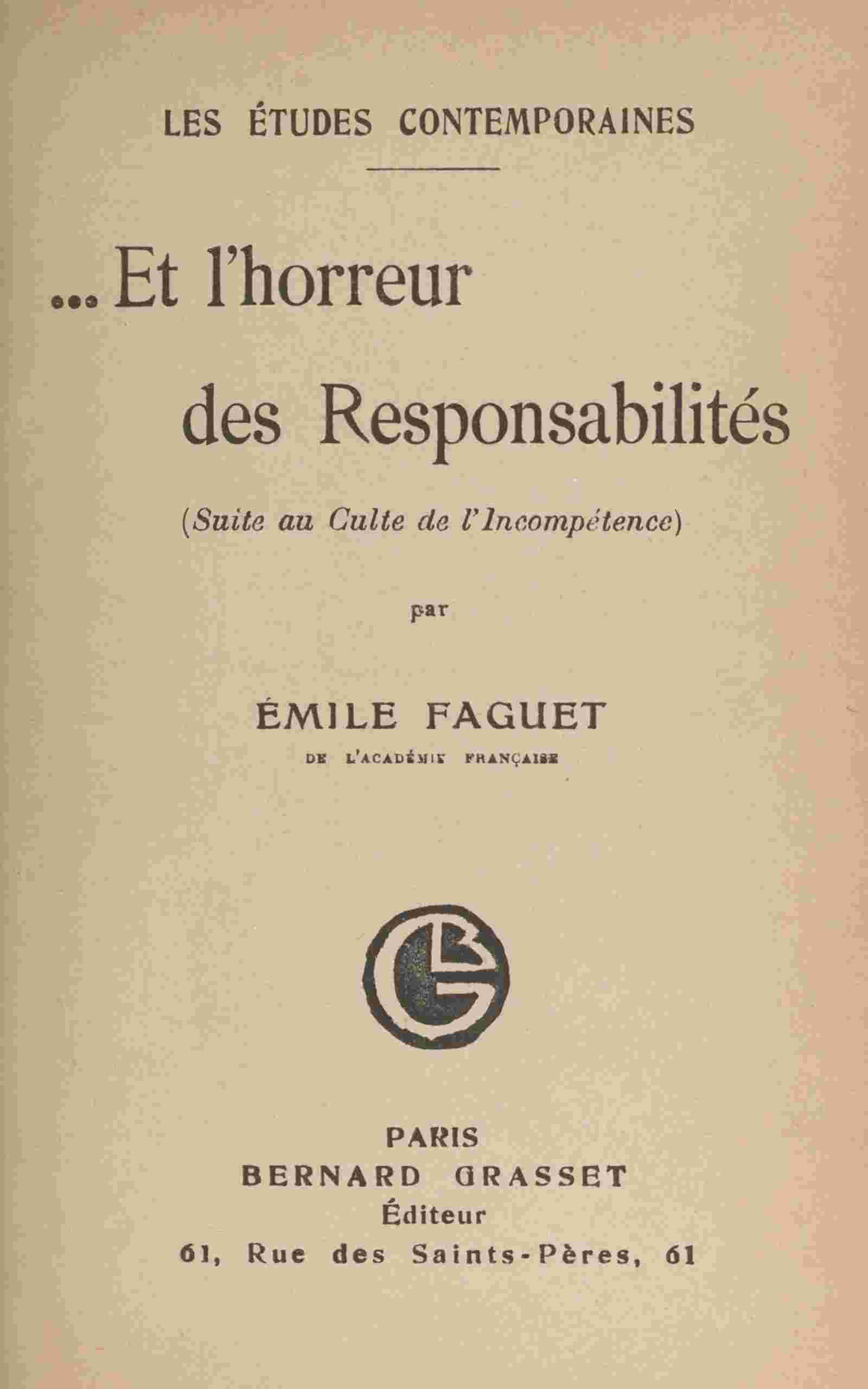 ... Et l'horreur des responsabilités (suite au Culte de l'incompétence)
by Émile Faguet
... Et l'horreur des responsabilités (suite au Culte de l'incompétence)
by Émile Faguet
 A kontárság kultusza
by Émile Faguet
A kontárság kultusza
by Émile Faguet
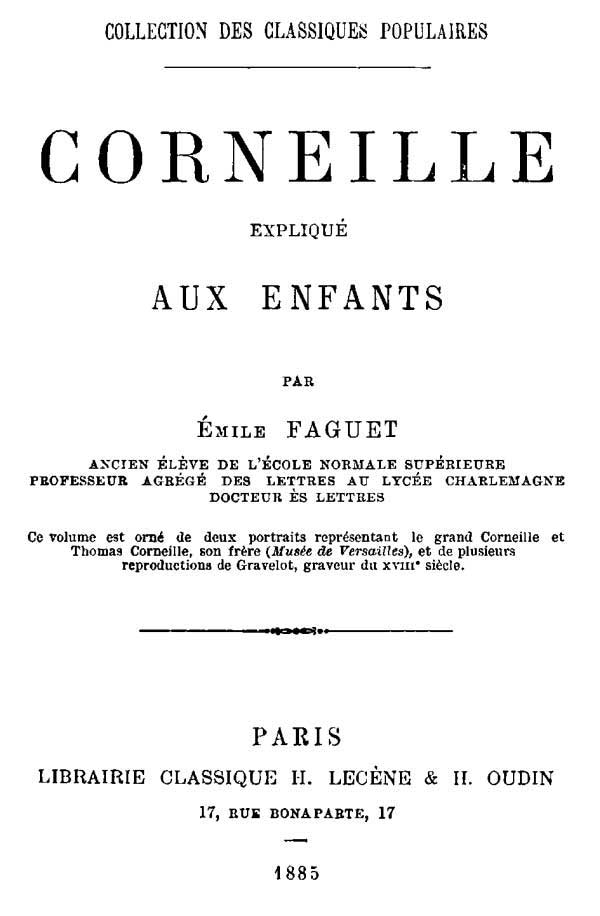 Corneille expliqué aux enfants
by Émile Faguet
Corneille expliqué aux enfants
by Émile Faguet
 Initiation into Literature
by Émile Faguet
Initiation into Literature
by Émile Faguet
 Initiation into Philosophy
by Émile Faguet
Initiation into Philosophy
by Émile Faguet
You May Also Like
6 picks
 Divorce versus Democracy
by G. K. Chesterton
Divorce versus Democracy
by G. K. Chesterton
 War—What For?
by George R. Kirkpatrick
War—What For?
by George R. Kirkpatrick
 The Philosophy and Theology of Averroes
by Averroës
The Philosophy and Theology of Averroes
by Averroës
 Du doute à la foi
by François Tournebize
Du doute à la foi
by François Tournebize
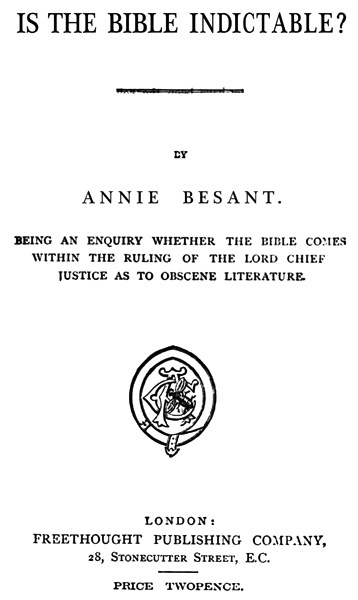 Is the Bible Indictable? / Being an Enquiry whether the Bible Comes within the Ruling of the Lord Chief Justice as to Obscene Literature
by Annie Besant
Is the Bible Indictable? / Being an Enquiry whether the Bible Comes within the Ruling of the Lord Chief Justice as to Obscene Literature
by Annie Besant
 Götzen-Dämmerung
by Friedrich Wilhelm Nietzsche
Götzen-Dämmerung
by Friedrich Wilhelm Nietzsche