
About This Book
A curated selection of essays combines art criticism, practical guidance on drawing and architectural principles, and broader social and economic commentary. The author emphasizes close observation of nature and the moral function of art, presenting vivid stylistic analyses alongside concrete advice for artistic practice. Subsequent pieces apply aesthetic concerns to questions of education, labor, and civic life, critiquing prevailing economic ideas and urging reforms to improve public welfare. The collection mixes theoretical exposition, instructional material, and polemical argumentation in a rhetorically forceful voice intended to shape both taste and social conscience.
About the Author
More Books by This Author
6 picks
 "Præterita": souvenirs de jeunesse
by John Ruskin
"Præterita": souvenirs de jeunesse
by John Ruskin
 A Joy For Ever (and Its Price in the Market)
by John Ruskin
A Joy For Ever (and Its Price in the Market)
by John Ruskin
 Aratra Pentelici, Seven Lectures on the Elements of Sculpture / Given before the University of Oxford in Michaelmas Term, 1870
by John Ruskin
Aratra Pentelici, Seven Lectures on the Elements of Sculpture / Given before the University of Oxford in Michaelmas Term, 1870
by John Ruskin
 Ariadne Florentina: Six Lectures on Wood and Metal Engraving
by John Ruskin
Ariadne Florentina: Six Lectures on Wood and Metal Engraving
by John Ruskin
 Fors Clavigera (Volume 6 of 8) /
by John Ruskin
Fors Clavigera (Volume 6 of 8) /
by John Ruskin
 Giotto and his works in Padua / An Explanatory Notice of the Series of Woodcuts Executed for the Arundel Society After the Frescoes in the Arena Chapel
by John Ruskin
Giotto and his works in Padua / An Explanatory Notice of the Series of Woodcuts Executed for the Arundel Society After the Frescoes in the Arena Chapel
by John Ruskin
You May Also Like
6 picks
 A Problem in Greek Ethics / Being an inquiry into the phenomenon of sexual inversion, addressed especially to medical psychologists and jurists
by John Addington Symonds
A Problem in Greek Ethics / Being an inquiry into the phenomenon of sexual inversion, addressed especially to medical psychologists and jurists
by John Addington Symonds
 The Meaning of Good—A Dialogue
by G. Lowes Dickinson
The Meaning of Good—A Dialogue
by G. Lowes Dickinson
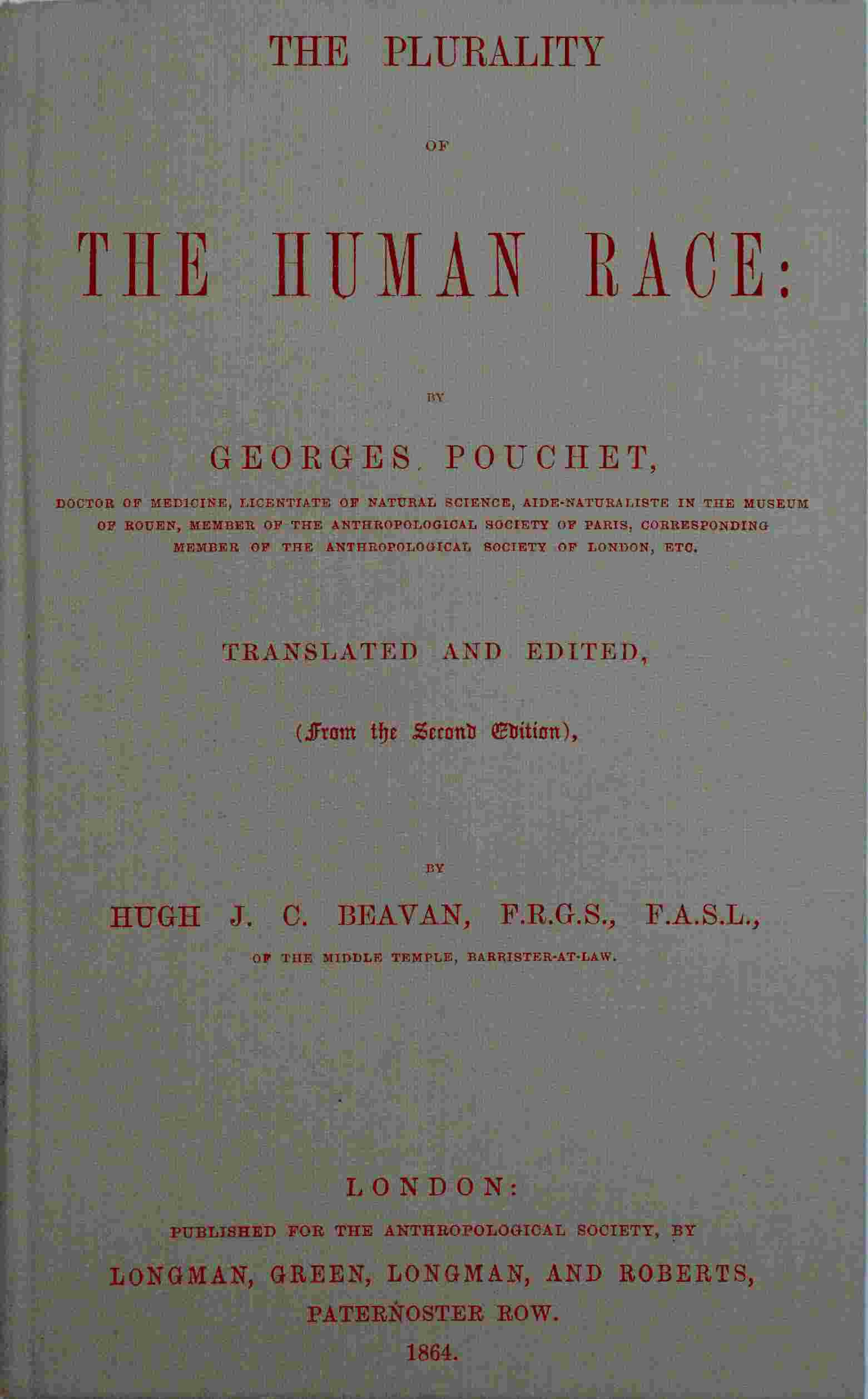 The plurality of the human race
by G. Pouchet
The plurality of the human race
by G. Pouchet
 Le poëme de Myrza - Hamlet
by George Sand
Le poëme de Myrza - Hamlet
by George Sand
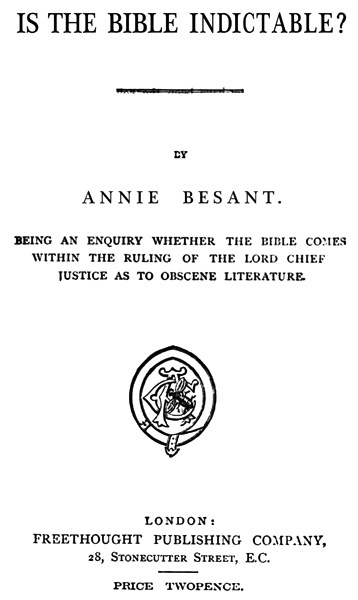 Is the Bible Indictable? / Being an Enquiry whether the Bible Comes within the Ruling of the Lord Chief Justice as to Obscene Literature
by Annie Besant
Is the Bible Indictable? / Being an Enquiry whether the Bible Comes within the Ruling of the Lord Chief Justice as to Obscene Literature
by Annie Besant
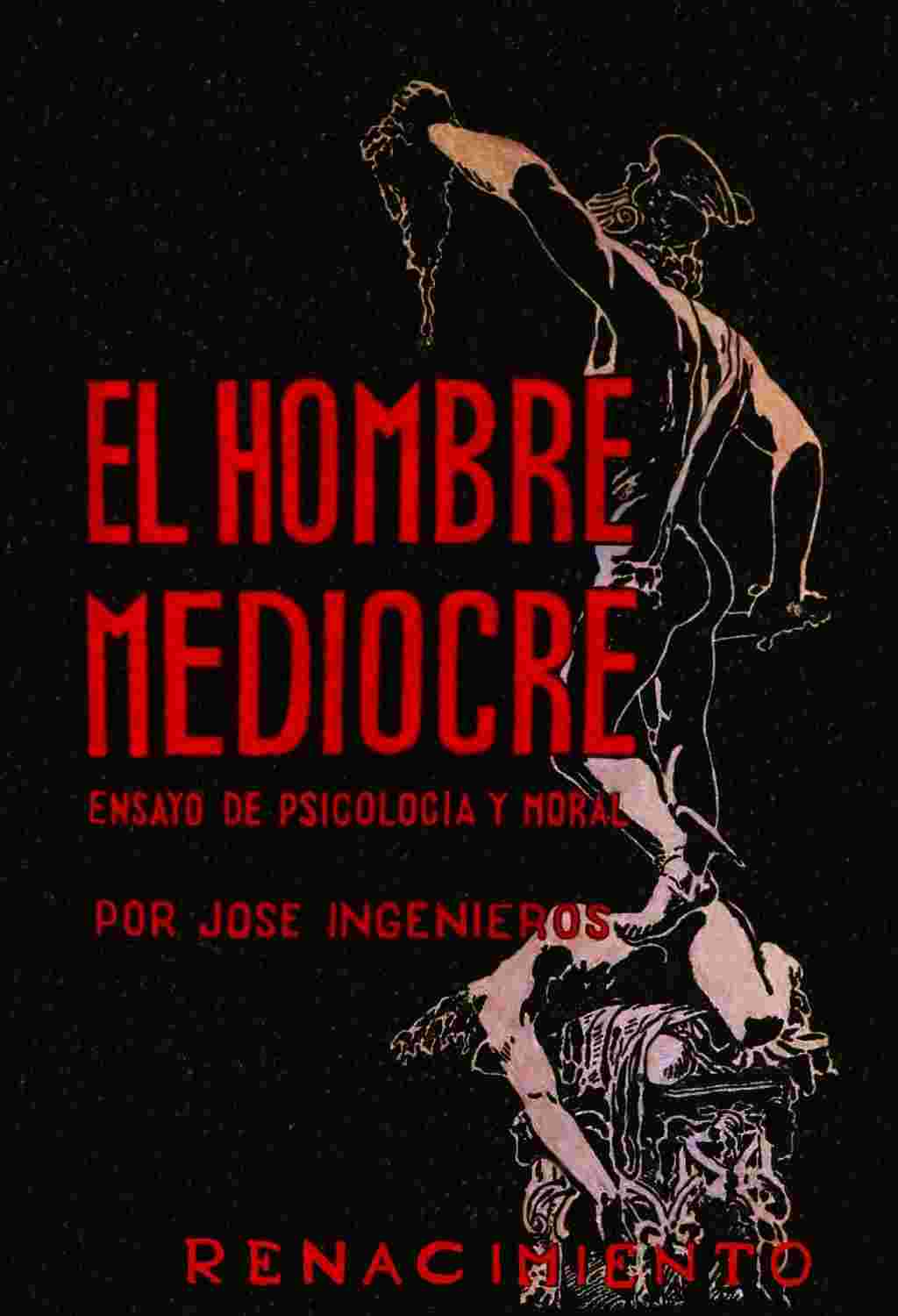 El Hombre Mediocre: Ensayo de psicologia y moral
by José Ingenieros
El Hombre Mediocre: Ensayo de psicologia y moral
by José Ingenieros