
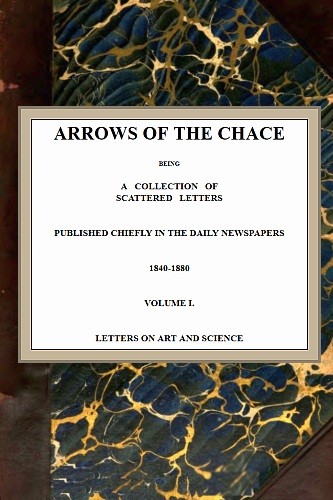
Arrows of the Chace, vol. 1/2 / being a collection of scattered letters published chiefly in the daily newspapers 1840-1880
This collection gathers scattered letters and essays originally published in newspapers and periodicals during the nineteenth century, offering sustained criticism and reflection on painting, architecture, and public taste. The pieces analyze individual works and artists, debate Pre-Raphaelite methods and Turner's legacy, advocate for art education and institutional care, and consider restoration, collections, and pedagogical reform. Close technical readings of color, light, and pictorial truth appear alongside practical proposals for museums and teaching, combining aesthetic theory with civic concern for cultural stewardship.
About This Book
This collection gathers scattered letters and essays originally published in newspapers and periodicals during the nineteenth century, offering sustained criticism and reflection on painting, architecture, and public taste. The pieces analyze individual works and artists, debate Pre-Raphaelite methods and Turner's legacy, advocate for art education and institutional care, and consider restoration, collections, and pedagogical reform. Close technical readings of color, light, and pictorial truth appear alongside practical proposals for museums and teaching, combining aesthetic theory with civic concern for cultural stewardship.
About the Author
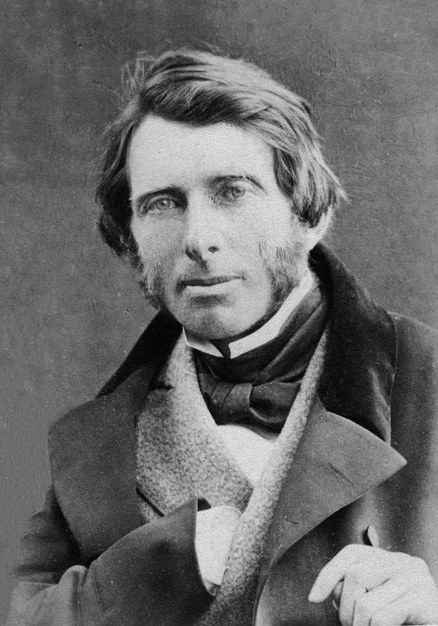
More Books by This Author
 "Præterita": souvenirs de jeunesse
by John Ruskin
"Præterita": souvenirs de jeunesse
by John Ruskin
 A Joy For Ever (and Its Price in the Market)
by John Ruskin
A Joy For Ever (and Its Price in the Market)
by John Ruskin
 Aratra Pentelici, Seven Lectures on the Elements of Sculpture / Given before the University of Oxford in Michaelmas Term, 1870
by John Ruskin
Aratra Pentelici, Seven Lectures on the Elements of Sculpture / Given before the University of Oxford in Michaelmas Term, 1870
by John Ruskin
 Ariadne Florentina: Six Lectures on Wood and Metal Engraving
by John Ruskin
Ariadne Florentina: Six Lectures on Wood and Metal Engraving
by John Ruskin
 Arrows of the Chace, vol. 2/2 / being a collection of scattered letters published chiefly in the daily newspapers 1840-1880
by John Ruskin
Arrows of the Chace, vol. 2/2 / being a collection of scattered letters published chiefly in the daily newspapers 1840-1880
by John Ruskin
 Fors Clavigera (Volume 1 of 8) / Letters to the workmen and labourers of Great Britain
by John Ruskin
Fors Clavigera (Volume 1 of 8) / Letters to the workmen and labourers of Great Britain
by John Ruskin
You May Also Like
 A architectura religiosa na Edade Média
by Augusto Fuschini
A architectura religiosa na Edade Média
by Augusto Fuschini
 A B C of Gothic Architecture
by John Henry Parker
A B C of Gothic Architecture
by John Henry Parker
 A Guide to Peterborough Cathedral / Comprising a brief history of the monastery from its foundation to the present time, with a descriptive account of its architectural peculiarities and recent improvements; compiled from the works of Gunton, Britton, and original & authentic documents
by George S. Phillips
A Guide to Peterborough Cathedral / Comprising a brief history of the monastery from its foundation to the present time, with a descriptive account of its architectural peculiarities and recent improvements; compiled from the works of Gunton, Britton, and original & authentic documents
by George S. Phillips
 A guide to the Cathedral Church of Saint John the Divine in the city of New York / Fifth Edition
by Edward Hagaman Hall
A guide to the Cathedral Church of Saint John the Divine in the city of New York / Fifth Edition
by Edward Hagaman Hall
 A History of Architecture in all Countries, Volume 1, 3rd ed. / From the Earliest Times to the Present Day
by James Fergusson
A History of Architecture in all Countries, Volume 1, 3rd ed. / From the Earliest Times to the Present Day
by James Fergusson
 A History of Architecture in All Countries, Volume 2, 3rd ed. / From the Earliest Times to the Present Day
by James Fergusson
A History of Architecture in All Countries, Volume 2, 3rd ed. / From the Earliest Times to the Present Day
by James Fergusson