
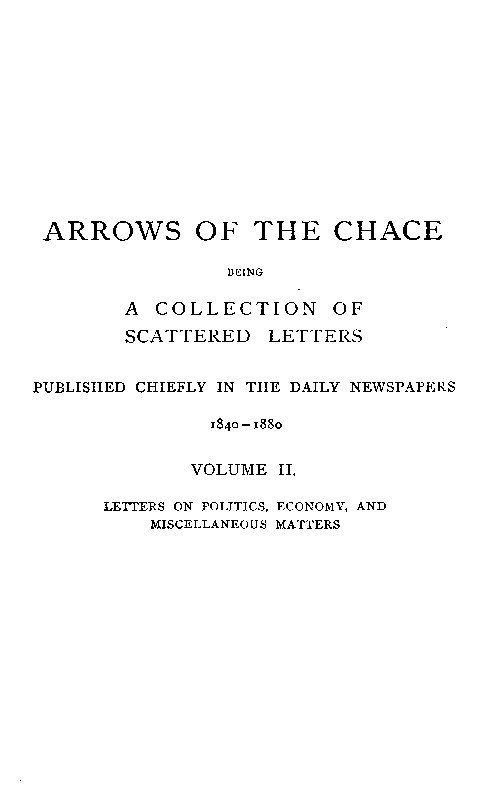
Arrows of the Chace, vol. 2/2 / being a collection of scattered letters published chiefly in the daily newspapers 1840-1880
A collected set of public letters offers sustained commentary on political, economic, and cultural questions of the era. Subjects include foreign policy, war, and imperial unrest, as well as economic issues such as currency, supply and demand, wages, strikes, and the nature of wealth and property. Other pieces discuss infrastructure and industry, domestic service and housing, education, art and literary criticism, dress and women's work, and proposals for social and institutional reform. The epistolary form combines moral argument, practical policy suggestions, and cultural observation addressed to newspapers, public figures, and civic audiences.
About This Book
A collected set of public letters offers sustained commentary on political, economic, and cultural questions of the era. Subjects include foreign policy, war, and imperial unrest, as well as economic issues such as currency, supply and demand, wages, strikes, and the nature of wealth and property. Other pieces discuss infrastructure and industry, domestic service and housing, education, art and literary criticism, dress and women's work, and proposals for social and institutional reform. The epistolary form combines moral argument, practical policy suggestions, and cultural observation addressed to newspapers, public figures, and civic audiences.
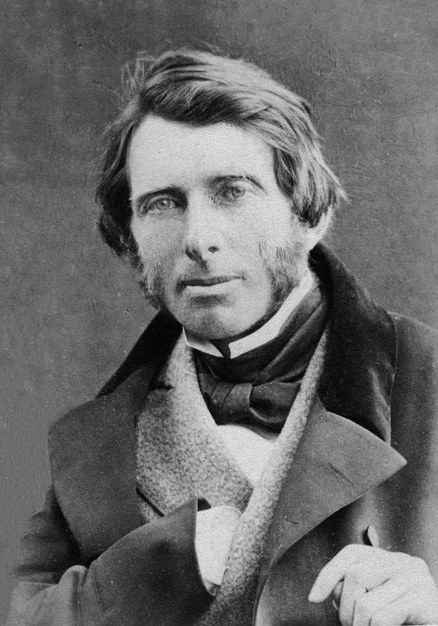
About the Author
More Books by This Author
 "Præterita": souvenirs de jeunesse
by John Ruskin
"Præterita": souvenirs de jeunesse
by John Ruskin
 A Joy For Ever (and Its Price in the Market)
by John Ruskin
A Joy For Ever (and Its Price in the Market)
by John Ruskin
 Aratra Pentelici, Seven Lectures on the Elements of Sculpture / Given before the University of Oxford in Michaelmas Term, 1870
by John Ruskin
Aratra Pentelici, Seven Lectures on the Elements of Sculpture / Given before the University of Oxford in Michaelmas Term, 1870
by John Ruskin
 Ariadne Florentina: Six Lectures on Wood and Metal Engraving
by John Ruskin
Ariadne Florentina: Six Lectures on Wood and Metal Engraving
by John Ruskin
 Arrows of the Chace, vol. 1/2 / being a collection of scattered letters published chiefly in the daily newspapers 1840-1880
by John Ruskin
Arrows of the Chace, vol. 1/2 / being a collection of scattered letters published chiefly in the daily newspapers 1840-1880
by John Ruskin
 Fors Clavigera (Volume 1 of 8) / Letters to the workmen and labourers of Great Britain
by John Ruskin
Fors Clavigera (Volume 1 of 8) / Letters to the workmen and labourers of Great Britain
by John Ruskin
You May Also Like
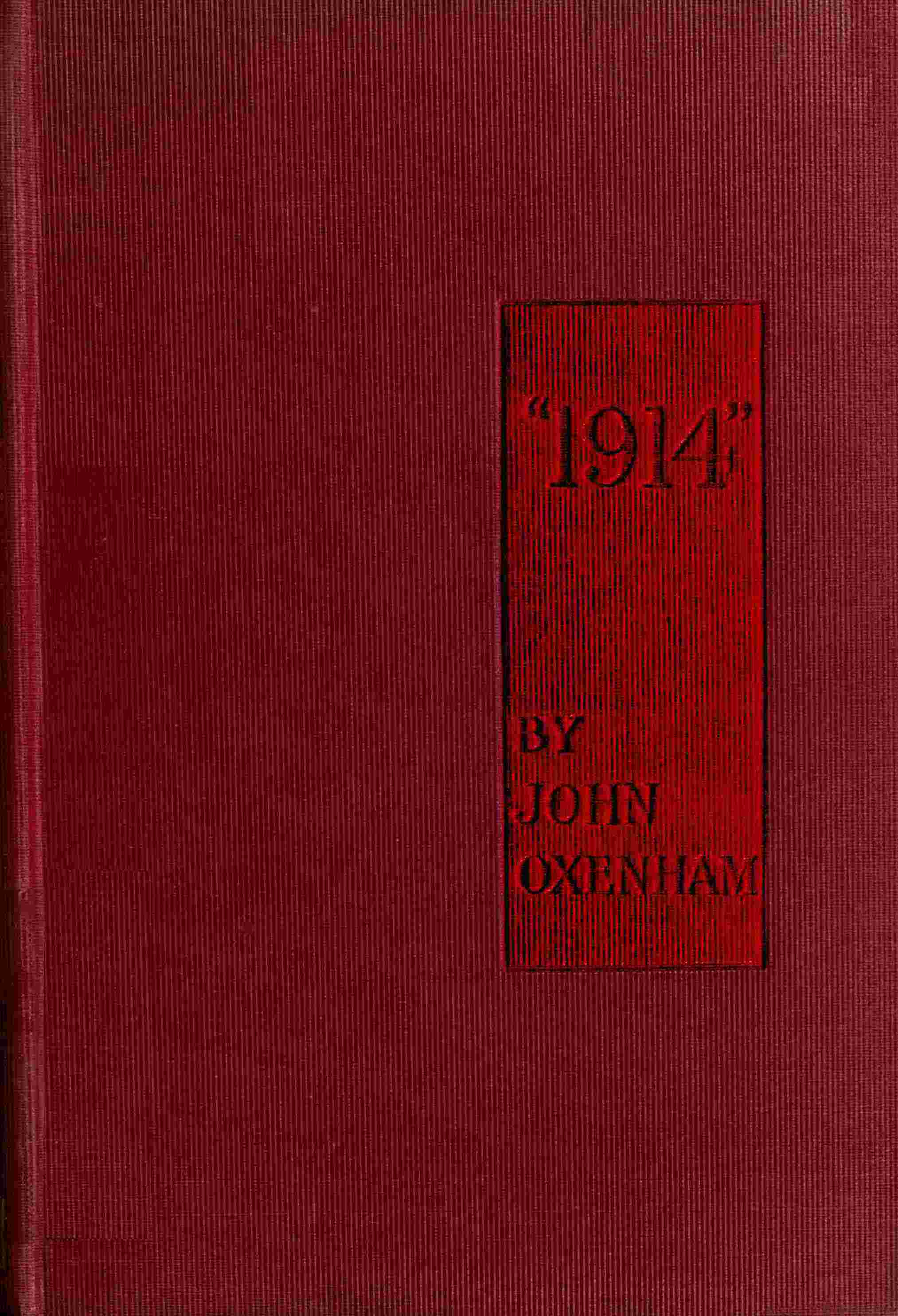 "1914"
by John Oxenham
"1914"
by John Oxenham
 "All's Well"; or, Alice's Victory
by Emily Sarah Holt
"All's Well"; or, Alice's Victory
by Emily Sarah Holt
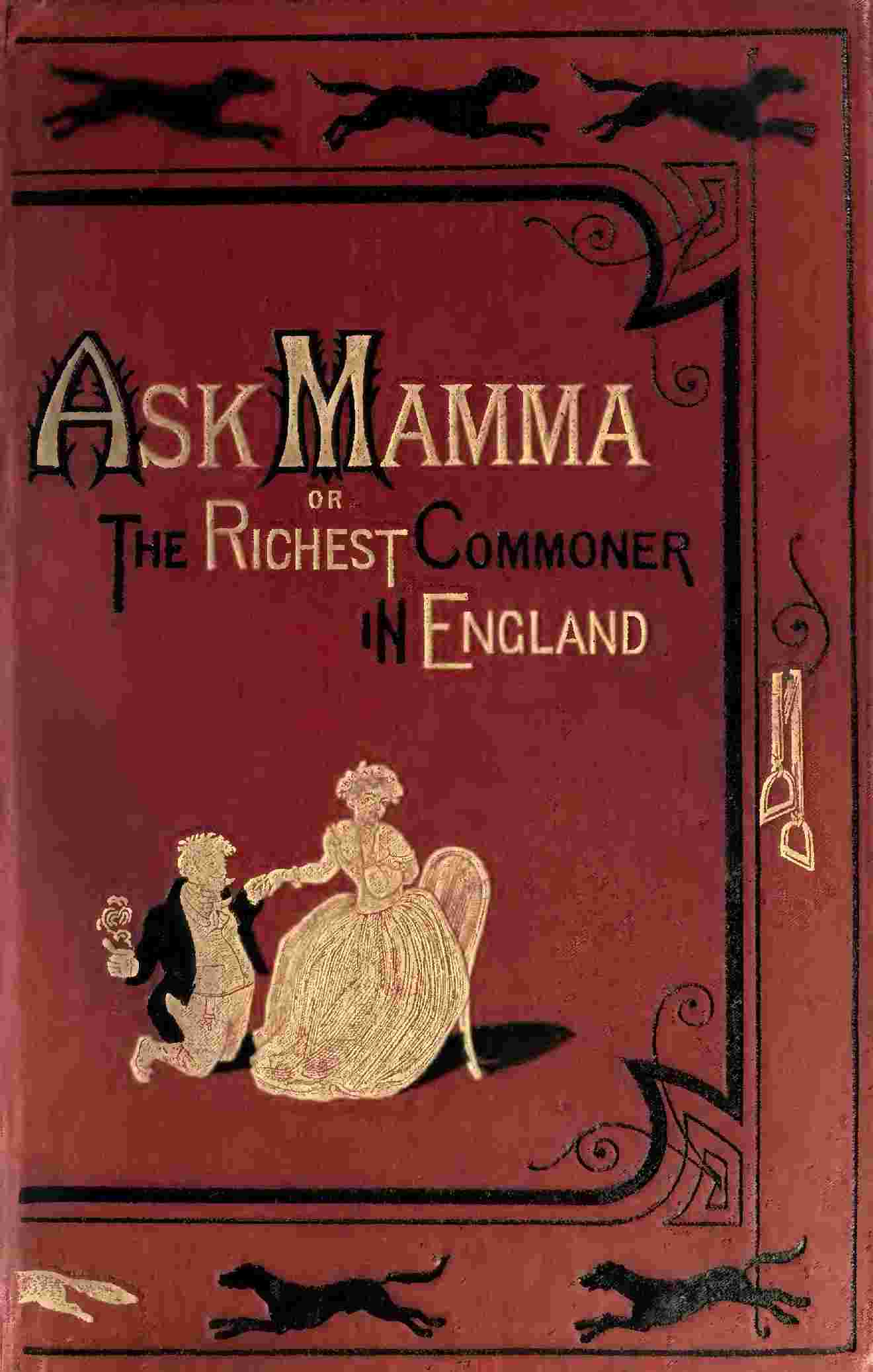 "Ask Mamma"; or, The Richest Commoner In England
by Robert Smith Surtees
"Ask Mamma"; or, The Richest Commoner In England
by Robert Smith Surtees
 "Bones": Being Further Adventures in Mr. Commissioner Sanders' Country
by Edgar Wallace
"Bones": Being Further Adventures in Mr. Commissioner Sanders' Country
by Edgar Wallace
 "Captains Courageous": A Story of the Grand Banks
by Rudyard Kipling
"Captains Courageous": A Story of the Grand Banks
by Rudyard Kipling
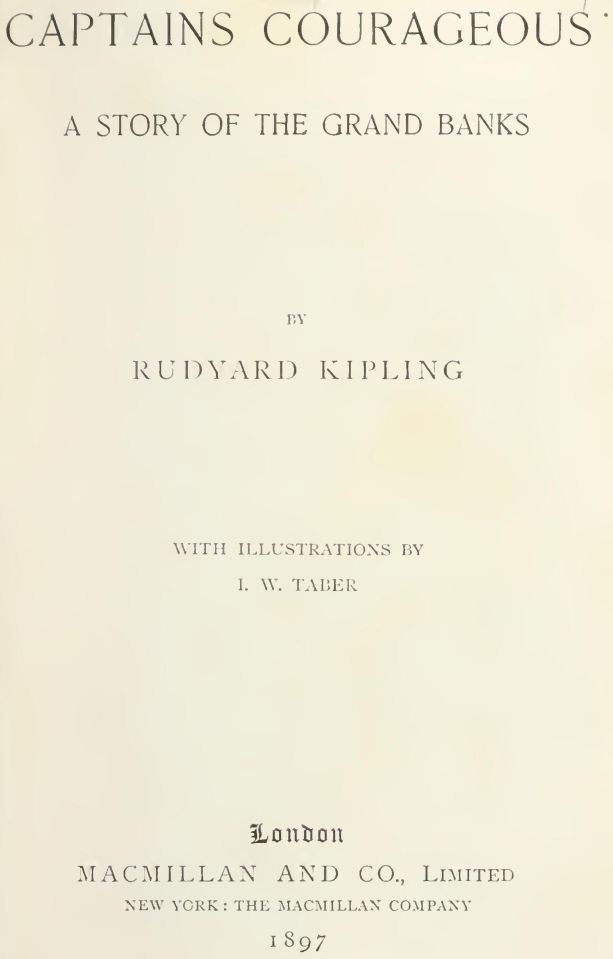 "Captains Courageous": A Story of the Grand Banks
by Rudyard Kipling
"Captains Courageous": A Story of the Grand Banks
by Rudyard Kipling