
About This Book
The author argues that slavery has no legitimate constitutional or legal basis, grounding his case in natural law and in the charter, statutory, and common-law traditions that shaped American institutions. He defines law, surveys colonial charters and English precedents, and interprets the Declaration, state constitutions, the Articles of Confederation, and the federal Constitution to show inconsistency between slavery and fundamental legal principles. He examines the intentions and practice of the framers and the contemporary public understanding, reviews later state constitutions, and concludes that legal instruments did not create a lawful property right in persons and that children of enslaved parents are born free.
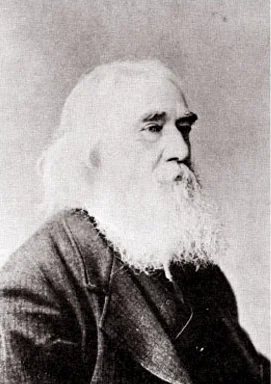
About the Author
More Books by This Author
5 picks
 A Letter to Grover Cleveland / On His False Inaugural Address, The Usurpations and Crimes of Lawmakers and Judges, and the Consequent Poverty, Ignorance, and Servitude Of The People
by Lysander Spooner
A Letter to Grover Cleveland / On His False Inaugural Address, The Usurpations and Crimes of Lawmakers and Judges, and the Consequent Poverty, Ignorance, and Servitude Of The People
by Lysander Spooner
 A Letter to Thomas F. Bayard
by Lysander Spooner
A Letter to Thomas F. Bayard
by Lysander Spooner
 A New Banking System / The Needful Capital for Rebuilding the Burnt District
by Lysander Spooner
A New Banking System / The Needful Capital for Rebuilding the Burnt District
by Lysander Spooner
 An Essay on the Trial by Jury
by Lysander Spooner
An Essay on the Trial by Jury
by Lysander Spooner
 No Treason, Vol. VI.: The Constitution of No Authority
by Lysander Spooner
No Treason, Vol. VI.: The Constitution of No Authority
by Lysander Spooner
You May Also Like
6 picks
 Cicero's Brutus or History of Famous Orators; also His Orator, or Accomplished Speaker.
by Marcus Tullius Cicero
Cicero's Brutus or History of Famous Orators; also His Orator, or Accomplished Speaker.
by Marcus Tullius Cicero
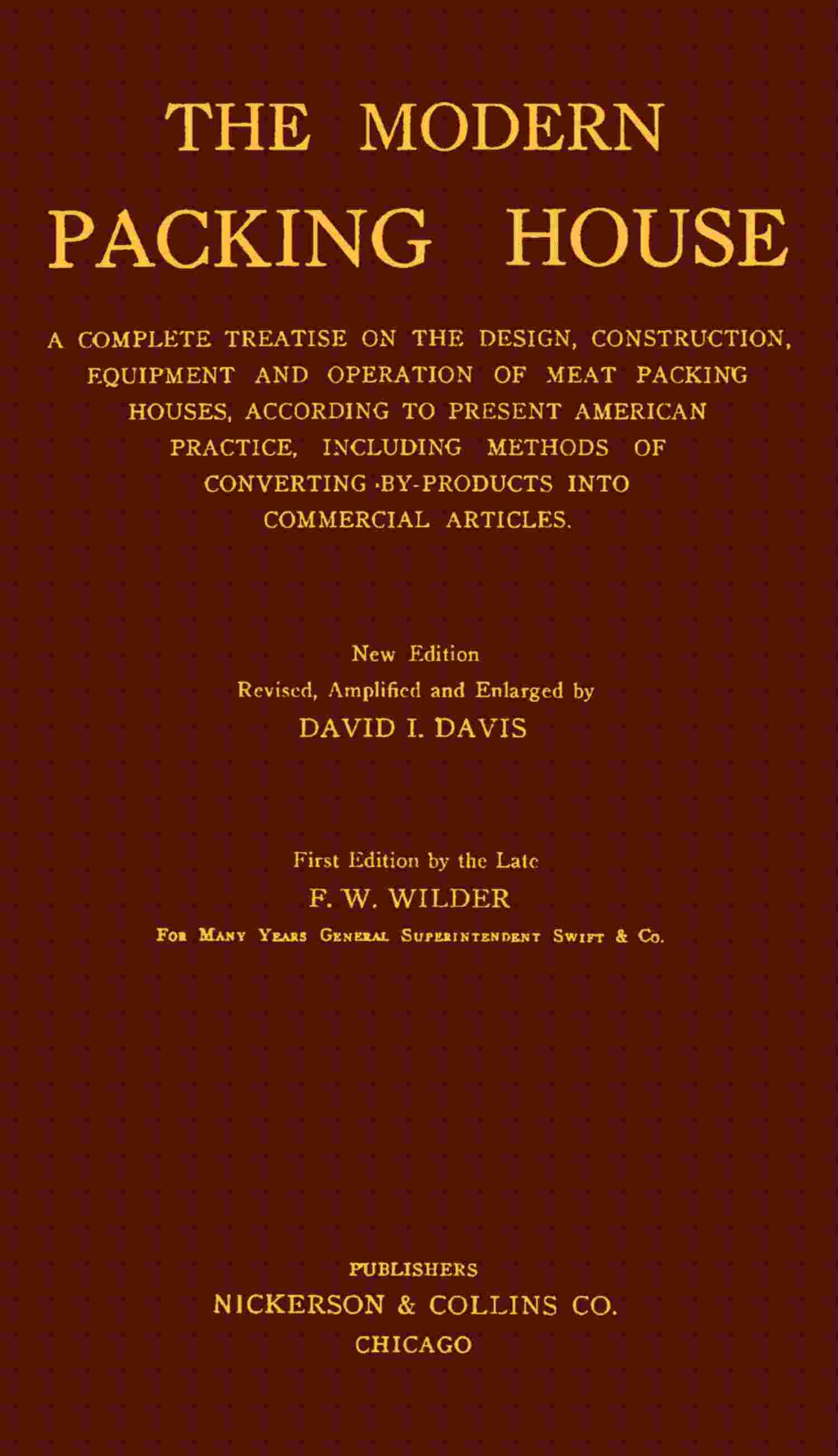 The modern packing house
by F. W. Wilder
The modern packing house
by F. W. Wilder
 Five Lectures on Reincarnation
by Swami Abhedananda
Five Lectures on Reincarnation
by Swami Abhedananda
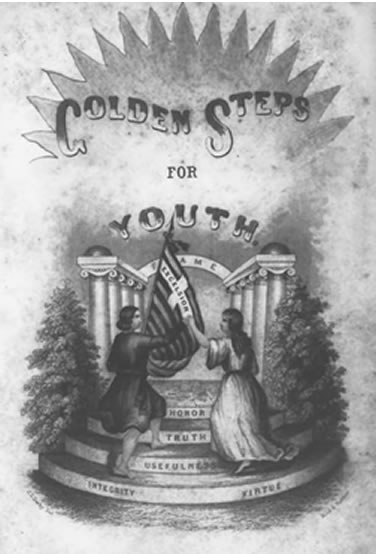 Golden Steps to Respectability, Usefulness and Happiness / Being a Series of Lectures to Youth of Both Sexes, on Character, Principles, Associates, Amusements, Religion, and Marriage
by John Mather Austin
Golden Steps to Respectability, Usefulness and Happiness / Being a Series of Lectures to Youth of Both Sexes, on Character, Principles, Associates, Amusements, Religion, and Marriage
by John Mather Austin
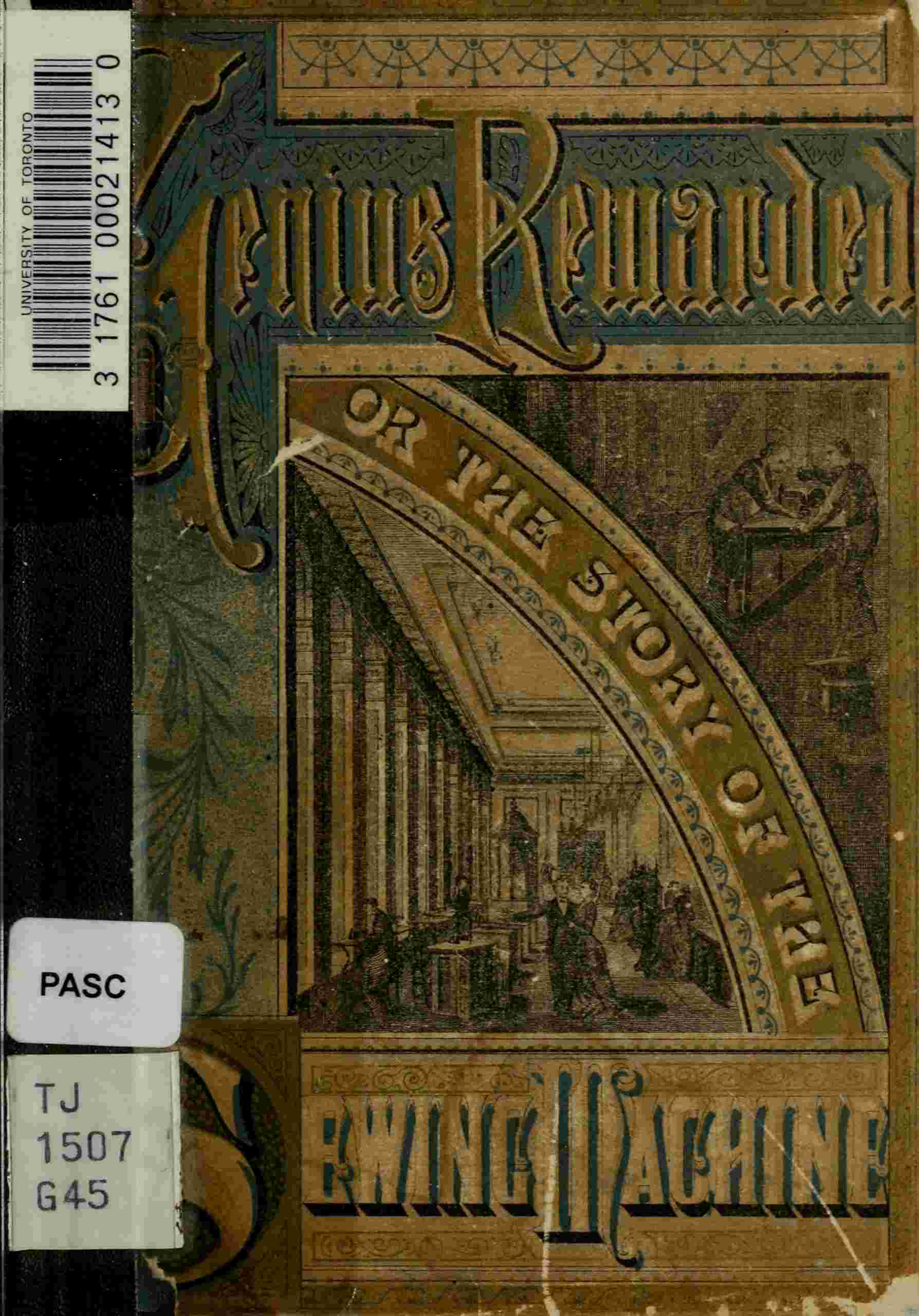 Genius rewarded
by John Scott
Genius rewarded
by John Scott
 New Ideals in Rural Schools
by George Herbert Betts
New Ideals in Rural Schools
by George Herbert Betts