About This Book
The author contends that the Constitution possesses no inherent binding authority because it was a contract among past individuals who could not obligate their descendants. He examines the document's language, the legal nature of corporations, and historical limits on who actually consented, then analyzes whether subsequent practices—voting and tax payment—constitute valid consent. Treating consent as personal and voluntary, the essay concludes that neither original adoption nor ordinary civic acts can create an unconditional, perpetual obligation, and that claims of collective authority and attendant oaths therefore lack a valid contractual foundation.
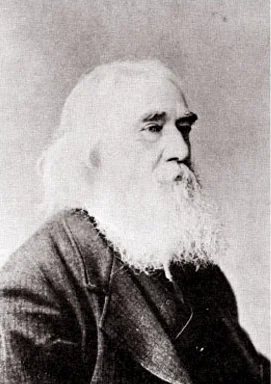
About the Author
More Books by This Author
5 picks
 A Letter to Grover Cleveland / On His False Inaugural Address, The Usurpations and Crimes of Lawmakers and Judges, and the Consequent Poverty, Ignorance, and Servitude Of The People
by Lysander Spooner
A Letter to Grover Cleveland / On His False Inaugural Address, The Usurpations and Crimes of Lawmakers and Judges, and the Consequent Poverty, Ignorance, and Servitude Of The People
by Lysander Spooner
 A Letter to Thomas F. Bayard
by Lysander Spooner
A Letter to Thomas F. Bayard
by Lysander Spooner
 A New Banking System / The Needful Capital for Rebuilding the Burnt District
by Lysander Spooner
A New Banking System / The Needful Capital for Rebuilding the Burnt District
by Lysander Spooner
 An Essay on the Trial by Jury
by Lysander Spooner
An Essay on the Trial by Jury
by Lysander Spooner
 The Unconstitutionality of Slavery
by Lysander Spooner
The Unconstitutionality of Slavery
by Lysander Spooner
You May Also Like
6 picks