
About This Book
The writer contests the legitimacy of congressional lawmaking, arguing that no individual can legitimately transfer a right of arbitrary dominion over themselves or others and that secret voting and constitutional protections make representatives unidentifiable and legally irresponsible. He maintains that legislators therefore exercise personal usurpation rather than delegated authority, producing laws distinct from natural justice and compelling obedience by force while the populace lacks informed consent. The letter presents legal and moral objections to representative legislative power and warns that such arrangements violate natural rights and convert government into arbitrary domination.
About the Author
More Books by This Author
5 picks
 A Letter to Grover Cleveland / On His False Inaugural Address, The Usurpations and Crimes of Lawmakers and Judges, and the Consequent Poverty, Ignorance, and Servitude Of The People
by Lysander Spooner
A Letter to Grover Cleveland / On His False Inaugural Address, The Usurpations and Crimes of Lawmakers and Judges, and the Consequent Poverty, Ignorance, and Servitude Of The People
by Lysander Spooner
 A New Banking System / The Needful Capital for Rebuilding the Burnt District
by Lysander Spooner
A New Banking System / The Needful Capital for Rebuilding the Burnt District
by Lysander Spooner
 An Essay on the Trial by Jury
by Lysander Spooner
An Essay on the Trial by Jury
by Lysander Spooner
 No Treason, Vol. VI.: The Constitution of No Authority
by Lysander Spooner
No Treason, Vol. VI.: The Constitution of No Authority
by Lysander Spooner
 The Unconstitutionality of Slavery
by Lysander Spooner
The Unconstitutionality of Slavery
by Lysander Spooner
You May Also Like
6 picks
 Thought-Forms
by Annie Besant
Thought-Forms
by Annie Besant
 Vivisection
by Albert Leffingwell
Vivisection
by Albert Leffingwell
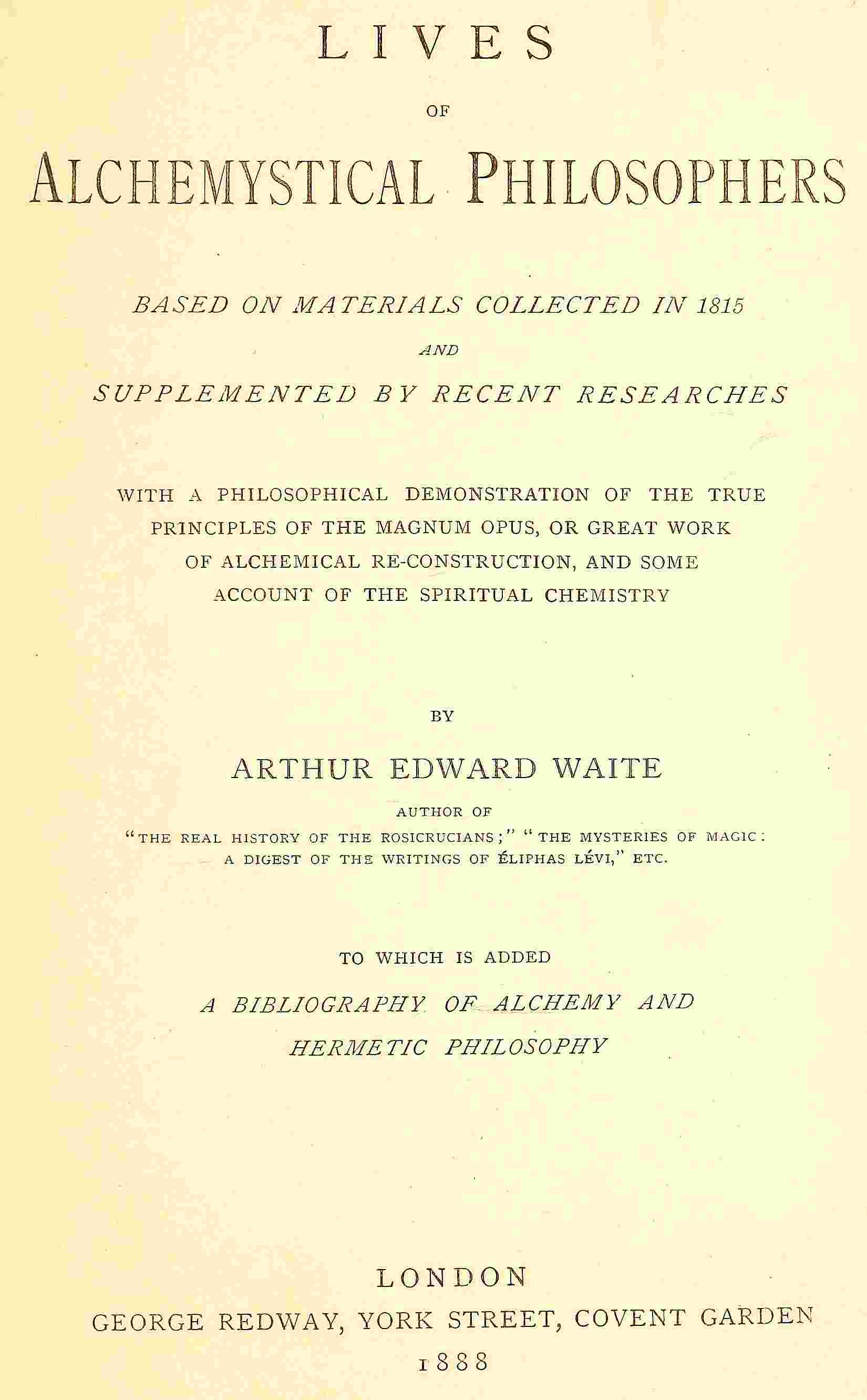 Lives of alchemystical philosophers / To which is added a bibliography of alchemy and hermetic philosophy
by Arthur Edward Waite
Lives of alchemystical philosophers / To which is added a bibliography of alchemy and hermetic philosophy
by Arthur Edward Waite
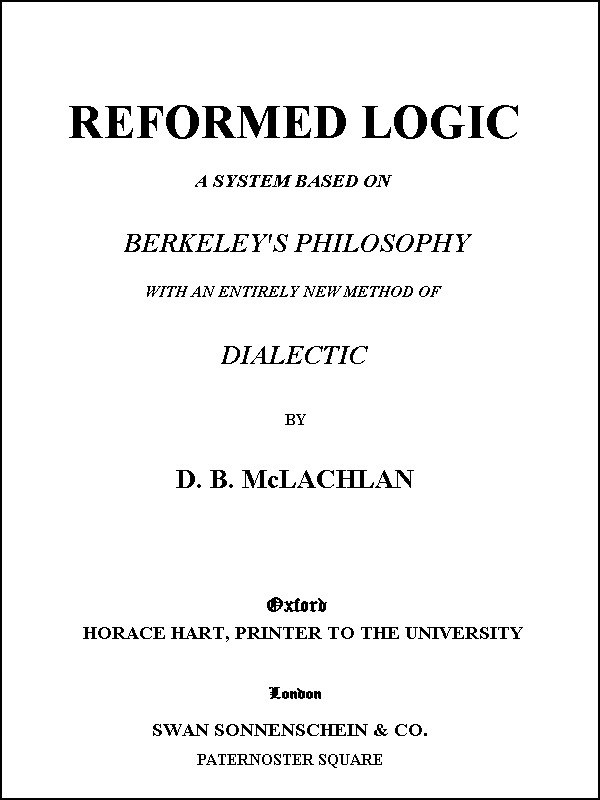 Reformed Logic / A System Based on Berkeley's Philosophy with an Entirely New Method of Dialectic
by D. B. McLachlan
Reformed Logic / A System Based on Berkeley's Philosophy with an Entirely New Method of Dialectic
by D. B. McLachlan
 The Darwinian Hypothesis
by Thomas Henry Huxley
The Darwinian Hypothesis
by Thomas Henry Huxley
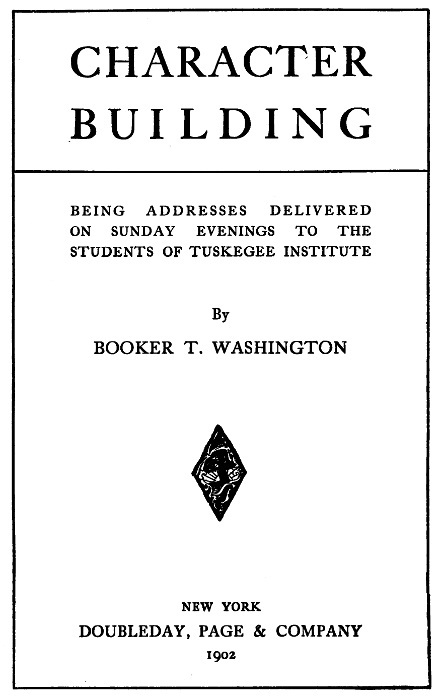 Character Building / Being Addresses Delivered on Sunday Evenings to the Students of Tuskegee Institute
by Booker T. Washington
Character Building / Being Addresses Delivered on Sunday Evenings to the Students of Tuskegee Institute
by Booker T. Washington