

About This Book
The narrative alternates first-person accounts that follow a young man's courtship and the complications that divide two lovers, including family secrets, rival claims, and financial and legal entanglements. Scenes move between rural cottages, London society, hospitals, and voyages, and incorporate spiritualist imagery and prophetic intimations that shape characters' choices. Medical opinions, pride, and misunderstandings repeatedly derail plans, while letters, unexpected arrivals, and social obstacles escalate the stakes. A later shift to the wife's voice revisits events from an alternative perspective and brings the intertwined strands of love, obligation, and fate to a final reckoning.
About the Author
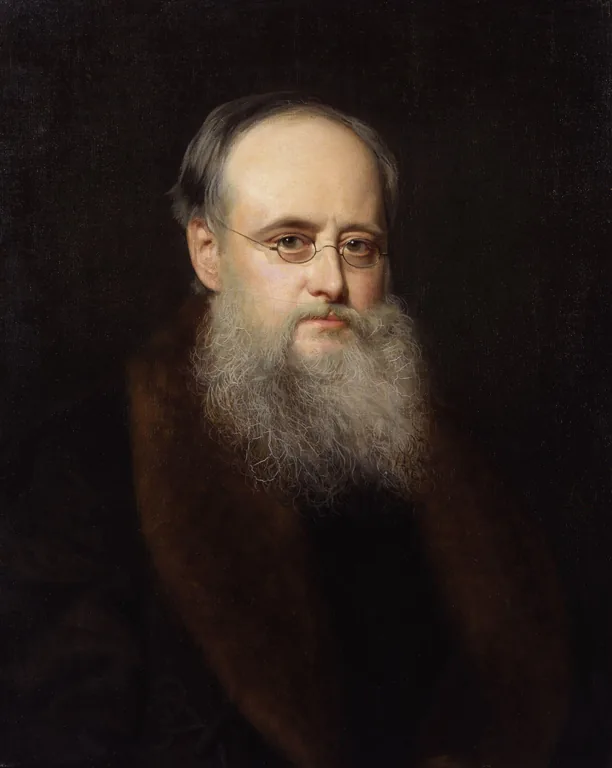
More Books by This Author
6 picks





You May Also Like
6 picks
 Kate Carnegie and Those Ministers
by Ian Maclaren
Kate Carnegie and Those Ministers
by Ian Maclaren
 "All's Well"; or, Alice's Victory
by Emily Sarah Holt
"All's Well"; or, Alice's Victory
by Emily Sarah Holt
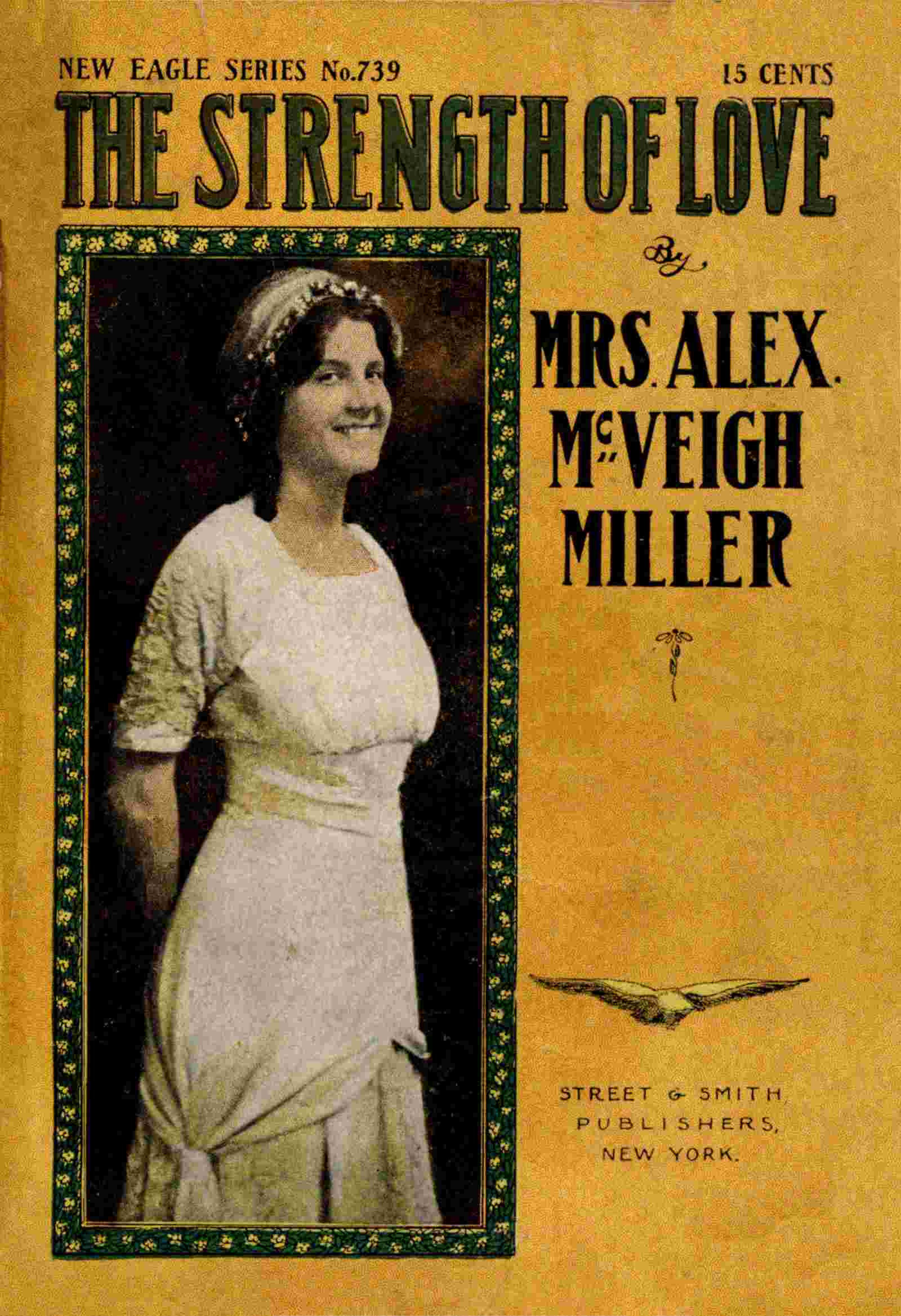 The strength of love
by Mrs. Alex. McVeigh Miller
The strength of love
by Mrs. Alex. McVeigh Miller
 Little Travels and Roadside Sketches
by William Makepeace Thackeray
Little Travels and Roadside Sketches
by William Makepeace Thackeray
 Wau-nan-gee; Or, the Massacre at Chicago: A Romance of the American Revolution
by Major Richardson
Wau-nan-gee; Or, the Massacre at Chicago: A Romance of the American Revolution
by Major Richardson
 Stories of Robin Hood
by Bertha E. Bush
Stories of Robin Hood
by Bertha E. Bush