

About This Book
Two linked manuscripts narrated by a contemporary writer present the life and conversion of a stage actress who ultimately becomes a Carmelite nun. One memoir sketches her public career, noting theatrical talent, versifying, miniature painting, formidable physical strength, a lively temperament, numerous admirers, and a deep attachment to a fellow actor. The companion account is her own narrative of moral change, detailing the inward process by which she turns away from her former life, confronts sin, and embraces penitence and religious devotion, with attention to the personal struggles and reflections that accompany such a spiritual transformation.
About the Author
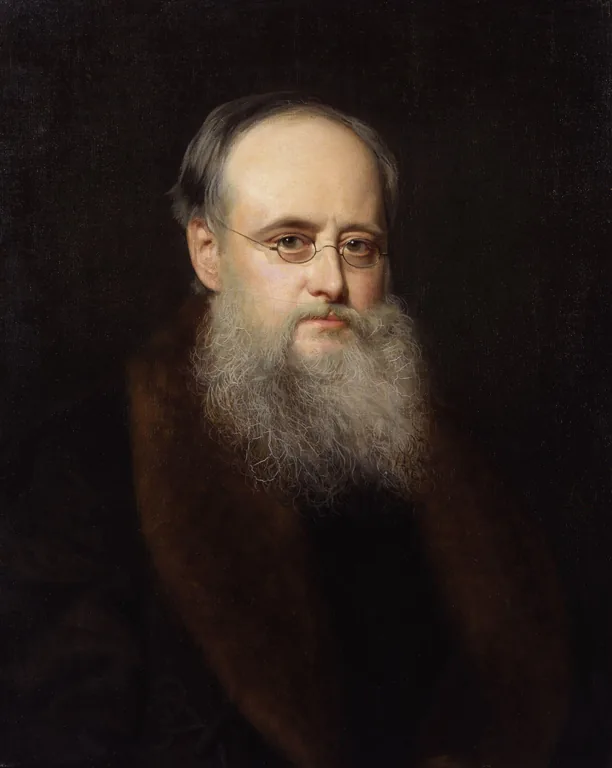
More Books by This Author
6 picks





You May Also Like
6 picks
 The Confidence-Man: His Masquerade
by Herman Melville
The Confidence-Man: His Masquerade
by Herman Melville
 Cornelius O'Dowd Upon Men And Women And Other Things In General
by Charles Lever
Cornelius O'Dowd Upon Men And Women And Other Things In General
by Charles Lever
 Kanamori's life-story
by Paul M. Kanamori
Kanamori's life-story
by Paul M. Kanamori
 The Bible of nature
by Felix L. Oswald
The Bible of nature
by Felix L. Oswald
 Roderick, the last of the Goths
by Robert Southey
Roderick, the last of the Goths
by Robert Southey
 The Kellys and the O'Kellys
by Anthony Trollope
The Kellys and the O'Kellys
by Anthony Trollope