
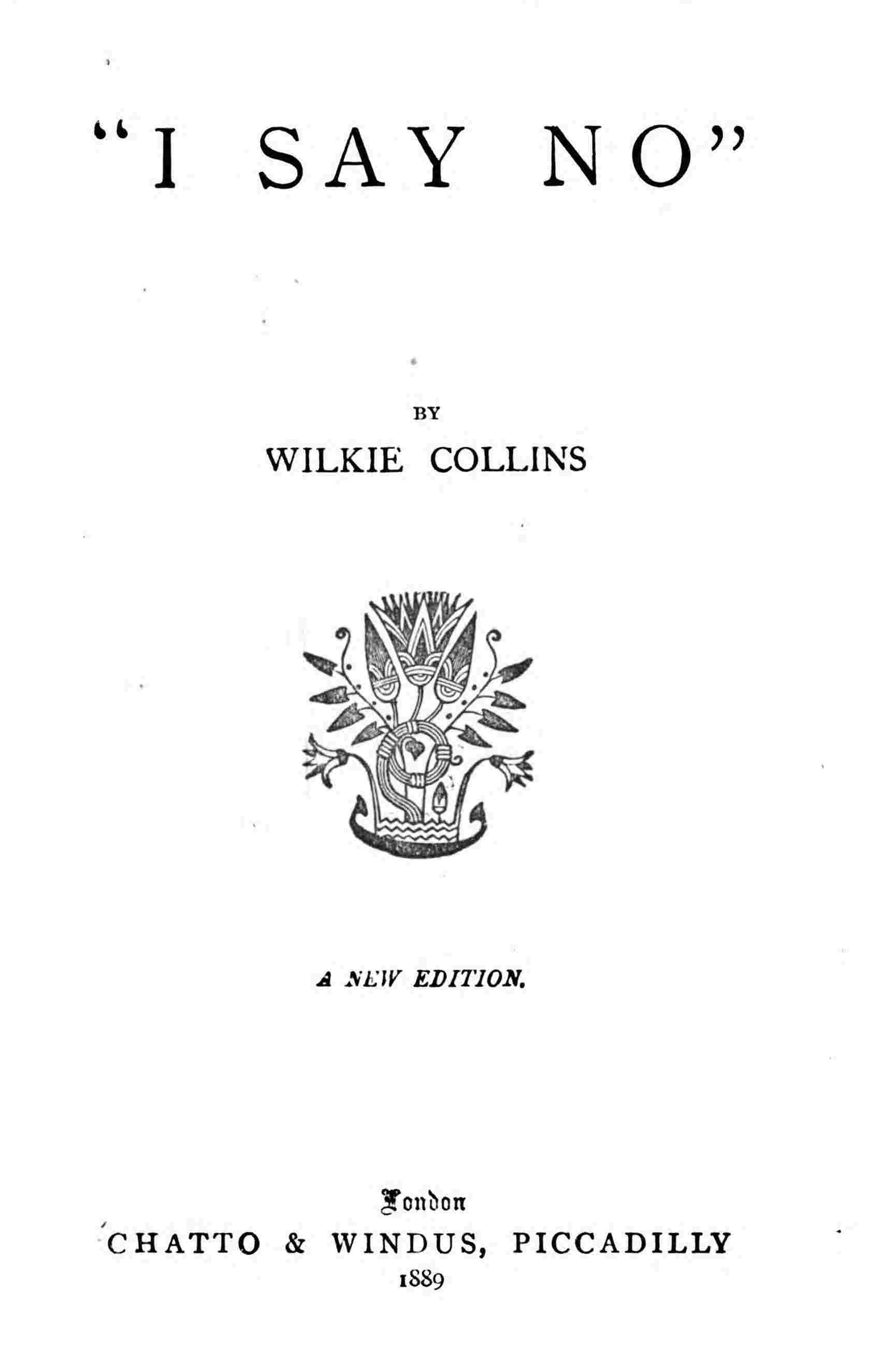
About This Book
The narrative opens in a girls' school where a new pupil observes rivalries and a mysterious new teacher, then follows overlapping storylines in London, a country estate, and a humble cottage as personal secrets and past connections emerge. Through incidents small and dramatic—discoveries in drawers, a missing locket, an accident, and contested testimony—characters pursue explanations and defend reputations while confidences, confessions, and narrative retellings gradually reveal hidden motives. The plot resolves through reconciliations, explanatory narratives by key figures, and the restoration of domestic order, with recurring themes of identity, trust, and the social consequences of secrecy.
About the Author
More Books by This Author
6 picks






You May Also Like
6 picks
 The Lancashire Witches: A Romance of Pendle Forest
by William Harrison Ainsworth
The Lancashire Witches: A Romance of Pendle Forest
by William Harrison Ainsworth
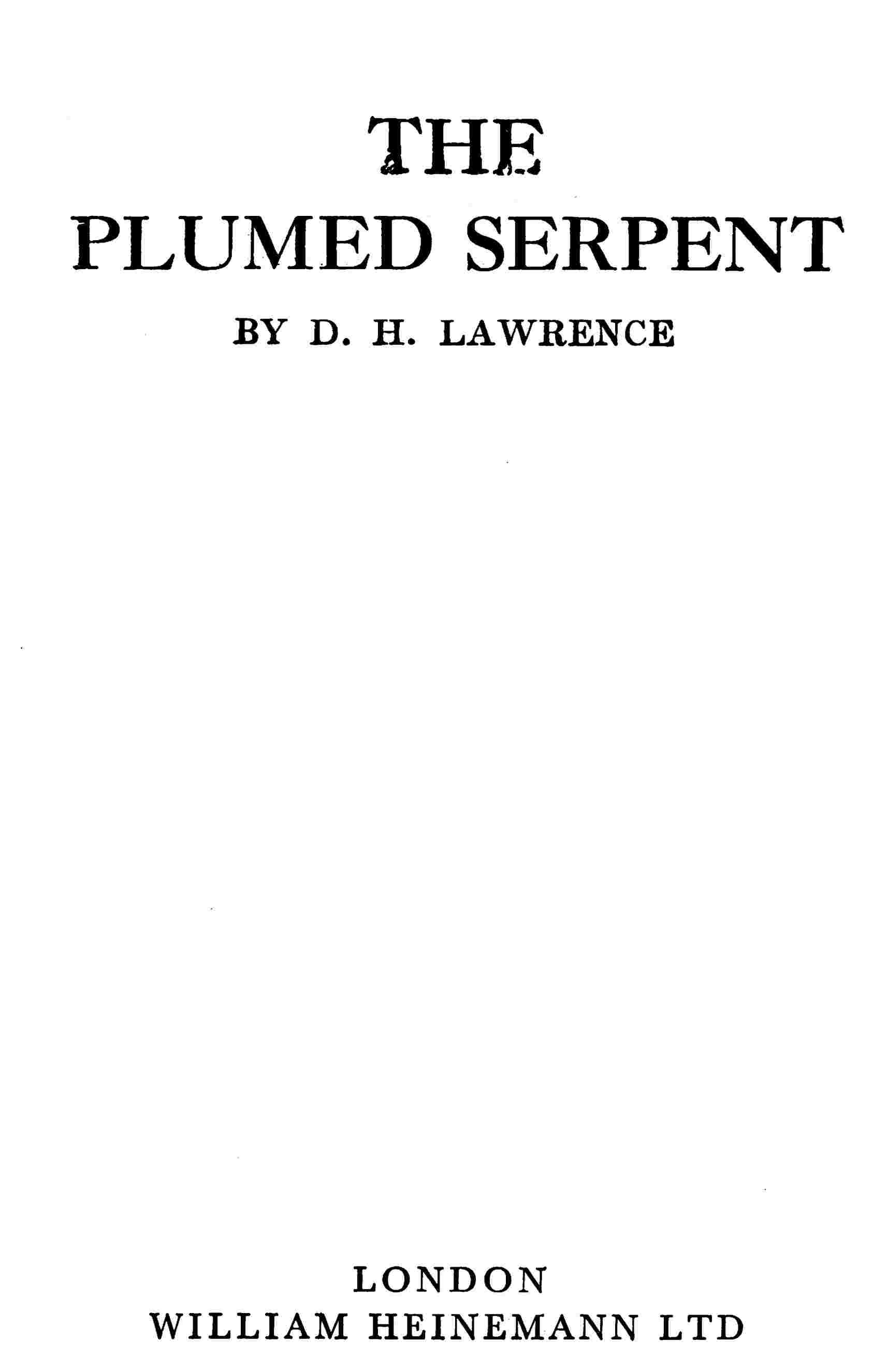 The Plumed Serpent
by D. H. Lawrence
The Plumed Serpent
by D. H. Lawrence
 The Ocean Cat's Paw: The Story of a Strange Cruise
by George Manville Fenn
The Ocean Cat's Paw: The Story of a Strange Cruise
by George Manville Fenn
 Index of the Project Gutenberg works of Robert Louis Stevenson
by Robert Louis Stevenson
Index of the Project Gutenberg works of Robert Louis Stevenson
by Robert Louis Stevenson
 Crime and Punishment
by Fyodor Dostoyevsky
Crime and Punishment
by Fyodor Dostoyevsky
 Aletta: A Tale of the Boer Invasion
by Bertram Mitford
Aletta: A Tale of the Boer Invasion
by Bertram Mitford