WeRead Powered by ReaderPub
Antonina; Or, The Fall of Rome cover

Antonina; Or, The Fall of Rome

The narrative follows fictional protagonists whose lives are swept up in the Gothic invasions and the siege of Rome, weaving personal dramas—romantic entanglements, rivalries, and acts of vengeance—into faithfully reconstructed military and civic events. Action shifts from mountain encampments and suburban houses to city temples and churches, depicting famine, blockades, and tensions between pagan ritual and emerging Christian authority. Historical personages and documented incidents appear only where records allow, while invented characters embody the era's social and moral strains, driving a plot that traces the human costs of war and the collapse of traditional orders.

About This Book

The narrative follows fictional protagonists whose lives are swept up in the Gothic invasions and the siege of Rome, weaving personal dramas—romantic entanglements, rivalries, and acts of vengeance—into faithfully reconstructed military and civic events. Action shifts from mountain encampments and suburban houses to city temples and churches, depicting famine, blockades, and tensions between pagan ritual and emerging Christian authority. Historical personages and documented incidents appear only where records allow, while invented characters embody the era's social and moral strains, driving a plot that traces the human costs of war and the collapse of traditional orders.

About the Author
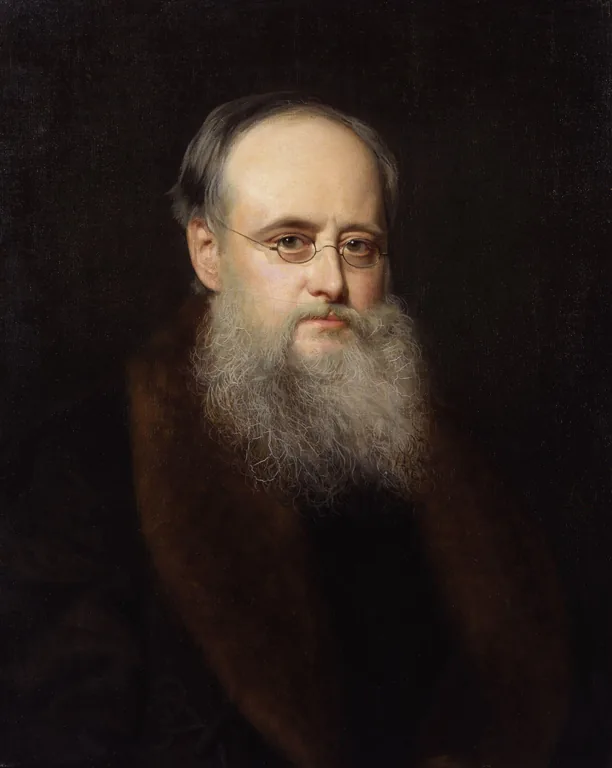
Collins, Wilkie portrait

Wilkie Collins

Wilkie Collins (1824-1889) was an English novelist and playwright, renowned for his pioneering contributions to the mystery and detective genres. His works often blend elements of suspense, social commentary, and complex characterizations. Collins is best known for his novel "The Woman in White," which is celebrated for its innovative narrative structure and psychological depth. Other notable works include "Armadale," "Basil," and "The Moonstone," the latter often regarded as one of the first detective novels in English literature. His writing reflects the Victorian era's concerns and intricacies, making him a significant figure in the literary heritage of the time.

More Books by This Author

You May Also Like