WeRead Powered by ReaderPub
The New Magdalen cover

The New Magdalen

Set against a wartime ambulance scene, the narrative follows Mercy Merrick, a compassionate woman with a compromised past who cares for the wounded and encounters papers that suggest an opportunity for social protection. Tempted to assume another woman’s place as companion to a benevolent aristocrat, she enters a household where secrets, investigations, and rival interests gradually expose the deception. Events escalate through confrontations, confessions, and legal reckonings that test loyalties and character. The story examines social stigma, charity, hypocrisy, and the fraught pursuit of redemption and a secure identity within a rigid moral society.

About This Book

Set against a wartime ambulance scene, the narrative follows Mercy Merrick, a compassionate woman with a compromised past who cares for the wounded and encounters papers that suggest an opportunity for social protection. Tempted to assume another woman’s place as companion to a benevolent aristocrat, she enters a household where secrets, investigations, and rival interests gradually expose the deception. Events escalate through confrontations, confessions, and legal reckonings that test loyalties and character. The story examines social stigma, charity, hypocrisy, and the fraught pursuit of redemption and a secure identity within a rigid moral society.

About the Author
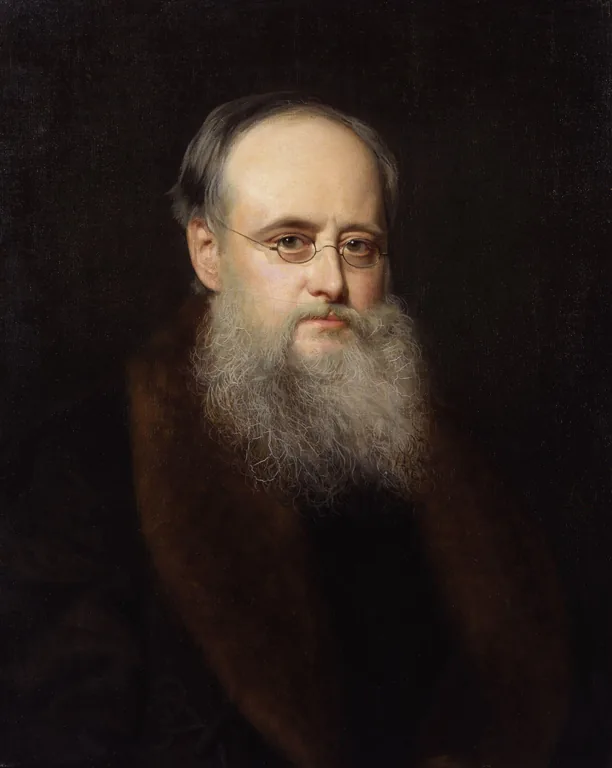
Collins, Wilkie portrait

Wilkie Collins

Wilkie Collins (1824-1889) was an English novelist and playwright, renowned for his pioneering contributions to the mystery and detective genres. His works often blend elements of suspense, social commentary, and complex characterizations. Collins is best known for his novel "The Woman in White," which is celebrated for its innovative narrative structure and psychological depth. Other notable works include "Armadale," "Basil," and "The Moonstone," the latter often regarded as one of the first detective novels in English literature. His writing reflects the Victorian era's concerns and intricacies, making him a significant figure in the literary heritage of the time.

More Books by This Author

You May Also Like