
WeRead Powered by ReaderPub
The Legacy of Cain cover

The Legacy of Cain

The narrative begins in a prison where the governor relates the circumstances of a condemned woman and her dependent child, then shifts into alternating diaries kept by two young women that trace their upbringing, friendships, and the resurfacing of a long-buried crime. Layered revelations about parentage, inherited character, and social prejudice propel a mystery that unfolds through private entries, legal confrontations, and investigative episodes. Medical, moral, and legal opinions complicate attempts to define guilt, while secrets revealed in the final sections lead to arrest, sentencing, and the eventual uncovering of the facts that resolve the central enigma.

About This Book

The narrative begins in a prison where the governor relates the circumstances of a condemned woman and her dependent child, then shifts into alternating diaries kept by two young women that trace their upbringing, friendships, and the resurfacing of a long-buried crime. Layered revelations about parentage, inherited character, and social prejudice propel a mystery that unfolds through private entries, legal confrontations, and investigative episodes. Medical, moral, and legal opinions complicate attempts to define guilt, while secrets revealed in the final sections lead to arrest, sentencing, and the eventual uncovering of the facts that resolve the central enigma.

About the Author
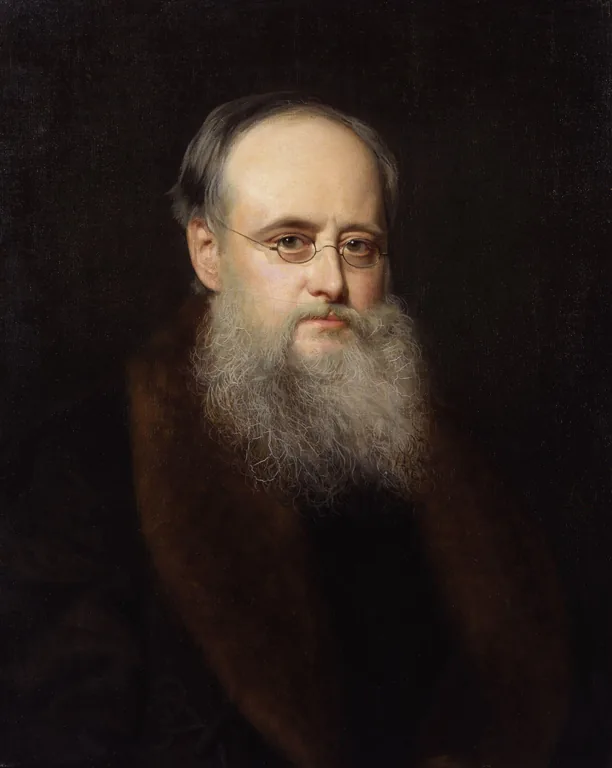
Collins, Wilkie portrait

Wilkie Collins

Wilkie Collins (1824-1889) was an English novelist and playwright, renowned for his pioneering contributions to the mystery and detective genres. His works often blend elements of suspense, social commentary, and complex characterizations. Collins is best known for his novel "The Woman in White," which is celebrated for its innovative narrative structure and psychological depth. Other notable works include "Armadale," "Basil," and "The Moonstone," the latter often regarded as one of the first detective novels in English literature. His writing reflects the Victorian era's concerns and intricacies, making him a significant figure in the literary heritage of the time.

More Books by This Author

You May Also Like