WeRead Powered by ReaderPub
The Law and the Lady cover

The Law and the Lady

A newly married woman finds small humiliations and a mysterious photograph that prompt suspicion about her husband's past; meeting his relatives reveals evasive behavior that leads her to investigate a previously deceased woman's death. She studies legal proceedings, examines evidence, interviews witnesses, and challenges social assumptions and courtroom procedure to uncover motives and hidden testimony. The narrative alternates intimate domestic scenes and procedural inquiry, exploring themes of marriage, reputation, female agency, and the tension between law and personal justice, culminating in the exposure of truth and the couple's attempt at reconciliation.

About This Book

A newly married woman finds small humiliations and a mysterious photograph that prompt suspicion about her husband's past; meeting his relatives reveals evasive behavior that leads her to investigate a previously deceased woman's death. She studies legal proceedings, examines evidence, interviews witnesses, and challenges social assumptions and courtroom procedure to uncover motives and hidden testimony. The narrative alternates intimate domestic scenes and procedural inquiry, exploring themes of marriage, reputation, female agency, and the tension between law and personal justice, culminating in the exposure of truth and the couple's attempt at reconciliation.

About the Author
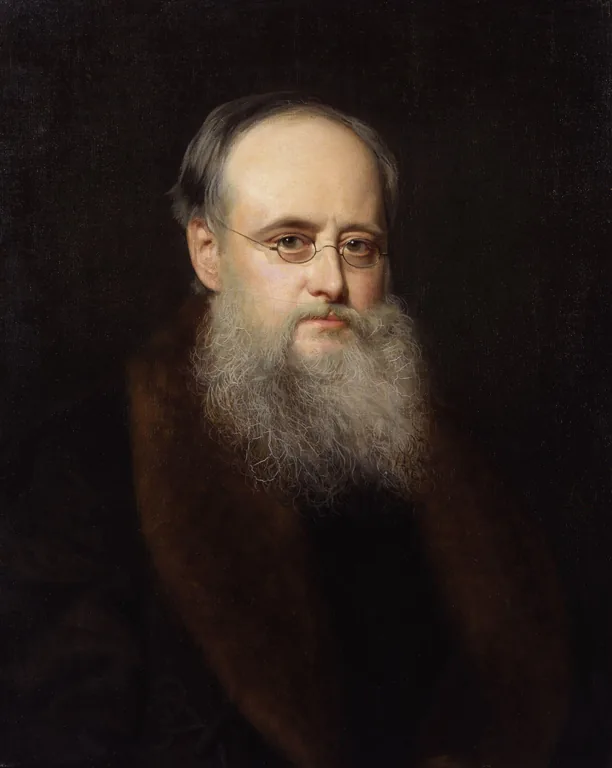
Collins, Wilkie portrait

Wilkie Collins

Wilkie Collins (1824-1889) was an English novelist and playwright, renowned for his pioneering contributions to the mystery and detective genres. His works often blend elements of suspense, social commentary, and complex characterizations. Collins is best known for his novel "The Woman in White," which is celebrated for its innovative narrative structure and psychological depth. Other notable works include "Armadale," "Basil," and "The Moonstone," the latter often regarded as one of the first detective novels in English literature. His writing reflects the Victorian era's concerns and intricacies, making him a significant figure in the literary heritage of the time.

More Books by This Author

You May Also Like