
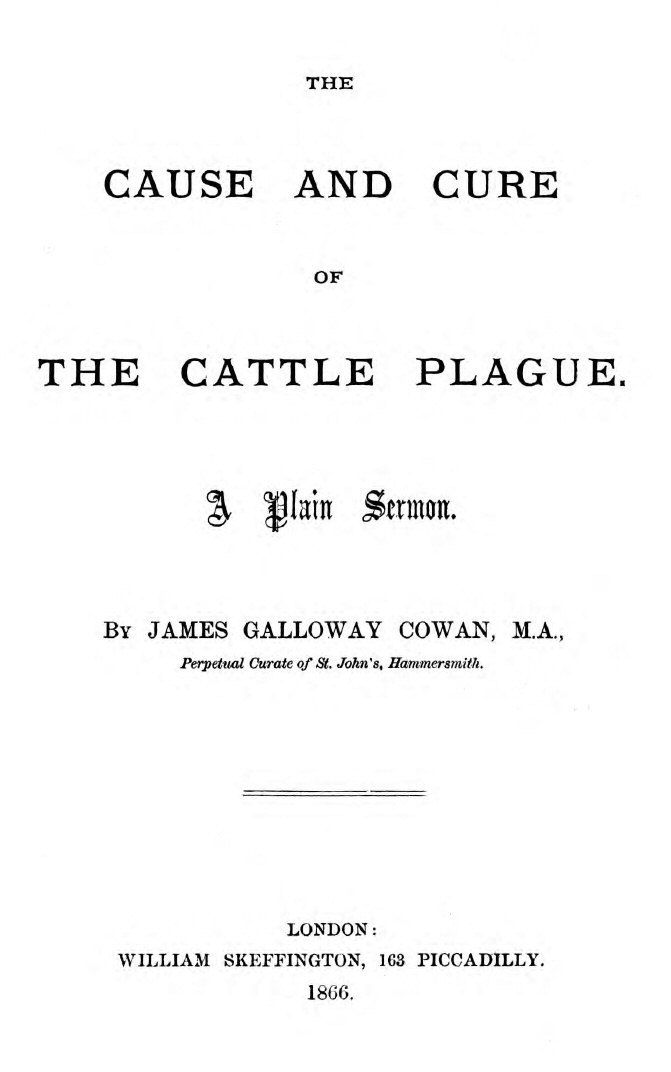
The Cause and Cure of the Cattle Plague: A Plain Sermon
Explore more books like this:
About This Book
The sermon interprets a widespread cattle murrain as an expression of divine governance, asserting that natural laws and elements are ordained by God and may be diverted as judgments to correct wrongdoing and warn communities. It criticizes the tendency to deify nature while ignoring the Creator, and it rebukes observers who attribute calamities solely to secondary causes. The preacher urges combining practical sanitary and scientific measures with spiritual repentance, using scriptural examples to explain how God employs ordinary agents for corrective ends, and calls for moral reformation alongside efforts to prevent and cure the livestock disease.
About the Author

More Books by This Author
5 picks
 "Bear ye one another's burdens." A Plain Sermon on the Lancashire Distress
by James Galloway Cowan
"Bear ye one another's burdens." A Plain Sermon on the Lancashire Distress
by James Galloway Cowan
 "Hear Ye the Rod, and Who Hath Appointed It" / A Sermon for the Fast Day, October 7, 1857
by James Galloway Cowan
"Hear Ye the Rod, and Who Hath Appointed It" / A Sermon for the Fast Day, October 7, 1857
by James Galloway Cowan
 Christian Marriage Indissoluble: A Plain Sermon / Preached at Archbishop Tenison's chapel, on the fifth Sunday after Trinity, 1857
by James Galloway Cowan
Christian Marriage Indissoluble: A Plain Sermon / Preached at Archbishop Tenison's chapel, on the fifth Sunday after Trinity, 1857
by James Galloway Cowan
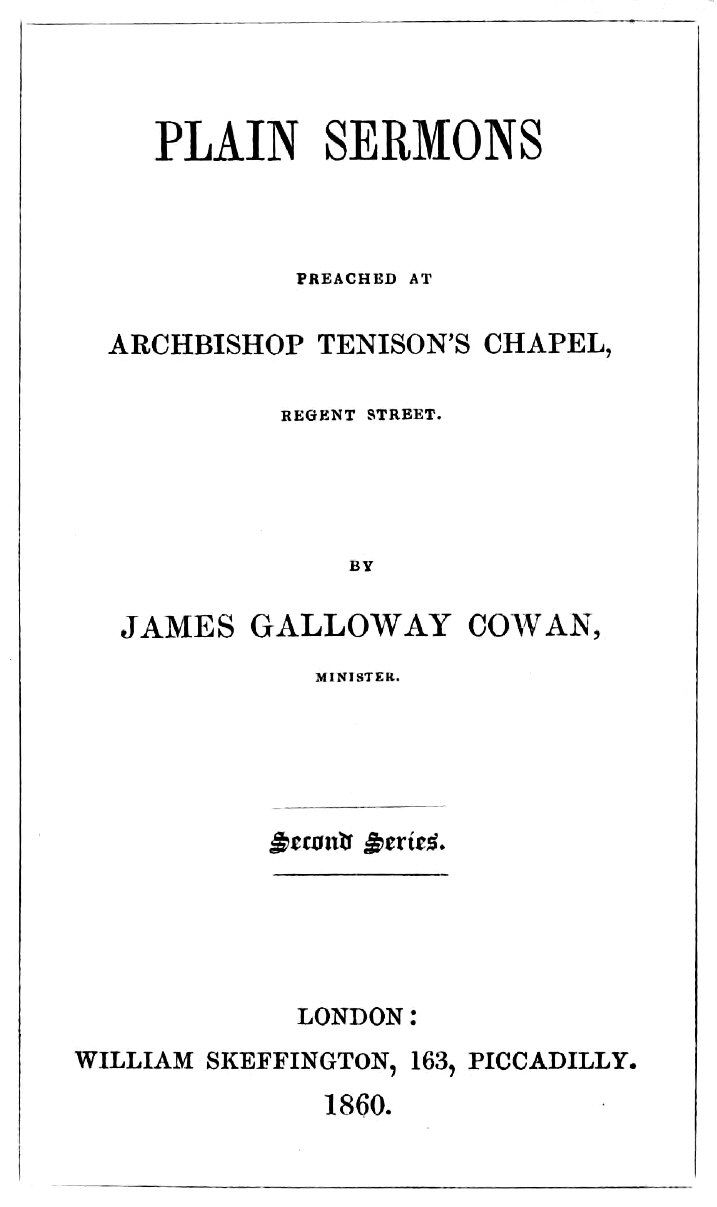 Plain Sermons, preached at Archbishop Tenison's Chapel, Regent Street. Second Series
by James Galloway Cowan
Plain Sermons, preached at Archbishop Tenison's Chapel, Regent Street. Second Series
by James Galloway Cowan
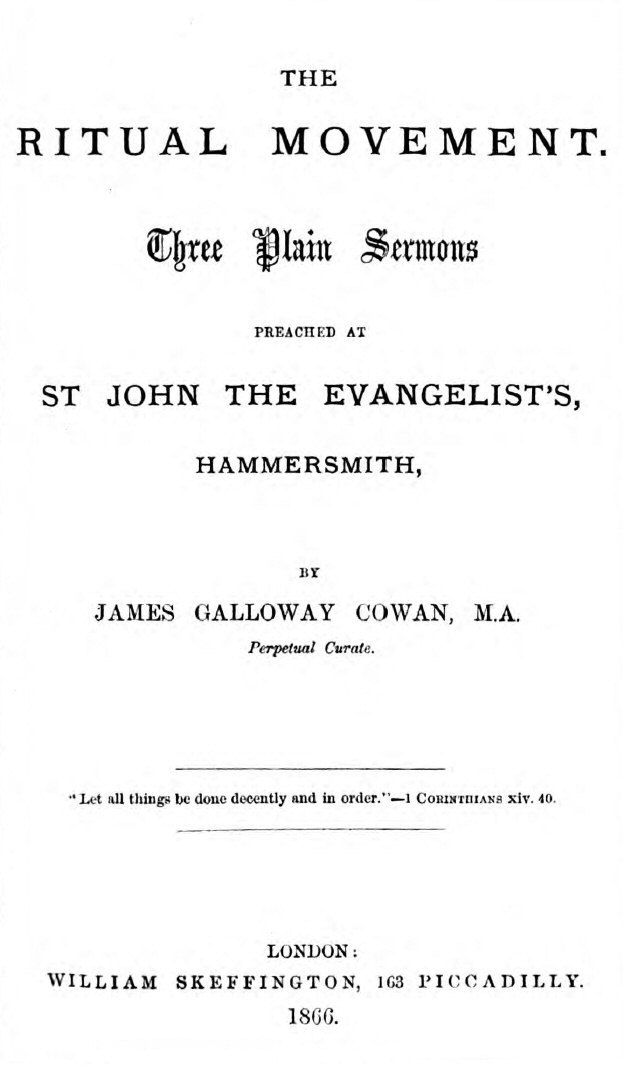 The Ritual Movement / Three plain sermons preached at St. John the Evangelist's, Hammersmith
by James Galloway Cowan
The Ritual Movement / Three plain sermons preached at St. John the Evangelist's, Hammersmith
by James Galloway Cowan
You May Also Like
6 picks
 The Nation Behind Prison Bars
by George L. Herr
The Nation Behind Prison Bars
by George L. Herr
 Théologie hindoue. Le Kama soutra.
by Vatsyayana
Théologie hindoue. Le Kama soutra.
by Vatsyayana
 A Woman's Life-Work — Labors and Experiences of Laura S. Haviland
by Laura S. Haviland
A Woman's Life-Work — Labors and Experiences of Laura S. Haviland
by Laura S. Haviland
 The Life of Buddha and Its Lessons
by Henry Steel Olcott
The Life of Buddha and Its Lessons
by Henry Steel Olcott
 Creation and Its Records / A Brief Statement of Christian Belief with Reference to Modern Facts and Ancient Scripture
by B. H. Baden-Powell
Creation and Its Records / A Brief Statement of Christian Belief with Reference to Modern Facts and Ancient Scripture
by B. H. Baden-Powell
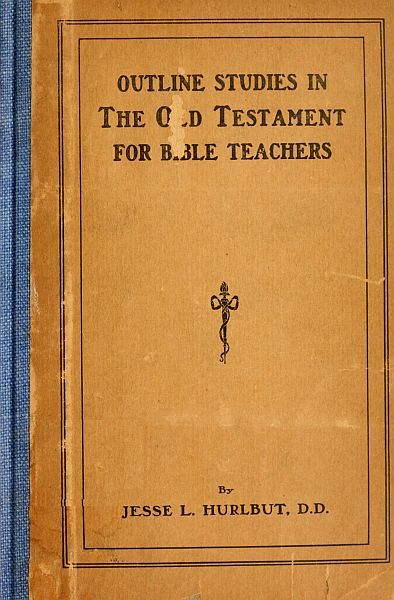 Outline Studies in the Old Testament for Bible Teachers
by Jesse Lyman Hurlbut
Outline Studies in the Old Testament for Bible Teachers
by Jesse Lyman Hurlbut