
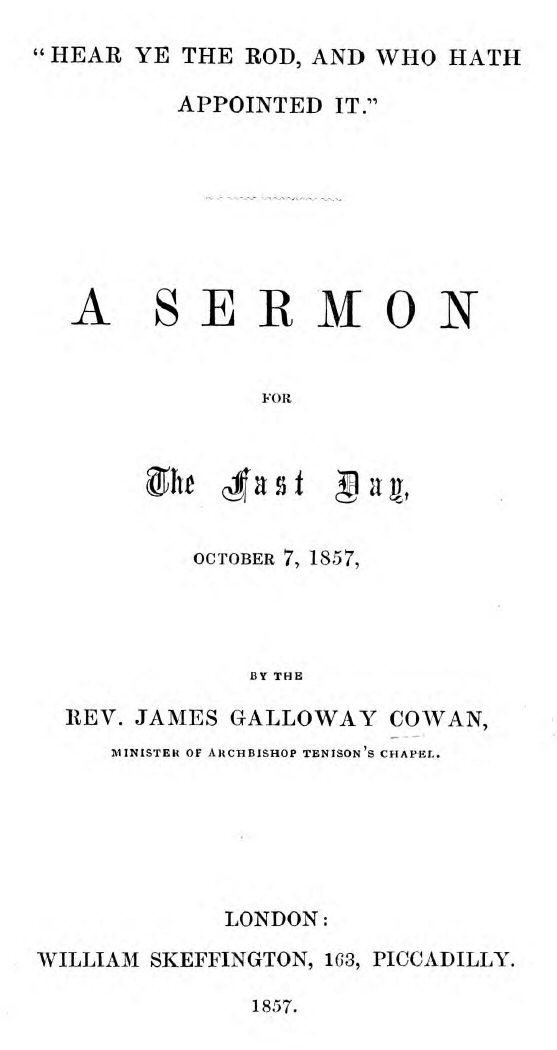
"Hear Ye the Rod, and Who Hath Appointed It" / A Sermon for the Fast Day, October 7, 1857
Explore more books like this:
About This Book
The sermon presents a theology of providence that sees God as morally governing both individuals and nations, using ordinary events and human actions to reward virtue and punish vice. It explains that consequences may be immediate or delayed, cites scriptural precedent to argue that persistent national sin brings calamity, and stresses that a nation blessed with special privileges carries heightened responsibility. National disasters—famine, pestilence, war, and internal disorder—are portrayed as corrective chastisements meant to prompt repentance, with continued neglect risking harsher, ultimately destructive judgment.
About the Author

More Books by This Author
5 picks
 "Bear ye one another's burdens." A Plain Sermon on the Lancashire Distress
by James Galloway Cowan
"Bear ye one another's burdens." A Plain Sermon on the Lancashire Distress
by James Galloway Cowan
 Christian Marriage Indissoluble: A Plain Sermon / Preached at Archbishop Tenison's chapel, on the fifth Sunday after Trinity, 1857
by James Galloway Cowan
Christian Marriage Indissoluble: A Plain Sermon / Preached at Archbishop Tenison's chapel, on the fifth Sunday after Trinity, 1857
by James Galloway Cowan
 Plain Sermons, preached at Archbishop Tenison's Chapel, Regent Street. Second Series
by James Galloway Cowan
Plain Sermons, preached at Archbishop Tenison's Chapel, Regent Street. Second Series
by James Galloway Cowan
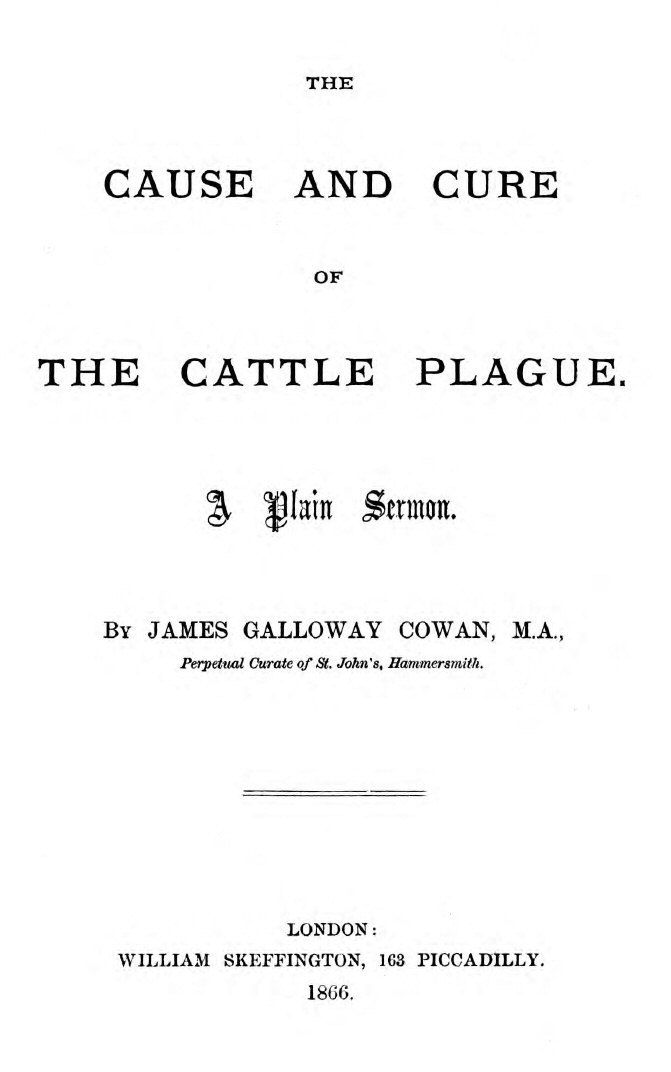 The Cause and Cure of the Cattle Plague: A Plain Sermon
by James Galloway Cowan
The Cause and Cure of the Cattle Plague: A Plain Sermon
by James Galloway Cowan
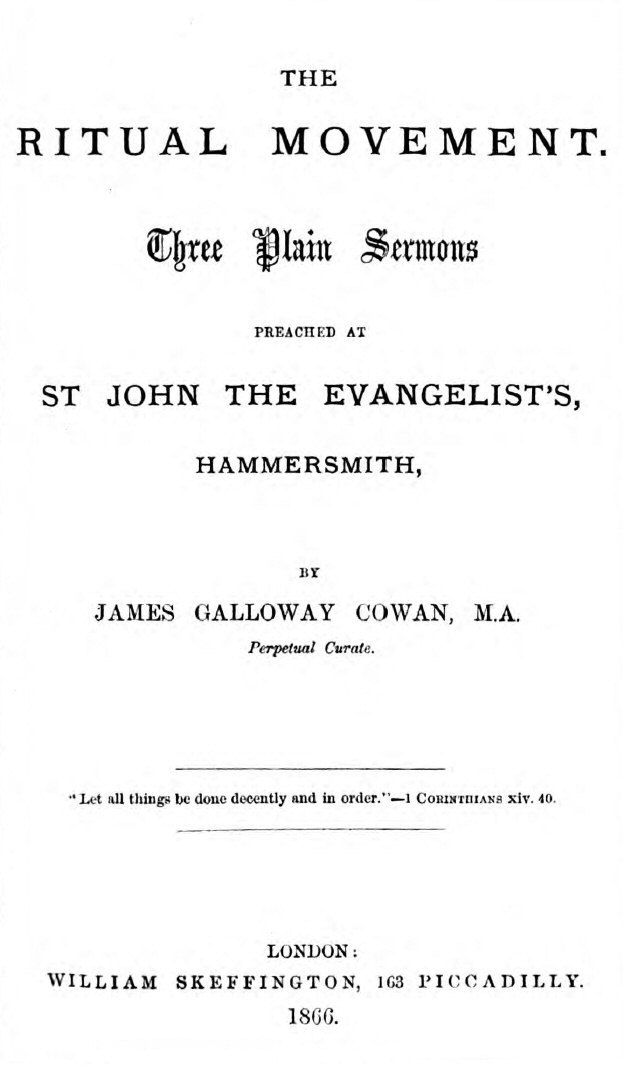 The Ritual Movement / Three plain sermons preached at St. John the Evangelist's, Hammersmith
by James Galloway Cowan
The Ritual Movement / Three plain sermons preached at St. John the Evangelist's, Hammersmith
by James Galloway Cowan
You May Also Like
6 picks
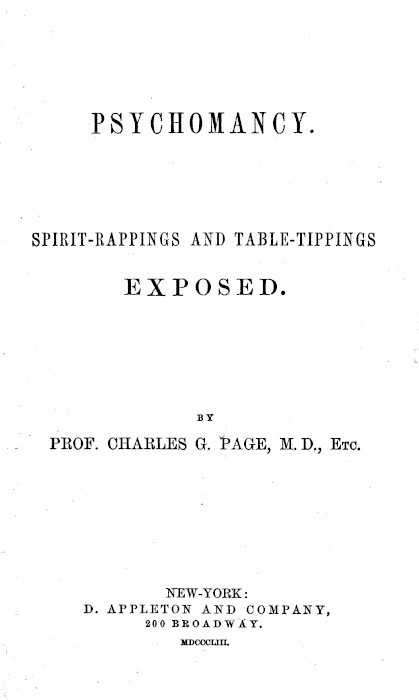 Psychomancy: Spirit-Rappings and Table-Tippings Exposed
by Charles Grafton Page
Psychomancy: Spirit-Rappings and Table-Tippings Exposed
by Charles Grafton Page
 The Other Side of Evolution: Its Effects and Fallacy
by Alexander Patterson
The Other Side of Evolution: Its Effects and Fallacy
by Alexander Patterson
 Robert Hardy's Seven Days: A Dream and Its Consequences
by Charles M. Sheldon
Robert Hardy's Seven Days: A Dream and Its Consequences
by Charles M. Sheldon
 Hymns of the Greek Church / Translated with Introduction and Notes
by John Brownlie
Hymns of the Greek Church / Translated with Introduction and Notes
by John Brownlie
 The Dying Gipsy
by James Crabb
The Dying Gipsy
by James Crabb
 An Exposition of the Last Psalme
by John Boys
An Exposition of the Last Psalme
by John Boys