

About This Book
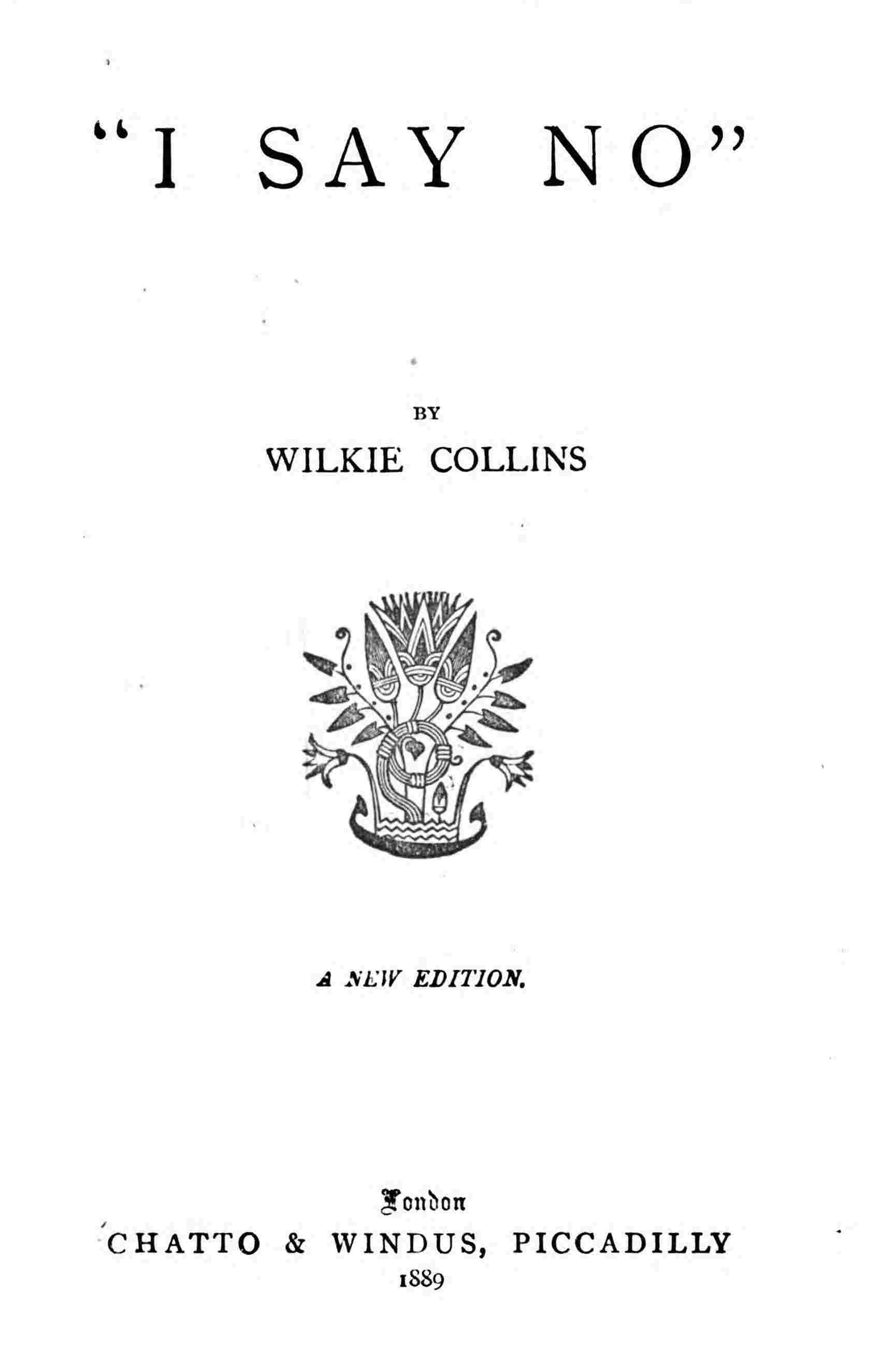
The narrative opens with a fatal duel abroad and follows a young heir who returns to his isolated country seat haunted by guilt and disturbed nights. A string of forewarnings, strange noises, and the theft and discovery of a rector’s papers draws him and a loyal companion into an inquiry that uncovers family secrets, a distressed French boy and his mother, and the moral complications of concealment and responsibility. Clerical figures, ruined monastic buildings, and the remote abbey setting create a Gothic atmosphere as revelations and confessions unfold across successive sections, gradually exposing hidden motives and the consequences of past actions.
About the Author

More Books by This Author
6 picks




You May Also Like
6 picks
 Joe the Hotel Boy; Or, Winning out by Pluck
by Jr. Horatio Alger
Joe the Hotel Boy; Or, Winning out by Pluck
by Jr. Horatio Alger
 Beatrix
by Honoré de Balzac
Beatrix
by Honoré de Balzac
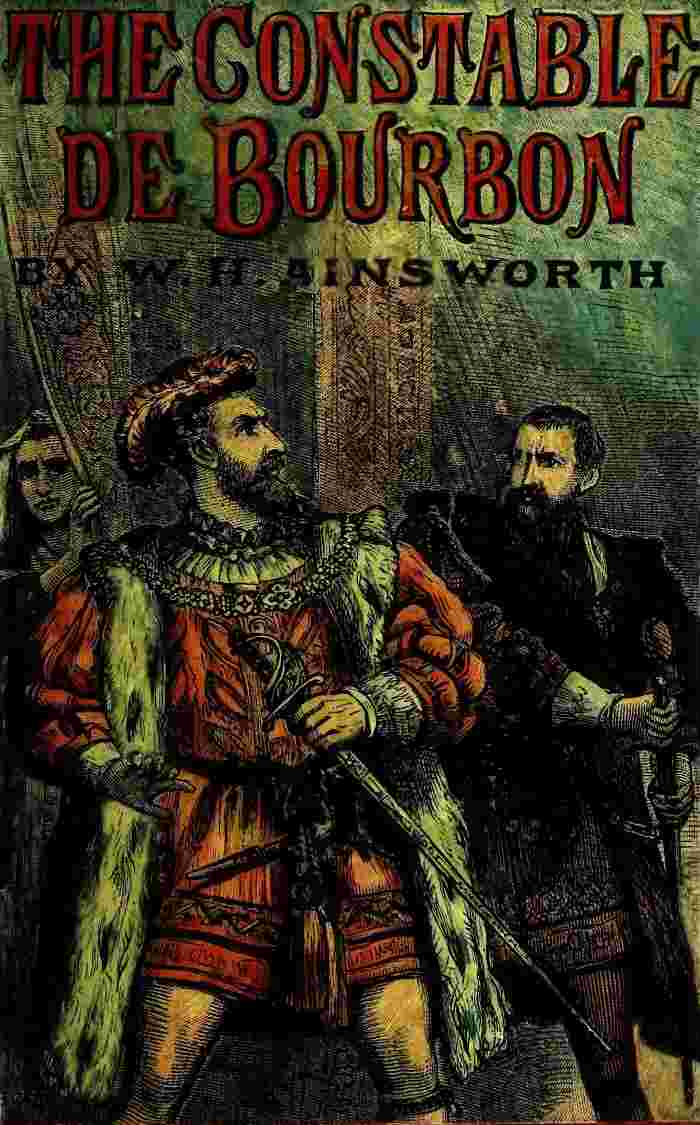 The Constable De Bourbon
by William Harrison Ainsworth
The Constable De Bourbon
by William Harrison Ainsworth
 Glengarry School Days: A Story of Early Days in Glengarry
by Ralph Connor
Glengarry School Days: A Story of Early Days in Glengarry
by Ralph Connor
 A Likely Story
by William De Morgan
A Likely Story
by William De Morgan
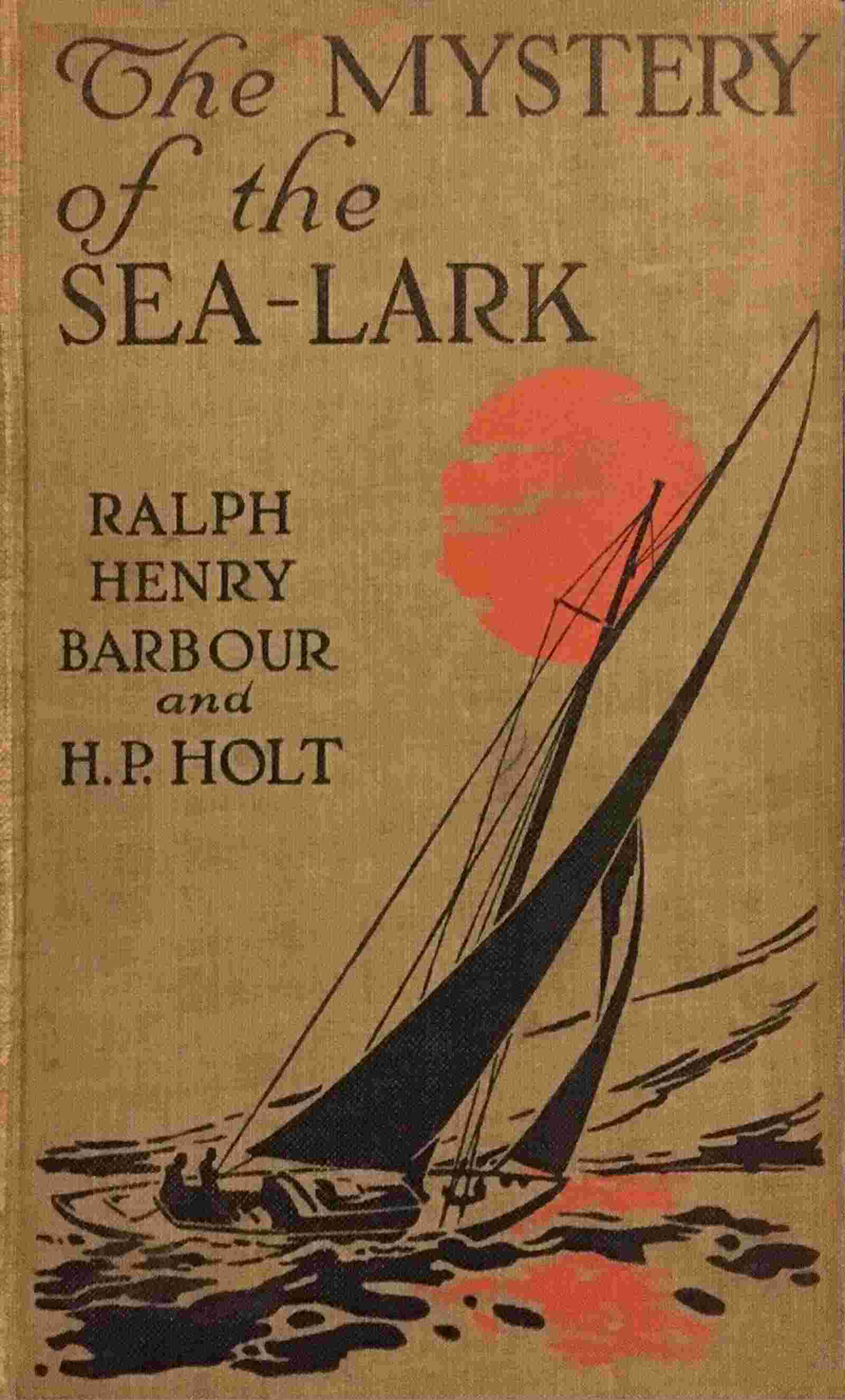 The mystery of the Sea-Lark
by Ralph Henry Barbour
The mystery of the Sea-Lark
by Ralph Henry Barbour