
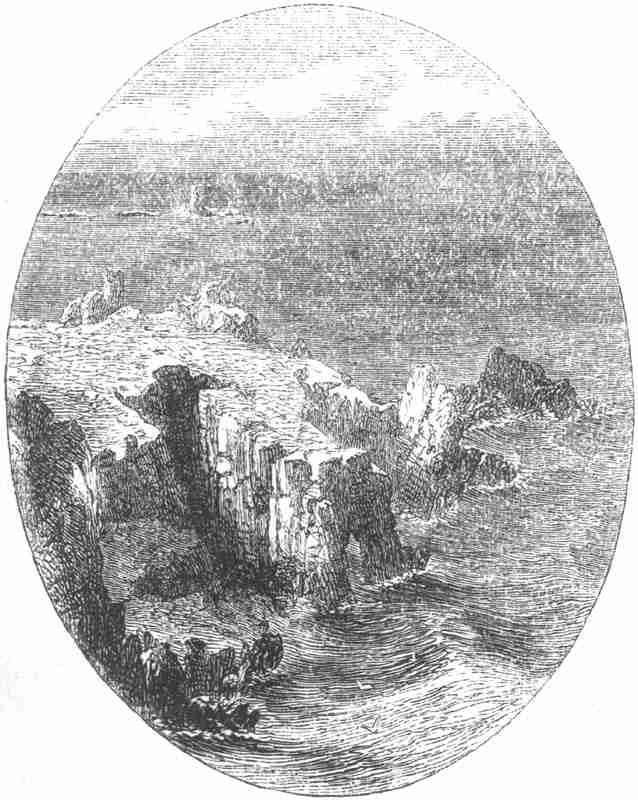
Rambles Beyond Railways; or, Notes in Cornwall taken A-foot
Explore more books like this:
About This Book
The author records a series of pedestrian travel impressions from inland downs to rugged coasts, describing fishing towns, cliffs, and panoramic seascapes. He surveys antiquities such as Druid stones and holy wells alongside details of deep mines and the pilchard fishery. Vignettes of local people, customs, and theatrical life alternate with accounts of coastal legends and religious ruins. The narrative is episodic and personal, organized into chapters that pair topographical description with anecdote and observation. A lively postscript recounts a later, convivial cruise to the Scilly Islands that completes the author's western circuit.
About the Author
More Books by This Author
6 picks




You May Also Like
6 picks
 Lustreise ins Morgenland, Zweiter Theil (von 2)
by Titus Tobler
Lustreise ins Morgenland, Zweiter Theil (von 2)
by Titus Tobler
 A Blind Esperantist's Trip to Finland and Sweden, to Attend the Fourteenth International Esperanto Congress
by W. Percy Merrick
A Blind Esperantist's Trip to Finland and Sweden, to Attend the Fourteenth International Esperanto Congress
by W. Percy Merrick
 Voyage à travers les Cévennes avec un âne
by Robert Louis Stevenson
Voyage à travers les Cévennes avec un âne
by Robert Louis Stevenson
 Amica America
by Jean Giraudoux
Amica America
by Jean Giraudoux
 Discoveries in Egypt, Ethiopia and the peninsula of Sinai, in the years 1842-1845, during the mission sent out by his majesty, Frederick William IV of Prussia.
by Richard Lepsius
Discoveries in Egypt, Ethiopia and the peninsula of Sinai, in the years 1842-1845, during the mission sent out by his majesty, Frederick William IV of Prussia.
by Richard Lepsius
 Quinze Jours en Égypte
by Fernand Neuray
Quinze Jours en Égypte
by Fernand Neuray