
WeRead Powered by ReaderPub
Poor Miss Finch cover

Poor Miss Finch

The narrative follows a young blind woman whose life becomes entangled with two twin brothers, a devoted foreign companion, and a contentious surgeon as questions of loyalty and desire develop. Plot elements include a robbery and legal proceedings, confusion of identity between siblings, and a contested attempt to restore sight, revealed gradually through shifting narrators, letters, and journals. As perception is literally changed, the consequences of regained vision expose hidden motives, force moral reckonings, and complicate relationships. The work balances melodrama with close observation to examine how outward appearance and inward character interact under pressure.

About This Book

The narrative follows a young blind woman whose life becomes entangled with two twin brothers, a devoted foreign companion, and a contentious surgeon as questions of loyalty and desire develop. Plot elements include a robbery and legal proceedings, confusion of identity between siblings, and a contested attempt to restore sight, revealed gradually through shifting narrators, letters, and journals. As perception is literally changed, the consequences of regained vision expose hidden motives, force moral reckonings, and complicate relationships. The work balances melodrama with close observation to examine how outward appearance and inward character interact under pressure.

About the Author
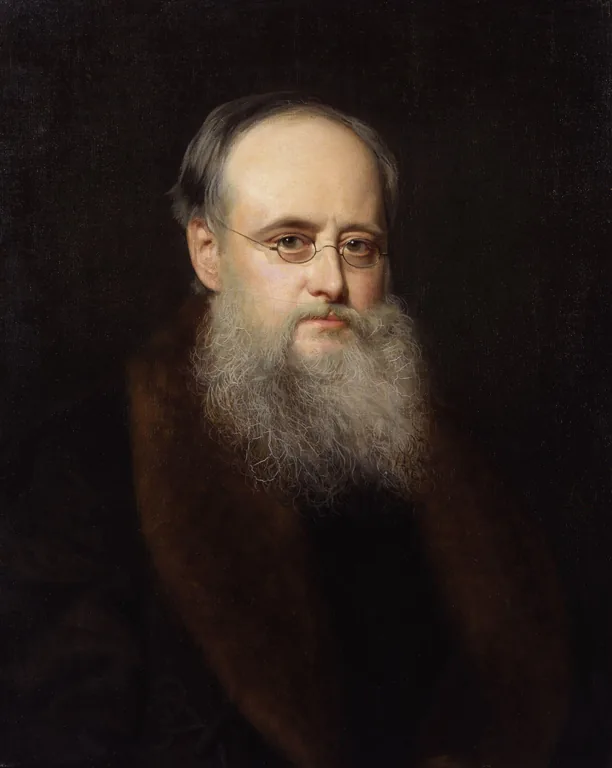
Collins, Wilkie portrait

Wilkie Collins

Wilkie Collins (1824-1889) was an English novelist and playwright, renowned for his pioneering contributions to the mystery and detective genres. His works often blend elements of suspense, social commentary, and complex characterizations. Collins is best known for his novel "The Woman in White," which is celebrated for its innovative narrative structure and psychological depth. Other notable works include "Armadale," "Basil," and "The Moonstone," the latter often regarded as one of the first detective novels in English literature. His writing reflects the Victorian era's concerns and intricacies, making him a significant figure in the literary heritage of the time.

More Books by This Author

You May Also Like