WeRead Powered by ReaderPub
Little Novels cover

Little Novels

The collection presents a series of short narratives and little novels that stage domestic crises, romantic entanglements, social intrigues and occasional supernatural occurrences. Each tale concentrates on character interactions—housekeepers, widows, visitors and friends—whose jealousies, deceptions and ambitions set events in motion; some pieces examine moral dilemmas through formal divisions such as prediction and fulfillment, while others turn on misunderstandings, seduction and legal or social complications. Tone shifts between ironic realism and melodrama, and many stories resolve by revealing motives or consequences rather than offering neat moral verdicts.

About This Book

The collection presents a series of short narratives and little novels that stage domestic crises, romantic entanglements, social intrigues and occasional supernatural occurrences. Each tale concentrates on character interactions—housekeepers, widows, visitors and friends—whose jealousies, deceptions and ambitions set events in motion; some pieces examine moral dilemmas through formal divisions such as prediction and fulfillment, while others turn on misunderstandings, seduction and legal or social complications. Tone shifts between ironic realism and melodrama, and many stories resolve by revealing motives or consequences rather than offering neat moral verdicts.

About the Author
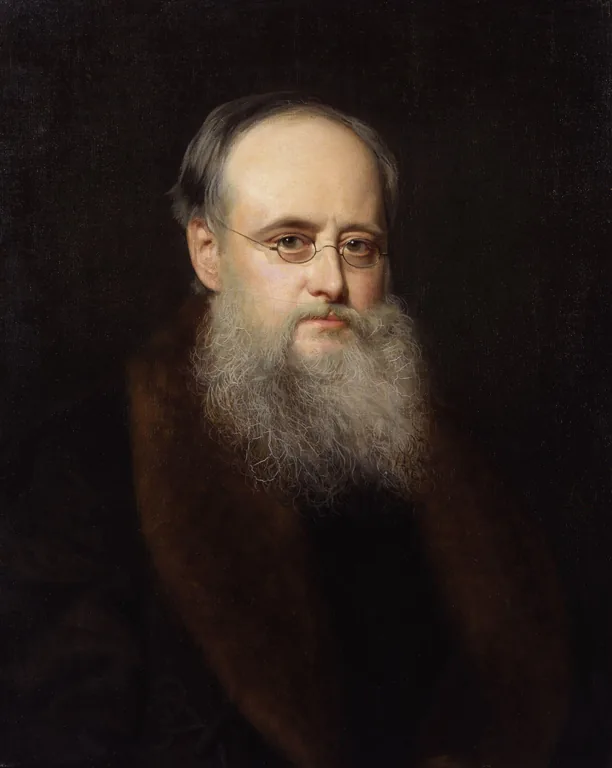
Collins, Wilkie portrait

Wilkie Collins

Wilkie Collins (1824-1889) was an English novelist and playwright, renowned for his pioneering contributions to the mystery and detective genres. His works often blend elements of suspense, social commentary, and complex characterizations. Collins is best known for his novel "The Woman in White," which is celebrated for its innovative narrative structure and psychological depth. Other notable works include "Armadale," "Basil," and "The Moonstone," the latter often regarded as one of the first detective novels in English literature. His writing reflects the Victorian era's concerns and intricacies, making him a significant figure in the literary heritage of the time.

More Books by This Author

You May Also Like