
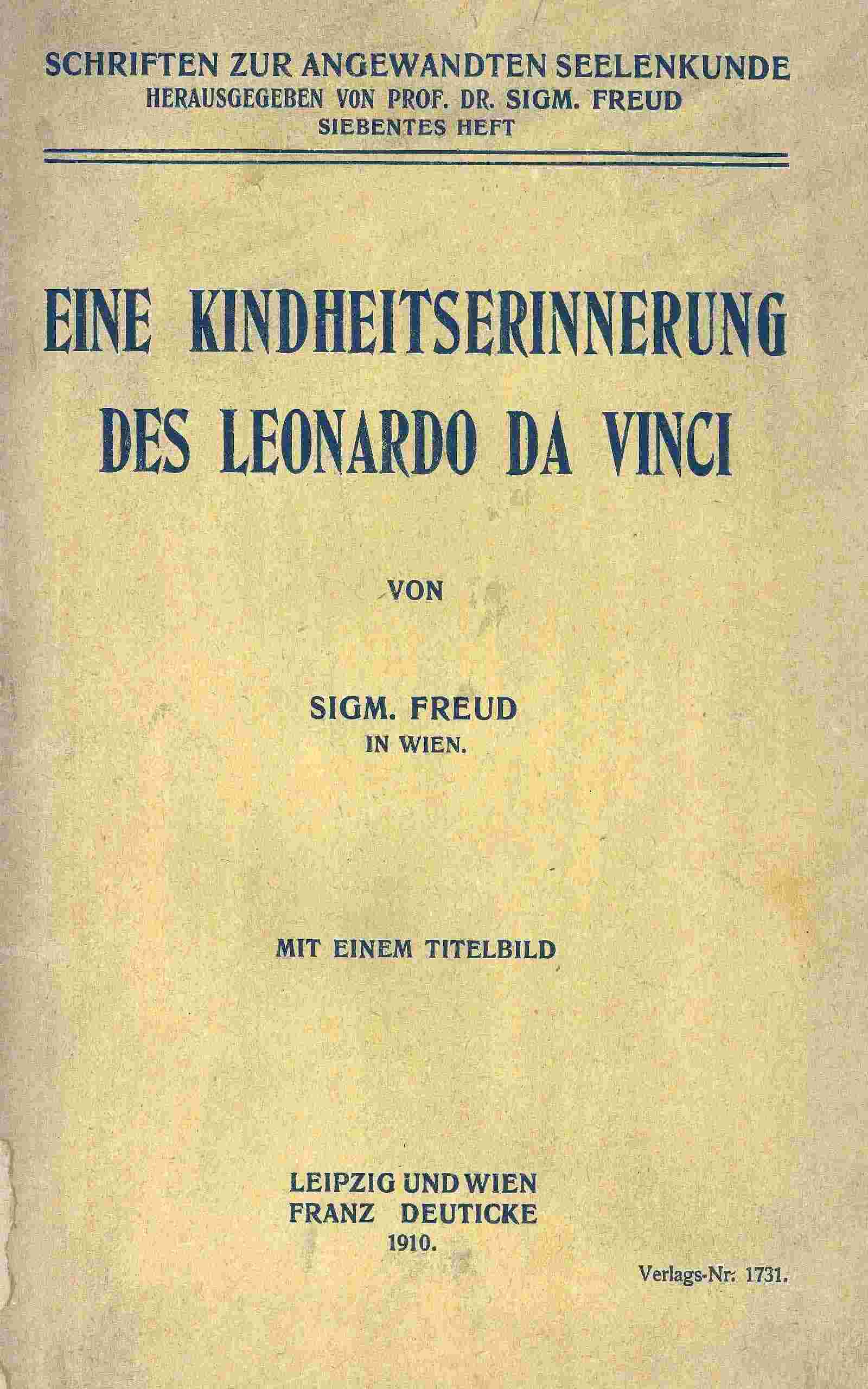
About This Book
The essay analyzes a childhood recollection reported by Leonardo da Vinci and subjects it to psychoanalytic interpretation. Freud reconstructs the memory's latent content, relating it to early libidinal attachments, infantile phantasy, and conflicts around parental relationships, and he connects these psychic dynamics to later tendencies in creativity, scientific inquiry, and aesthetic preference. The argument combines close biographical detail with theoretical reflection on infantile sexuality, unconscious motivation, and defensive processes, proposing that formative mental impressions helped shape the artist's distinctive intellectual life and emotional orientation.
About the Author

More Books by This Author
6 picks
 A General Introduction to Psychoanalysis
by Sigmund Freud
A General Introduction to Psychoanalysis
by Sigmund Freud
 Animismus, Magie und Allmacht der Gedanken / Über einige Übereinstimmungen im Seelenleben der Wilden und der Neurotiker III
by Sigmund Freud
Animismus, Magie und Allmacht der Gedanken / Über einige Übereinstimmungen im Seelenleben der Wilden und der Neurotiker III
by Sigmund Freud
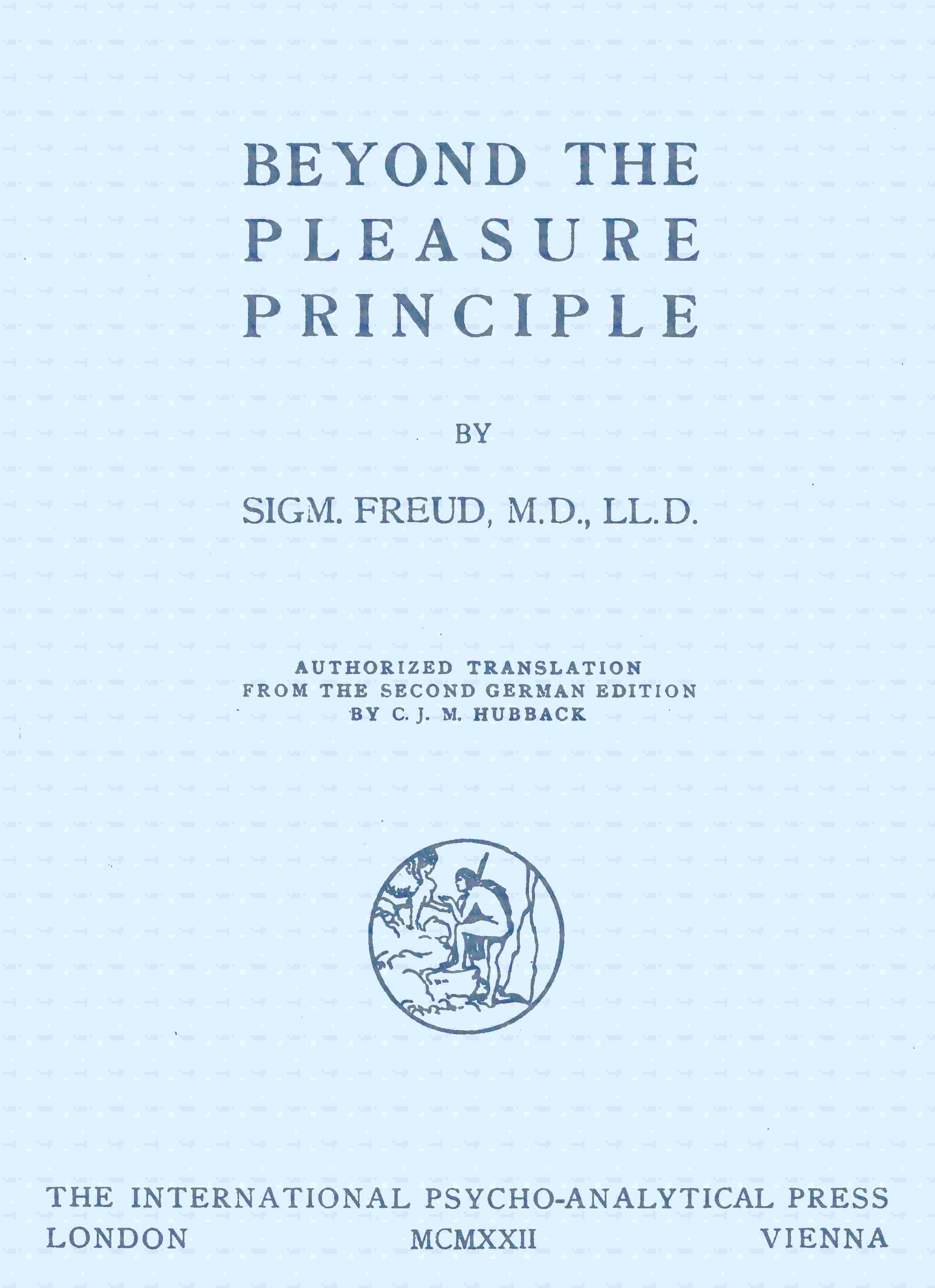 Beyond the pleasure principle
by Sigmund Freud
Beyond the pleasure principle
by Sigmund Freud
 Das Motiv der Kästchenwahl
by Sigmund Freud
Das Motiv der Kästchenwahl
by Sigmund Freud
 Das Tabu und die Ambivalenz der Gefühlsregungen / Über einige Übereinstimmungen im Seelenleben der Wilden und der Neurotiker II
by Sigmund Freud
Das Tabu und die Ambivalenz der Gefühlsregungen / Über einige Übereinstimmungen im Seelenleben der Wilden und der Neurotiker II
by Sigmund Freud
 Das Unheimliche
by Sigmund Freud
Das Unheimliche
by Sigmund Freud
You May Also Like
6 picks
 Über Psychoanalyse: Fünf Vorlesungen
by Sigmund Freud
Über Psychoanalyse: Fünf Vorlesungen
by Sigmund Freud
 Ten Days in a Mad-House; or, Nellie Bly's Experience on Blackwell's Island. / Feigning Insanity in Order to Reveal Asylum Horrors. The Trying Ordeal of the New York World's Girl Correspondent.
by Nellie Bly
Ten Days in a Mad-House; or, Nellie Bly's Experience on Blackwell's Island. / Feigning Insanity in Order to Reveal Asylum Horrors. The Trying Ordeal of the New York World's Girl Correspondent.
by Nellie Bly
 De Ziel van het Noorden / De Aarde en haar Volken, 1917
by Gino Bertolini
De Ziel van het Noorden / De Aarde en haar Volken, 1917
by Gino Bertolini
 Evening Round-Up / More Good Stuff Like Pep
by William Crosbie Hunter
Evening Round-Up / More Good Stuff Like Pep
by William Crosbie Hunter
 El Hombre Mediocre: Ensayo de psicologia y moral
by José Ingenieros
El Hombre Mediocre: Ensayo de psicologia y moral
by José Ingenieros
 MindGames: Short Fiction about Bizarre Mental Health Disorders
by Samuel Vaknin
MindGames: Short Fiction about Bizarre Mental Health Disorders
by Samuel Vaknin