
About This Book
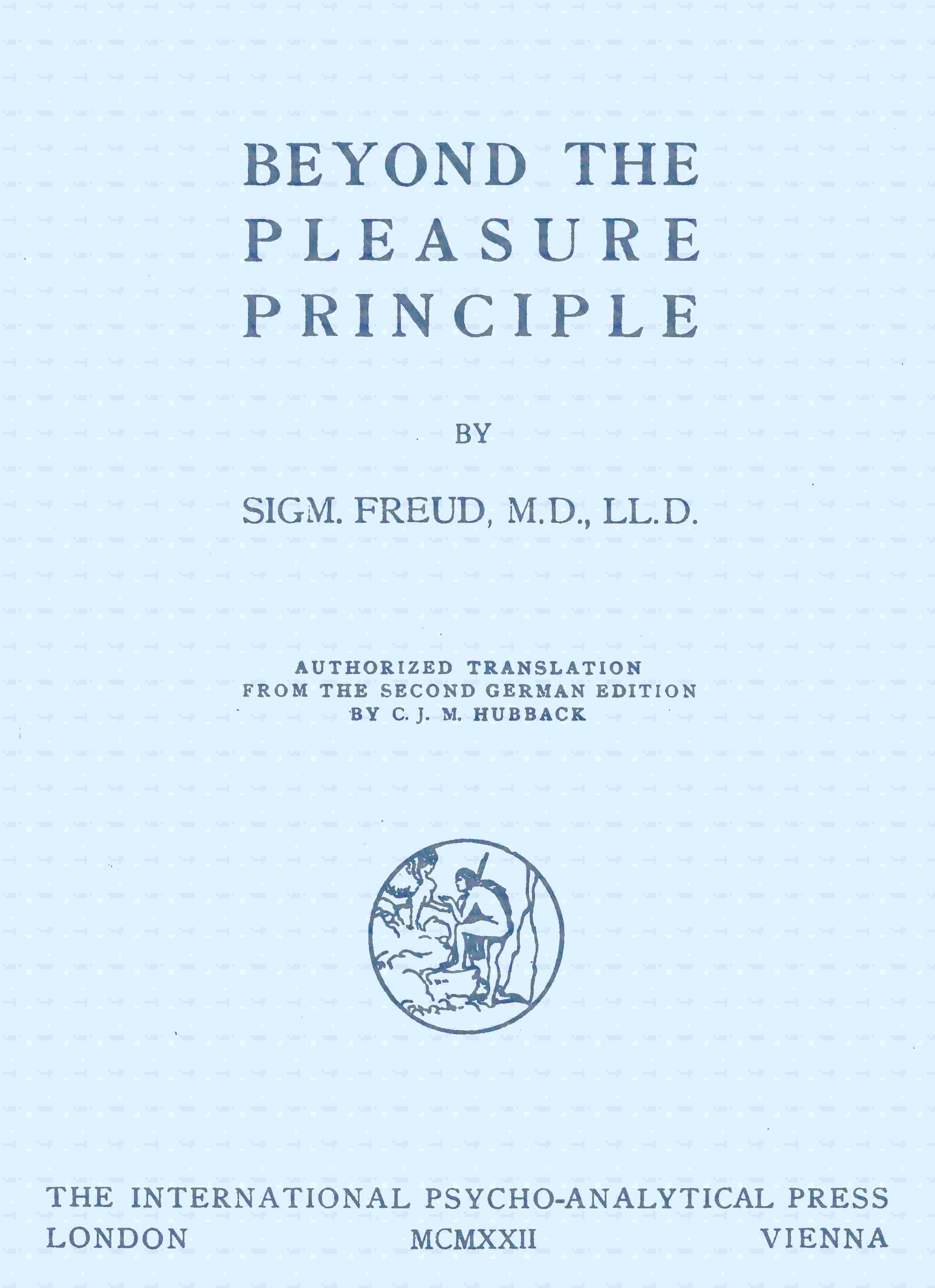
The work challenges the notion that mental processes are governed only by a pleasure-seeking principle, arguing that a compulsion to repeat actions and experiences—including painful or neutral ones—cannot be reduced to pursuit of pleasure. Drawing on clinical observations of trauma, childhood play, and automatic repetitions, it develops a metapsychological account in which instincts include both life-directed tendencies toward binding and connection and a proposed destructive tendency aimed at a return to an earlier inorganic condition. It examines how repression, reality constraints, and instinctual conflict shape the economy of psychic energy and tentatively posits a death-oriented drive to explain persistent repetition beyond pleasure.
About the Author

More Books by This Author
6 picks
 A General Introduction to Psychoanalysis
by Sigmund Freud
A General Introduction to Psychoanalysis
by Sigmund Freud
 Animismus, Magie und Allmacht der Gedanken / Über einige Übereinstimmungen im Seelenleben der Wilden und der Neurotiker III
by Sigmund Freud
Animismus, Magie und Allmacht der Gedanken / Über einige Übereinstimmungen im Seelenleben der Wilden und der Neurotiker III
by Sigmund Freud
 Das Motiv der Kästchenwahl
by Sigmund Freud
Das Motiv der Kästchenwahl
by Sigmund Freud
 Das Tabu und die Ambivalenz der Gefühlsregungen / Über einige Übereinstimmungen im Seelenleben der Wilden und der Neurotiker II
by Sigmund Freud
Das Tabu und die Ambivalenz der Gefühlsregungen / Über einige Übereinstimmungen im Seelenleben der Wilden und der Neurotiker II
by Sigmund Freud
 Das Unheimliche
by Sigmund Freud
Das Unheimliche
by Sigmund Freud
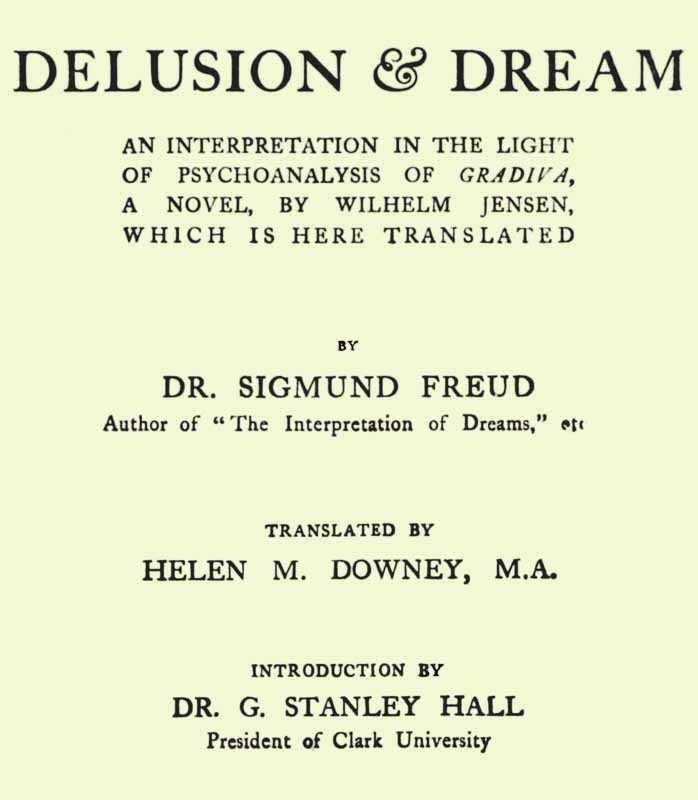 Delusion and Dream : an Interpretation in the Light of Psychoanalysis of Gradiva
by Sigmund Freud
Delusion and Dream : an Interpretation in the Light of Psychoanalysis of Gradiva
by Sigmund Freud
You May Also Like
6 picks
 Higher Education and Business Standards
by Willard E. Hotchkiss
Higher Education and Business Standards
by Willard E. Hotchkiss
 Aesthetical Essays of Friedrich Schiller
by Friedrich Schiller
Aesthetical Essays of Friedrich Schiller
by Friedrich Schiller
 Ευθύδημος
by Plato
Ευθύδημος
by Plato
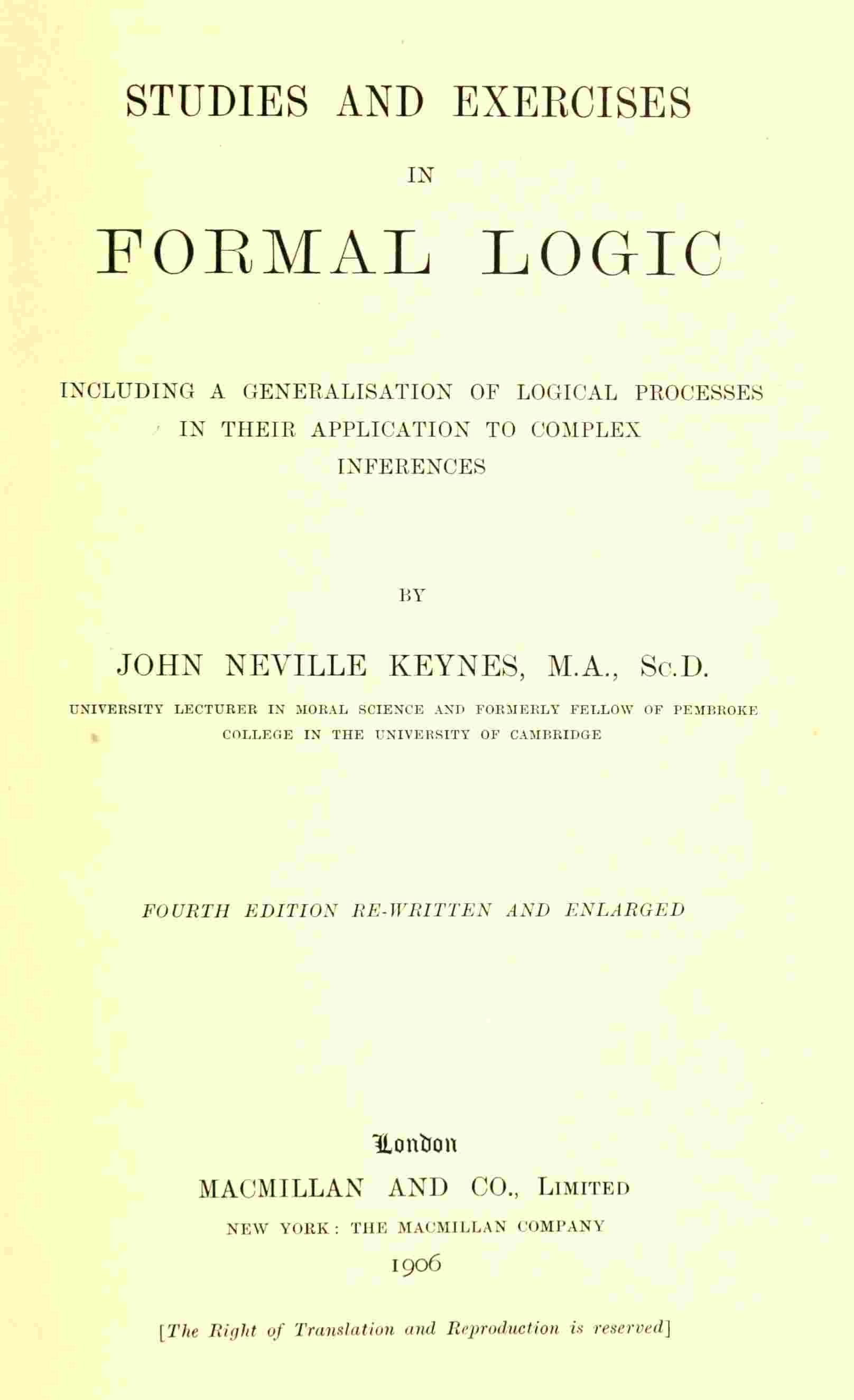 Studies and Exercises in Formal Logic
by John Neville Keynes
Studies and Exercises in Formal Logic
by John Neville Keynes
 The Temptation of St. Antony; Or, A Revelation of the Soul
by Gustave Flaubert
The Temptation of St. Antony; Or, A Revelation of the Soul
by Gustave Flaubert
 An Essay on the Principle of Population
by T. R. Malthus
An Essay on the Principle of Population
by T. R. Malthus