

About This Book
The plot follows a young woman whose devotion and misgivings draw her into a tangled affair of anonymous threats, secret rendezvous, and social scandal after a nobleman's dangerous associations provoke suspicion. The story moves through three narrative periods mixing domestic scenes, police intervention, and clandestine travels, and uses shifting narrators and framed accounts to reveal betrayals, mistaken identities, sudden reversals, and legal peril. Themes of loyalty, pride, deceit, and emotional blindness recur as characters conceal motives, test alliances, and pursue vindication, producing suspenseful revelations that reshape relationships and expose personal and public consequences.
About the Author

More Books by This Author
6 picks





You May Also Like
6 picks
 The tunnel
by Dorothy M. Richardson
The tunnel
by Dorothy M. Richardson
 Sea-dogs all!
by Tom Bevan
Sea-dogs all!
by Tom Bevan
 Land and Sea Tales for Boys and Girls
by Rudyard Kipling
Land and Sea Tales for Boys and Girls
by Rudyard Kipling
 Hazlitt on English Literature: An Introduction to the Appreciation of Literature
by William Hazlitt
Hazlitt on English Literature: An Introduction to the Appreciation of Literature
by William Hazlitt
 Love Me Little, Love Me Long
by Charles Reade
Love Me Little, Love Me Long
by Charles Reade
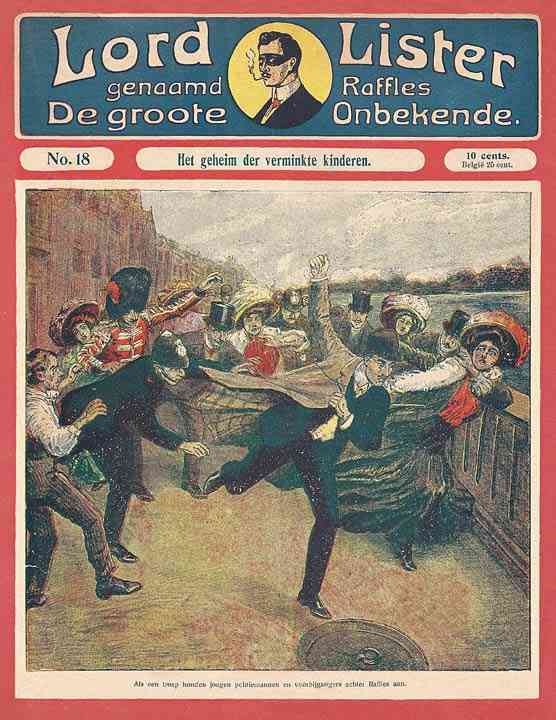 Lord Lister No. 0018: Het geheim van de verminkte kinderen
by Kurt Matull
Lord Lister No. 0018: Het geheim van de verminkte kinderen
by Kurt Matull