

Time's Portraiture / (From: "The Doliver Romance and Other Pieces: Tales and Sketches")
Explore more books like this:
About This Book
A humorous first-person address by a newspaper carrier who personifies Father Time and describes his contemporary manners, dress, and habits. Rejecting the almanac portrait, the speaker depicts Time as a fashionable, sociable figure who haunts city streets, converses with youths and merchants, and delights in gossip and new fashions. The essay traces how Time circulates rumors, embraces novelty, marks people with age and misfortune, and prefers the present over historic memory, using ironic observation to reflect on transience, social fads, and the deceptive charms of the moment.
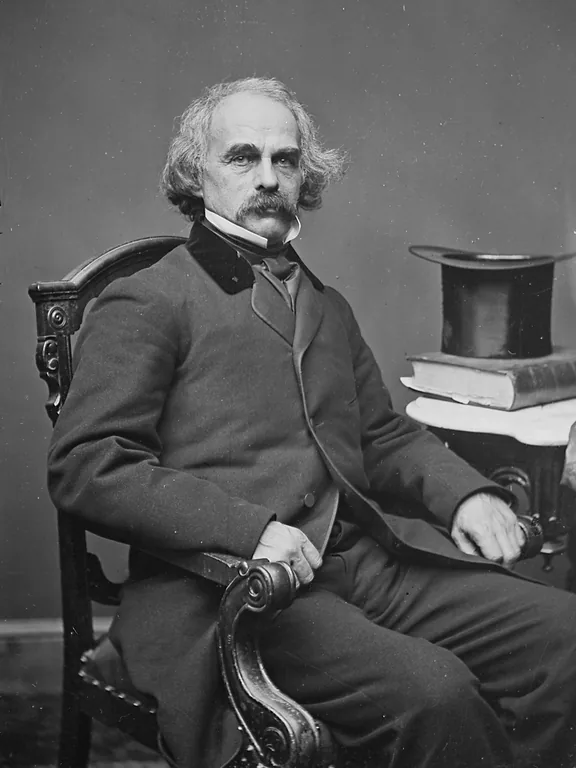
About the Author
More Books by This Author
6 picks
 "Browne's Folly" / (From: "The Doliver Romance and Other Pieces: Tales and Sketches")
by Nathaniel Hawthorne
"Browne's Folly" / (From: "The Doliver Romance and Other Pieces: Tales and Sketches")
by Nathaniel Hawthorne
 A Bell's Biography
by Nathaniel Hawthorne
A Bell's Biography
by Nathaniel Hawthorne
 A Book of Autographs
by Nathaniel Hawthorne
A Book of Autographs
by Nathaniel Hawthorne
 A Rill from the Town Pump
by Nathaniel Hawthorne
A Rill from the Town Pump
by Nathaniel Hawthorne
 A Select Party
by Nathaniel Hawthorne
A Select Party
by Nathaniel Hawthorne
 A Virtuoso's Collection (From "Mosses from an Old Manse")
by Nathaniel Hawthorne
A Virtuoso's Collection (From "Mosses from an Old Manse")
by Nathaniel Hawthorne
You May Also Like
6 picks
 Selections from Erasmus: Principally from his Epistles
by Desiderius Erasmus
Selections from Erasmus: Principally from his Epistles
by Desiderius Erasmus
 Behind the Line: A Story of College Life and Football
by Ralph Henry Barbour
Behind the Line: A Story of College Life and Football
by Ralph Henry Barbour
 Arthur O'Leary: His Wanderings And Ponderings In Many Lands
by Charles Lever
Arthur O'Leary: His Wanderings And Ponderings In Many Lands
by Charles Lever
 Down the Slope
by James Otis
Down the Slope
by James Otis
 Ups and Downs in the Life of a Distressed Gentleman
by William L. Stone
Ups and Downs in the Life of a Distressed Gentleman
by William L. Stone
 The River and I
by John G. Neihardt
The River and I
by John G. Neihardt