
About This Book
A fanciful host fashions a gilded castle in the air and summons a select assembly of emblematic guests. Lavish description of cloud foundations, jewel-like pillars, and meteor chandeliers establishes an otherworldly setting that flatters every arrival. Among the visitors are a venerable figure embodying antiquity and an unassuming character of extraordinary, almost impossible talents; their reception and subdued exchanges expose contrasts between imaginative realms and the practical lower world. The vignette lightly satirizes social affectation, artistic pretension, and the differing estimates placed on originality and usefulness.
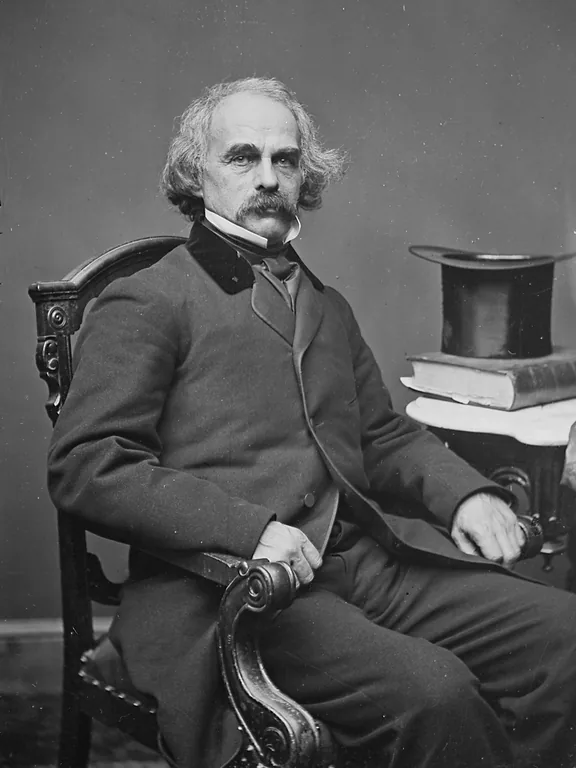
About the Author
More Books by This Author
6 picks
 "Browne's Folly" / (From: "The Doliver Romance and Other Pieces: Tales and Sketches")
by Nathaniel Hawthorne
"Browne's Folly" / (From: "The Doliver Romance and Other Pieces: Tales and Sketches")
by Nathaniel Hawthorne
 A Bell's Biography
by Nathaniel Hawthorne
A Bell's Biography
by Nathaniel Hawthorne
 A Book of Autographs
by Nathaniel Hawthorne
A Book of Autographs
by Nathaniel Hawthorne
 A Rill from the Town Pump
by Nathaniel Hawthorne
A Rill from the Town Pump
by Nathaniel Hawthorne
 A Virtuoso's Collection (From "Mosses from an Old Manse")
by Nathaniel Hawthorne
A Virtuoso's Collection (From "Mosses from an Old Manse")
by Nathaniel Hawthorne
 An Old Woman's Tale / (From: "The Doliver Romance and Other Pieces: Tales and Sketches")
by Nathaniel Hawthorne
An Old Woman's Tale / (From: "The Doliver Romance and Other Pieces: Tales and Sketches")
by Nathaniel Hawthorne
You May Also Like
6 picks