

About This Book
A sequence of essays and lectures articulates seven moral and aesthetic principles—sacrifice, truth, power, beauty, life, memory, and obedience—and evaluates architectural practice against them, favoring Gothic richness of ornament and moral expression over classical austerity. The author analyzes specific tracery, sculpture, and structural details to show how workmanship reflects social and spiritual values. Additional lectures extend the discussion to painting, including commentary on Turner and the Pre-Raphaelite movement, and a final essay offers practical guidance for the study and teaching of architecture.
About the Author
More Books by This Author
6 picks
 "Præterita": souvenirs de jeunesse
by John Ruskin
"Præterita": souvenirs de jeunesse
by John Ruskin
 A Joy For Ever (and Its Price in the Market)
by John Ruskin
A Joy For Ever (and Its Price in the Market)
by John Ruskin
 Aratra Pentelici, Seven Lectures on the Elements of Sculpture / Given before the University of Oxford in Michaelmas Term, 1870
by John Ruskin
Aratra Pentelici, Seven Lectures on the Elements of Sculpture / Given before the University of Oxford in Michaelmas Term, 1870
by John Ruskin
 Ariadne Florentina: Six Lectures on Wood and Metal Engraving
by John Ruskin
Ariadne Florentina: Six Lectures on Wood and Metal Engraving
by John Ruskin
 Fors Clavigera (Volume 6 of 8) /
by John Ruskin
Fors Clavigera (Volume 6 of 8) /
by John Ruskin
 Giotto and his works in Padua / An Explanatory Notice of the Series of Woodcuts Executed for the Arundel Society After the Frescoes in the Arena Chapel
by John Ruskin
Giotto and his works in Padua / An Explanatory Notice of the Series of Woodcuts Executed for the Arundel Society After the Frescoes in the Arena Chapel
by John Ruskin
You May Also Like
6 picks
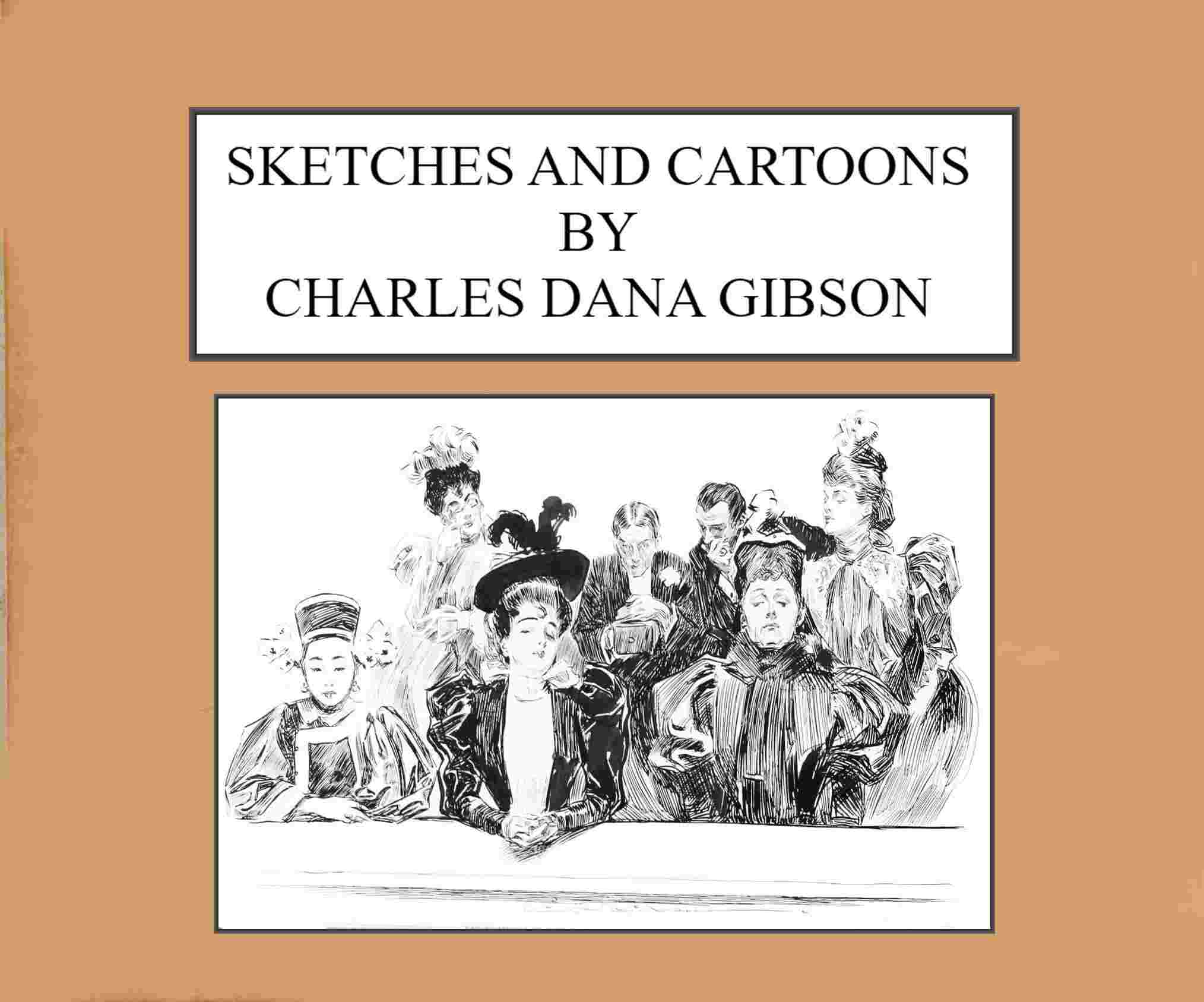 Sketches and Cartoons
by Charles Dana Gibson
Sketches and Cartoons
by Charles Dana Gibson
 The Grounds of Christianity Examined by Comparing The New Testament with the Old
by George Bethune English
The Grounds of Christianity Examined by Comparing The New Testament with the Old
by George Bethune English
 Humanity's Gain from Unbelief / Reprinted from the "North American Review" of March, 1889
by Charles Bradlaugh
Humanity's Gain from Unbelief / Reprinted from the "North American Review" of March, 1889
by Charles Bradlaugh
 Lawrence
by S. L. Bensusan
Lawrence
by S. L. Bensusan
 Il colore del tempo
by Federico De Roberto
Il colore del tempo
by Federico De Roberto
 An Introduction to the Philosophy of Law
by Roscoe Pound
An Introduction to the Philosophy of Law
by Roscoe Pound