
The Scarlet Letter
A prefatory autobiographical sketch frames a moral tale set in a strict, judgmental community, explaining how papers and memories came to light. The main narrative follows a woman publicly punished for bearing an illegitimate child and compelled to wear a visible stigma that enforces her social exile while she supports her daughter by her labor. The child's presence both isolates and humanizes the mother, even as the concealed identity of the child's father and the embittered return of a wronged husband create private anguish, revenge, and a final revelation. Recurring themes probe sin, guilt, hypocrisy, personal conscience, and the costs of public penance.
About This Book
A prefatory autobiographical sketch frames a moral tale set in a strict, judgmental community, explaining how papers and memories came to light. The main narrative follows a woman publicly punished for bearing an illegitimate child and compelled to wear a visible stigma that enforces her social exile while she supports her daughter by her labor. The child's presence both isolates and humanizes the mother, even as the concealed identity of the child's father and the embittered return of a wronged husband create private anguish, revenge, and a final revelation. Recurring themes probe sin, guilt, hypocrisy, personal conscience, and the costs of public penance.
About the Author
More Books by This Author
 "Browne's Folly" / (From: "The Doliver Romance and Other Pieces: Tales and Sketches")
by Nathaniel Hawthorne
"Browne's Folly" / (From: "The Doliver Romance and Other Pieces: Tales and Sketches")
by Nathaniel Hawthorne
 A Bell's Biography
by Nathaniel Hawthorne
A Bell's Biography
by Nathaniel Hawthorne
 A Book of Autographs
by Nathaniel Hawthorne
A Book of Autographs
by Nathaniel Hawthorne
 A Rill from the Town Pump
by Nathaniel Hawthorne
A Rill from the Town Pump
by Nathaniel Hawthorne
 A Select Party
by Nathaniel Hawthorne
A Select Party
by Nathaniel Hawthorne
 A Virtuoso's Collection (From "Mosses from an Old Manse")
by Nathaniel Hawthorne
A Virtuoso's Collection (From "Mosses from an Old Manse")
by Nathaniel Hawthorne
You May Also Like
 "All's not Gold that Glitters;" or, The Young Californian
by Alice B. Haven
"All's not Gold that Glitters;" or, The Young Californian
by Alice B. Haven
 "Bring Me His Ears"
by Clarence Edward Mulford
"Browne's Folly" / (From: "The Doliver Romance and Other Pieces: Tales and Sketches")
by Nathaniel Hawthorne
"Bring Me His Ears"
by Clarence Edward Mulford
"Browne's Folly" / (From: "The Doliver Romance and Other Pieces: Tales and Sketches")
by Nathaniel Hawthorne
 "Forward, March": A Tale of the Spanish-American War
by Kirk Munroe
"Forward, March": A Tale of the Spanish-American War
by Kirk Munroe
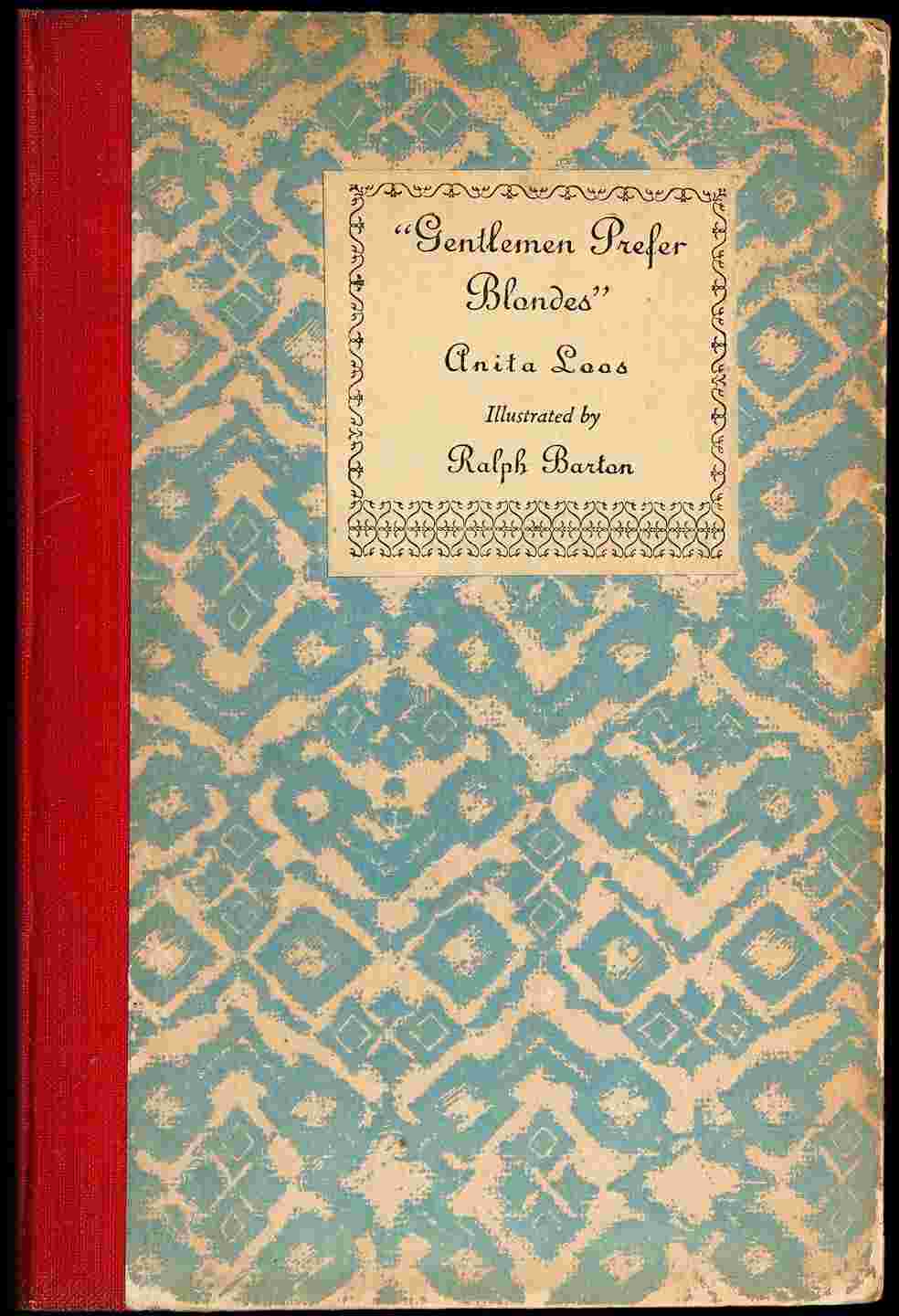 "Gentlemen prefer blondes"
by Anita Loos
"Gentlemen prefer blondes"
by Anita Loos
 "George Washington's" Last Duel / 1891
by Thomas Nelson Page
"George Washington's" Last Duel / 1891
by Thomas Nelson Page