

About This Book
A short theological essay argues that truth must be presented in proper proportion: exaggerating one attribute or doctrine produces distortion, while balanced presentation preserves the harmony of divine revelation. Drawing analogies from painting, trees, music, and the spectrum of light, the author maintains that Scripture and the Christian scheme of salvation—though written by diverse hands—form an integrated, harmonious whole. He urges ministers and readers to declare the whole counsel of God, attending not only to how often doctrines appear but to the urgency and place Scripture assigns them, so as to avoid partial or misleading emphasis.
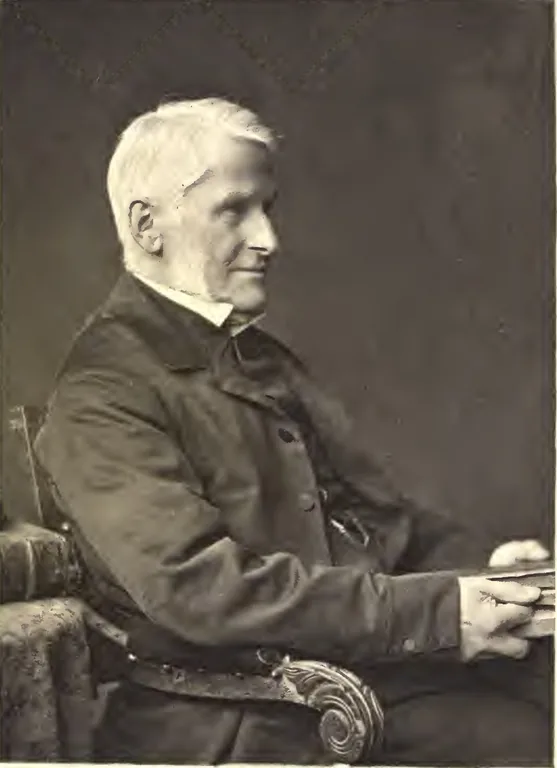
About the Author
More Books by This Author
6 picks
 "Nothing Between" / The Special Doctrines Vindicated at the Reformation as Bearing upon the Spiritual Life of the Church
by Edward Hoare
"Nothing Between" / The Special Doctrines Vindicated at the Reformation as Bearing upon the Spiritual Life of the Church
by Edward Hoare
 A Sermon Preached in York Minister, on St. Bartholomew's Day, Friday, August 24, 1877 / on the Occasion of the Consecration of the Right Rev. Rowley Hill, Lord Bishop of Sodor and Man
by Edward Hoare
A Sermon Preached in York Minister, on St. Bartholomew's Day, Friday, August 24, 1877 / on the Occasion of the Consecration of the Right Rev. Rowley Hill, Lord Bishop of Sodor and Man
by Edward Hoare
 Baptism as taught in the Bible and the Prayer Book
by Edward Hoare
Baptism as taught in the Bible and the Prayer Book
by Edward Hoare
 Clerical Subscription and the Act of Uniformity
by Edward Hoare
Clerical Subscription and the Act of Uniformity
by Edward Hoare
 Conformity to the World
by Edward Hoare
Conformity to the World
by Edward Hoare
 Edward Hoare, M.A.: A record of his life based upon a brief autobiography
by Edward Hoare
Edward Hoare, M.A.: A record of his life based upon a brief autobiography
by Edward Hoare
You May Also Like
6 picks
 The New Departure; Or, Thoughts for Loyal Churchmen
by Edward Hoare
The New Departure; Or, Thoughts for Loyal Churchmen
by Edward Hoare
 Crimes and Punishments / Including a New Translation of Beccaria's 'Dei Delitti e delle Pene'
by James Anson Farrer
Crimes and Punishments / Including a New Translation of Beccaria's 'Dei Delitti e delle Pene'
by James Anson Farrer
 The Threshold Covenant; or, The Beginning of Religious Rites
by H. Clay Trumbull
The Threshold Covenant; or, The Beginning of Religious Rites
by H. Clay Trumbull
 A Night in the Luxembourg
by Remy de Gourmont
A Night in the Luxembourg
by Remy de Gourmont
 The Assyrian and Hebrew Hymns of Praise
by Charles Gordon Cumming
The Assyrian and Hebrew Hymns of Praise
by Charles Gordon Cumming
 The Bible Book by Book / A Manual for the Outline Study of the Bible by Books
by Josiah Blake Tidwell
The Bible Book by Book / A Manual for the Outline Study of the Bible by Books
by Josiah Blake Tidwell