
The Old Manse (From "Mosses from an Old Manse")
The narrator describes taking up residence in an aging parsonage set back from a lazy river, painting detailed impressions of its overgrown avenue, the smoke-blackened study later refreshed with art, and the view from three quaint windows. Recollections of former clerical occupants, the presence of a nearby battle visible across the water, and a literary association with a contemporary thinker prompt reflections on solitude, the relationship between place and vocation, and nature's capacity to produce beauty from squalor. The essay blends topographical description, a personal resolve to write weighty work, and moral meditations on landscape and human character.
About This Book
The narrator describes taking up residence in an aging parsonage set back from a lazy river, painting detailed impressions of its overgrown avenue, the smoke-blackened study later refreshed with art, and the view from three quaint windows. Recollections of former clerical occupants, the presence of a nearby battle visible across the water, and a literary association with a contemporary thinker prompt reflections on solitude, the relationship between place and vocation, and nature's capacity to produce beauty from squalor. The essay blends topographical description, a personal resolve to write weighty work, and moral meditations on landscape and human character.
About the Author
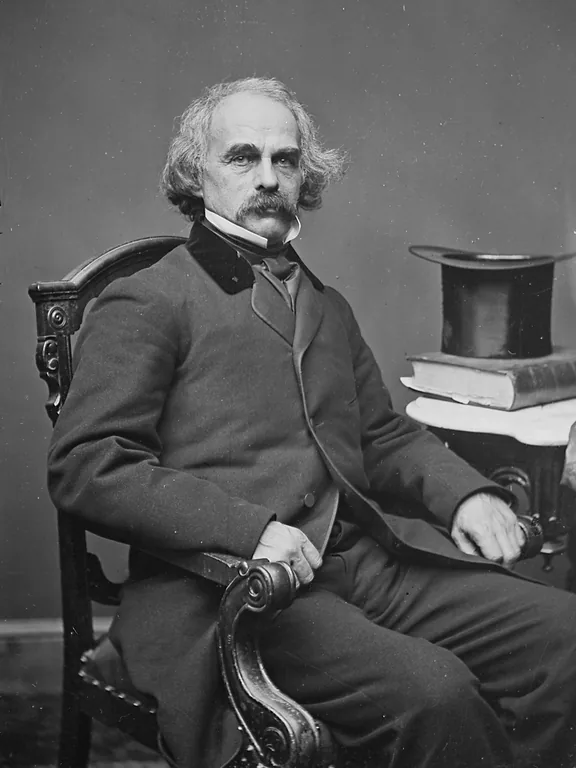
More Books by This Author
 "Browne's Folly" / (From: "The Doliver Romance and Other Pieces: Tales and Sketches")
by Nathaniel Hawthorne
"Browne's Folly" / (From: "The Doliver Romance and Other Pieces: Tales and Sketches")
by Nathaniel Hawthorne
 A Bell's Biography
by Nathaniel Hawthorne
A Bell's Biography
by Nathaniel Hawthorne
 A Book of Autographs
by Nathaniel Hawthorne
A Book of Autographs
by Nathaniel Hawthorne
 A Rill from the Town Pump
by Nathaniel Hawthorne
A Rill from the Town Pump
by Nathaniel Hawthorne
 A Select Party
by Nathaniel Hawthorne
A Select Party
by Nathaniel Hawthorne
 A Virtuoso's Collection (From "Mosses from an Old Manse")
by Nathaniel Hawthorne
A Virtuoso's Collection (From "Mosses from an Old Manse")
by Nathaniel Hawthorne
You May Also Like
 "All's not Gold that Glitters;" or, The Young Californian
by Alice B. Haven
"All's not Gold that Glitters;" or, The Young Californian
by Alice B. Haven
 "Bring Me His Ears"
by Clarence Edward Mulford
"Browne's Folly" / (From: "The Doliver Romance and Other Pieces: Tales and Sketches")
by Nathaniel Hawthorne
"Bring Me His Ears"
by Clarence Edward Mulford
"Browne's Folly" / (From: "The Doliver Romance and Other Pieces: Tales and Sketches")
by Nathaniel Hawthorne
 "Forward, March": A Tale of the Spanish-American War
by Kirk Munroe
"Forward, March": A Tale of the Spanish-American War
by Kirk Munroe
 "Gentlemen prefer blondes"
by Anita Loos
"Gentlemen prefer blondes"
by Anita Loos
 "George Washington's" Last Duel / 1891
by Thomas Nelson Page
"George Washington's" Last Duel / 1891
by Thomas Nelson Page