

About This Book
Practical instruction for beginning draughtsmen presented in three letters that cover initial exercises in line and tone, methods for sketching from nature, and principles of color and composition. The text stresses careful observation and matching of patches of light and shade, gradual gradation, and disciplined measurement rather than bold or decorative marks, with step-by-step exercises for rendering form, texture, and depth. Appendices offer clarifying notes and suggested subjects for study. The overall emphasis is on patience, steady practice, and fidelity to visual evidence as the basis of accurate and expressive drawing.
About the Author
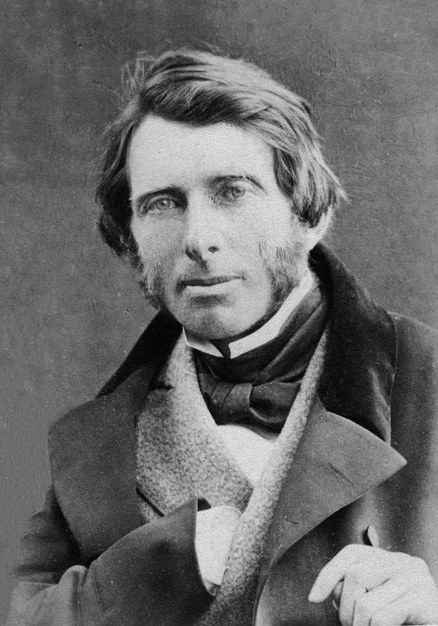
More Books by This Author
6 picks
 "Præterita": souvenirs de jeunesse
by John Ruskin
"Præterita": souvenirs de jeunesse
by John Ruskin
 A Joy For Ever (and Its Price in the Market)
by John Ruskin
A Joy For Ever (and Its Price in the Market)
by John Ruskin
 Aratra Pentelici, Seven Lectures on the Elements of Sculpture / Given before the University of Oxford in Michaelmas Term, 1870
by John Ruskin
Aratra Pentelici, Seven Lectures on the Elements of Sculpture / Given before the University of Oxford in Michaelmas Term, 1870
by John Ruskin
 Ariadne Florentina: Six Lectures on Wood and Metal Engraving
by John Ruskin
Ariadne Florentina: Six Lectures on Wood and Metal Engraving
by John Ruskin
 Fors Clavigera (Volume 6 of 8) /
by John Ruskin
Fors Clavigera (Volume 6 of 8) /
by John Ruskin
 Giotto and his works in Padua / An Explanatory Notice of the Series of Woodcuts Executed for the Arundel Society After the Frescoes in the Arena Chapel
by John Ruskin
Giotto and his works in Padua / An Explanatory Notice of the Series of Woodcuts Executed for the Arundel Society After the Frescoes in the Arena Chapel
by John Ruskin
You May Also Like
6 picks
 L'art de faire le vin avec les raisins secs
by J.-F. Audibert
L'art de faire le vin avec les raisins secs
by J.-F. Audibert
 The Mentor: The National Gallery—London, Vol. 4, Num. 4, Serial No. 104, April 1, 1916 / Great Galleries of the World
by John C. Van Dyke
The Mentor: The National Gallery—London, Vol. 4, Num. 4, Serial No. 104, April 1, 1916 / Great Galleries of the World
by John C. Van Dyke
 Talks on Writing English. First Series
by Arlo Bates
Talks on Writing English. First Series
by Arlo Bates
 Stop! A Handy Monitor, Pocket Conscience and Portable Guardian against the World, the Flesh and the Devil
by Nathan Dane Urner
Stop! A Handy Monitor, Pocket Conscience and Portable Guardian against the World, the Flesh and the Devil
by Nathan Dane Urner
 The Chinese theater
by A. E. Zucker
The Chinese theater
by A. E. Zucker
 Les Peintres Provençaux / Loubon et son temps - Aiguier - Ricard - Monticelli - Paul Guigou
by André Gouirand
Les Peintres Provençaux / Loubon et son temps - Aiguier - Ricard - Monticelli - Paul Guigou
by André Gouirand