

About This Book
An analysis of the social and political conditions that enabled Louis Bonaparte’s seizure of power, tracing how competing class forces—peasantry, bourgeois factions, urban workers, and conservative elites—interacted and formed shifting alliances. The author argues that historical forms recur in altered, often parodic ways, and that personal ambition, party weakness, and institutional arrangements combined to translate economic and social conflicts into a distinct regime. The essay uses historical materialist reasoning to show how material conditions, ideology, and political tactics shape outcomes and limit political agency.
About the Author
More Books by This Author
6 picks
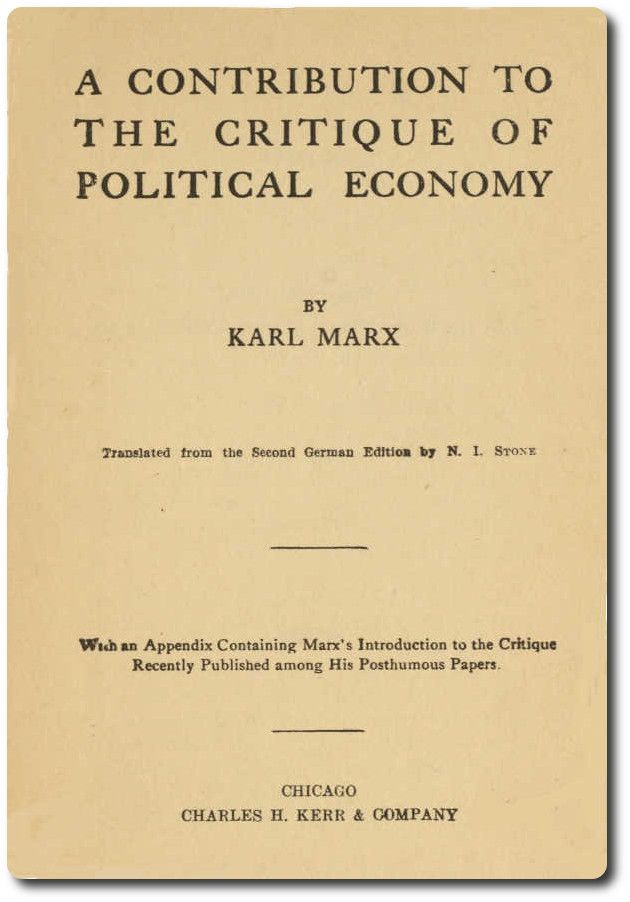 A Contribution to the Critique of Political Economy
by Karl Marx
A Contribution to the Critique of Political Economy
by Karl Marx
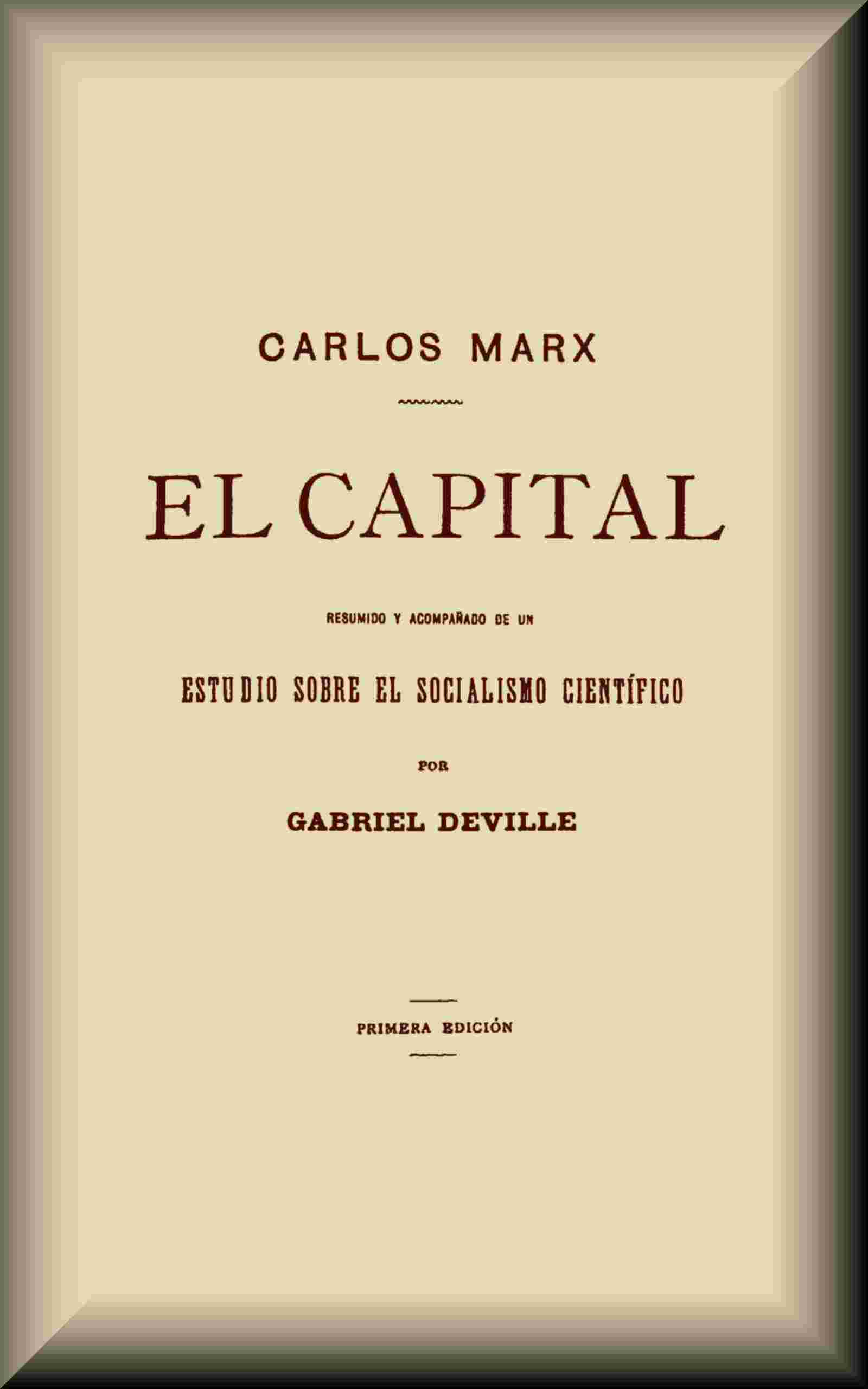 El capital: Resumido y acompañado de un estudio sobre el Socialismo científico
by Karl Marx
El capital: Resumido y acompañado de un estudio sobre el Socialismo científico
by Karl Marx
 Kansalaissota Ranskassa
by Karl Marx
Kansalaissota Ranskassa
by Karl Marx
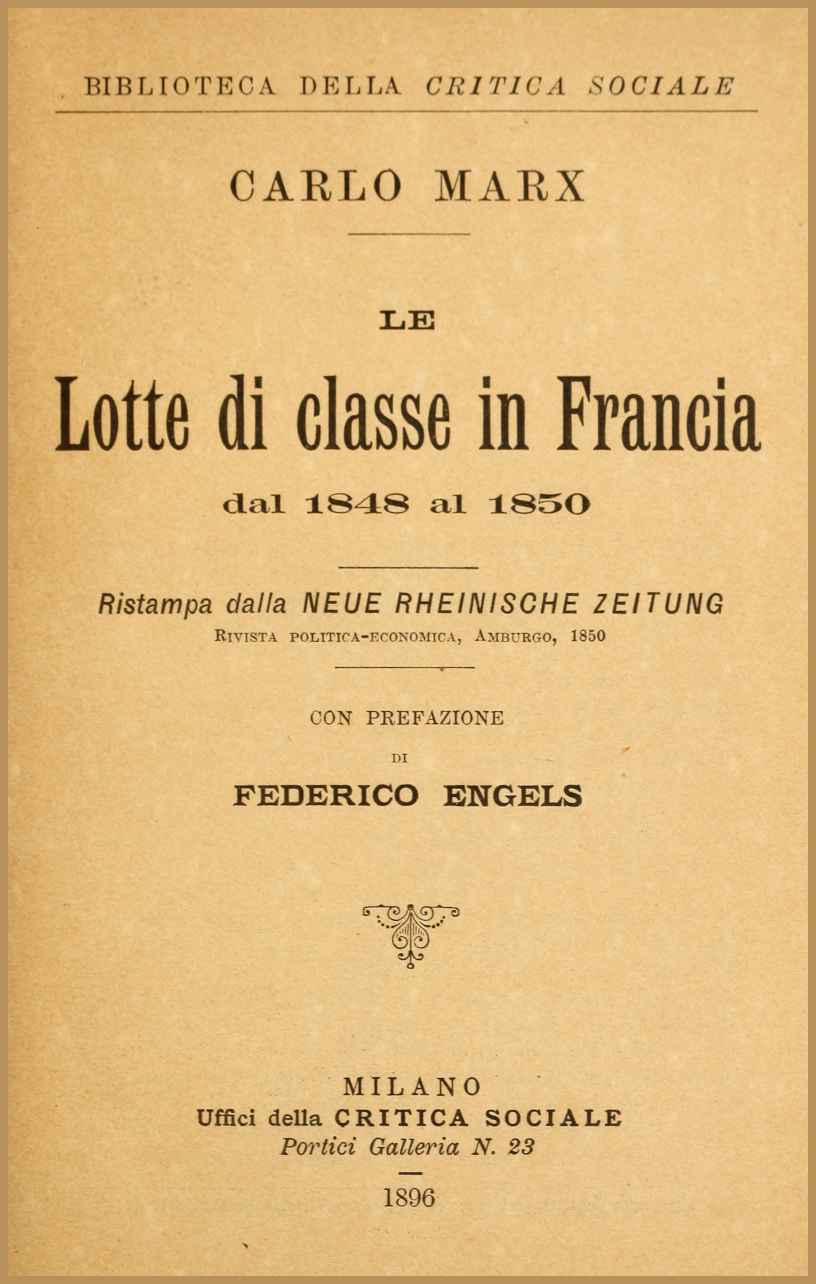 Le lotte di classe in Francia dal 1848 al 1850
by Karl Marx
Le lotte di classe in Francia dal 1848 al 1850
by Karl Marx
 Manifesto of the Communist Party
by Karl Marx
Manifesto of the Communist Party
by Karl Marx
 Secret Diplomatic History of The Eighteenth Century
by Karl Marx
Secret Diplomatic History of The Eighteenth Century
by Karl Marx
You May Also Like
6 picks
 From Libau to Tsushima / A narrative of the voyage of Admiral Rojdestvensky's fleet to eastern seas, including a detailed account of the Dogger Bank incident
by Evgenii Sigizmundovich Politovskii
From Libau to Tsushima / A narrative of the voyage of Admiral Rojdestvensky's fleet to eastern seas, including a detailed account of the Dogger Bank incident
by Evgenii Sigizmundovich Politovskii
 Out To Win: The Story of America in France
by Coningsby Dawson
Out To Win: The Story of America in France
by Coningsby Dawson
 The love of an uncrowned queen
by W. H. Wilkins
The love of an uncrowned queen
by W. H. Wilkins
 A politica intercolonial e internacional e o tratado de Lourenço Marques / Additamento á influencia europea na Africa
by Carlos Testa
A politica intercolonial e internacional e o tratado de Lourenço Marques / Additamento á influencia europea na Africa
by Carlos Testa
 La cathédrale de Strasbourg pendant la Révolution. (1789-1802)
by Rodolphe Reuss
La cathédrale de Strasbourg pendant la Révolution. (1789-1802)
by Rodolphe Reuss
 An Unsinkable Titanic: Every Ship its own Lifeboat
by John Bernard Walker
An Unsinkable Titanic: Every Ship its own Lifeboat
by John Bernard Walker