

About This Book
This work presents a materialist analysis of history and society, arguing that economic modes of production determine political and intellectual life and that human history unfolds through recurring class struggles between exploiting and exploited groups. It describes how capitalist development creates a dominant bourgeoisie and an expanding working class whose exploitation produces periodic crises and transnational economic ties. Communists are depicted as a political tendency that interprets these dynamics, advocates collective ownership of the means of production, and proposes measures to dismantle class privileges while reorganizing production and state institutions. The text culminates in a call for working-class solidarity and revolutionary transformation to end class domination.
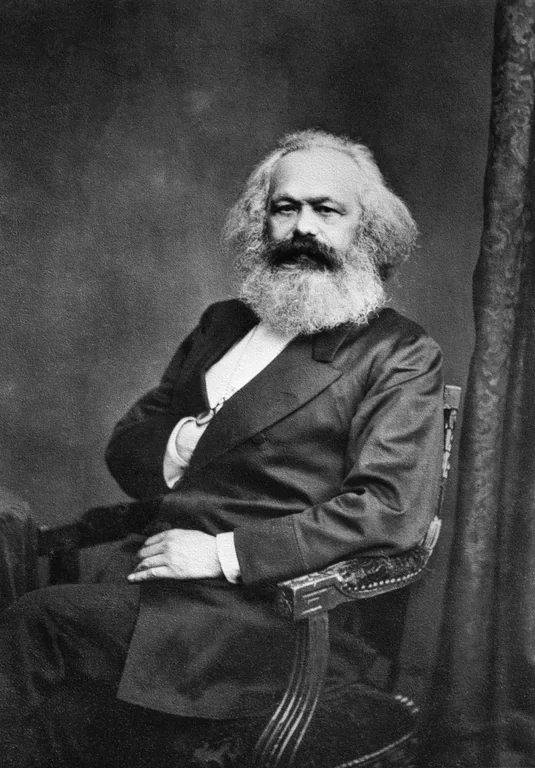
About the Author
More Books by This Author
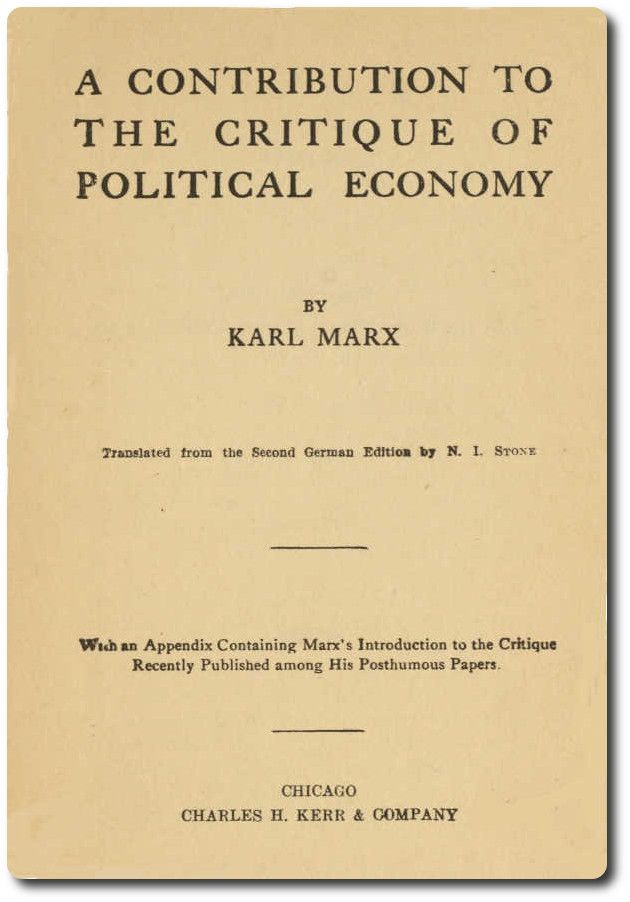 A Contribution to the Critique of Political Economy
by Karl Marx
A Contribution to the Critique of Political Economy
by Karl Marx
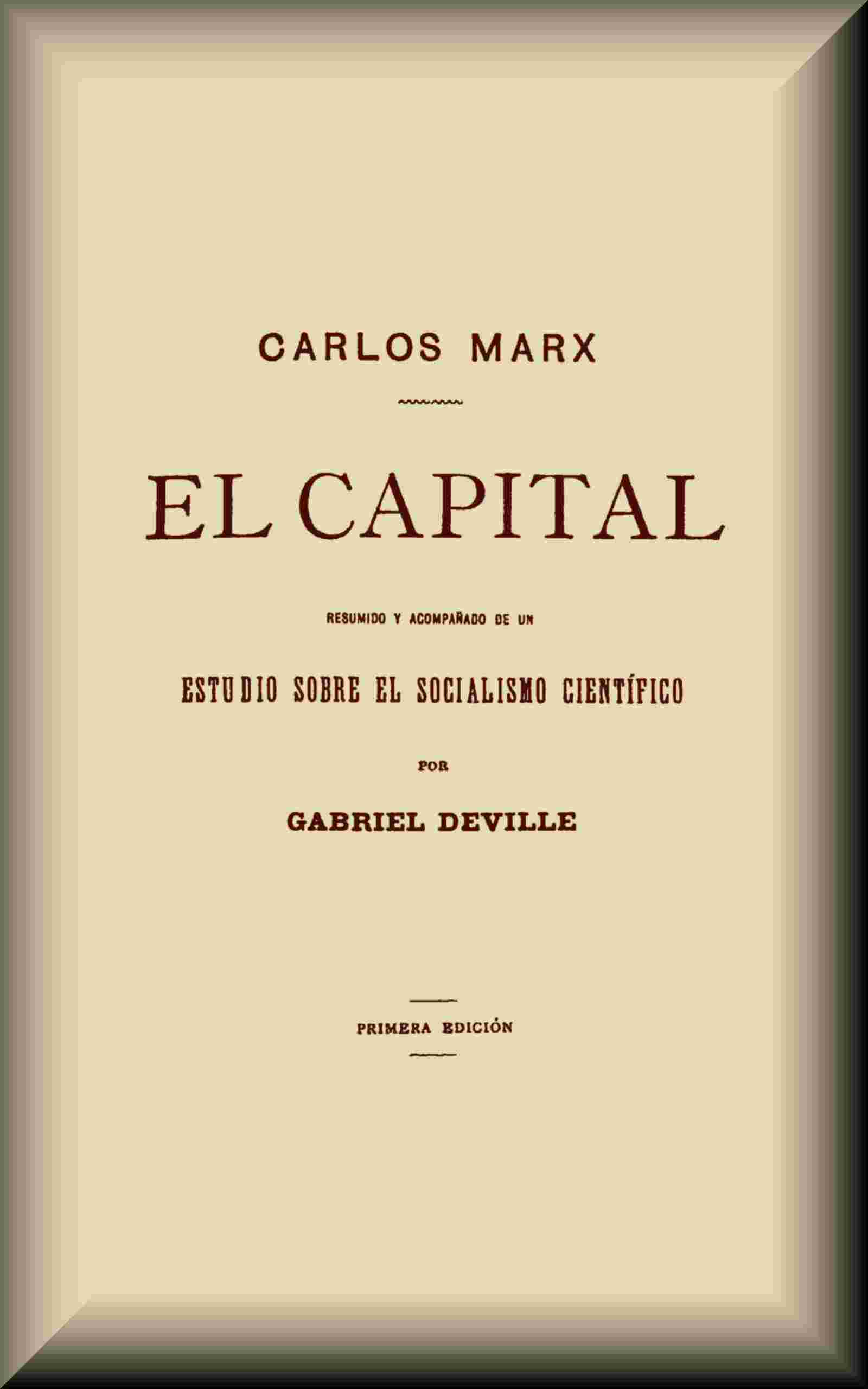 El capital: Resumido y acompañado de un estudio sobre el Socialismo científico
by Karl Marx
El capital: Resumido y acompañado de un estudio sobre el Socialismo científico
by Karl Marx
 Kansalaissota Ranskassa
by Karl Marx
Kansalaissota Ranskassa
by Karl Marx
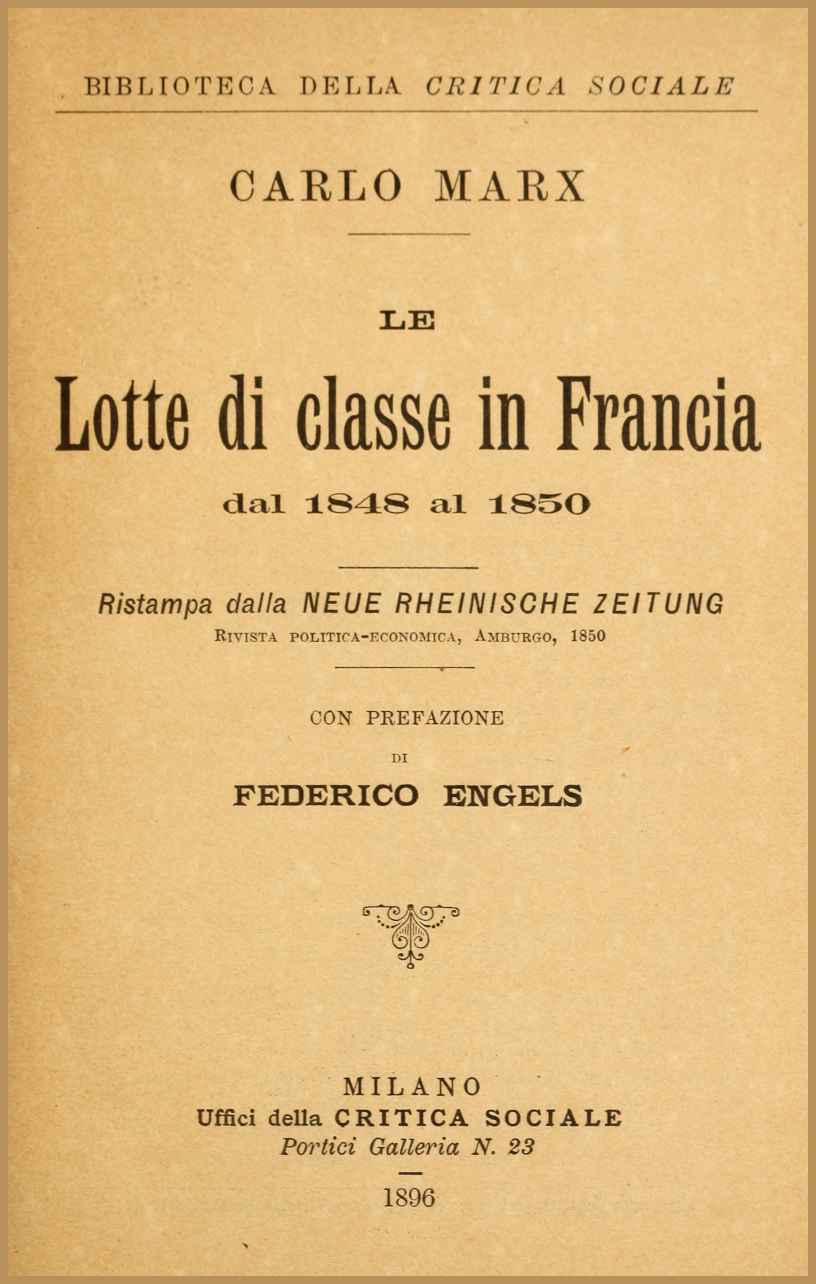 Le lotte di classe in Francia dal 1848 al 1850
by Karl Marx
Le lotte di classe in Francia dal 1848 al 1850
by Karl Marx
 Secret Diplomatic History of The Eighteenth Century
by Karl Marx
Secret Diplomatic History of The Eighteenth Century
by Karl Marx
 The Communist Manifesto
by Karl Marx
The Communist Manifesto
by Karl Marx
You May Also Like
 Money: Speech of Hon. John P. Jones, of Nevada, on the Free Coinage of Silver; in the United States Senate, May 12 and 13, 1890
by John P. Jones
Money: Speech of Hon. John P. Jones, of Nevada, on the Free Coinage of Silver; in the United States Senate, May 12 and 13, 1890
by John P. Jones
 Scrambles Amongst the Alps in the Years 1860-69
by Edward Whymper
Scrambles Amongst the Alps in the Years 1860-69
by Edward Whymper
 À Angora auprès de Mustafa Kemal
by Alaeddine Haïdar
À Angora auprès de Mustafa Kemal
by Alaeddine Haïdar
 Katajainen kansani
by Juhani Aho
Katajainen kansani
by Juhani Aho
 The Irish on the Somme / Being a Second Series of 'The Irish at the Front'
by Michael MacDonagh
The Irish on the Somme / Being a Second Series of 'The Irish at the Front'
by Michael MacDonagh
 Nearest the Pole / a narrative of the polar expedition of the Peary Arctic Club in the S.S. Roosevelt, 1905-1906
by Robert E. Peary
Nearest the Pole / a narrative of the polar expedition of the Peary Arctic Club in the S.S. Roosevelt, 1905-1906
by Robert E. Peary