
About This Book
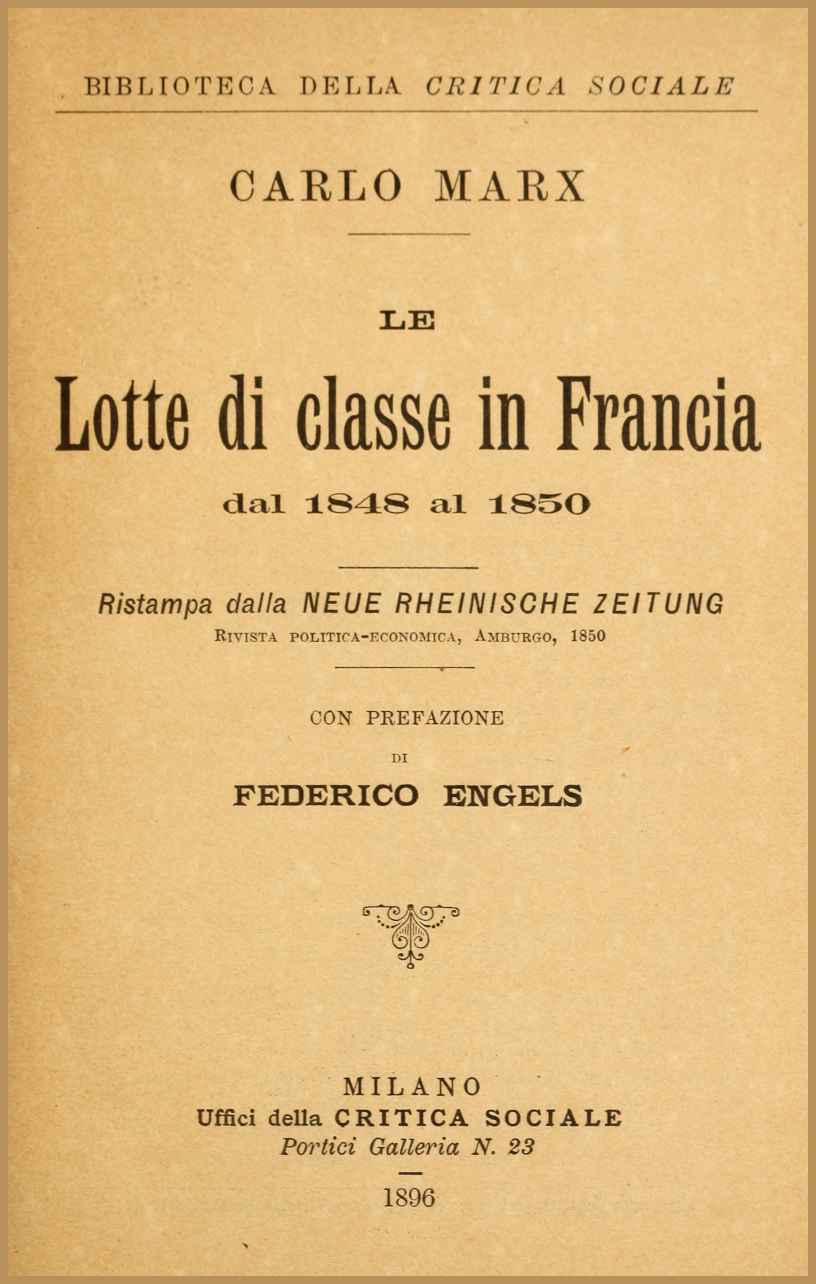
The essays apply a materialist analysis to the political upheavals in France between 1848 and 1850, tracing how underlying economic conditions shaped party alignments and conflicts. They argue that a pre‑revolutionary commercial crisis precipitated the February–March uprisings while a subsequent industrial recovery sustained conservative reaction. Political factions are treated as expressions of class and class fractions, and proletarian demands such as the right to work are shown to point toward collective control of capital and the means of production and the abolition of wage labor. The account notes methodological limits imposed by incomplete contemporary economic statistics while assembling a synthetic causal narrative.
About the Author
More Books by This Author
6 picks
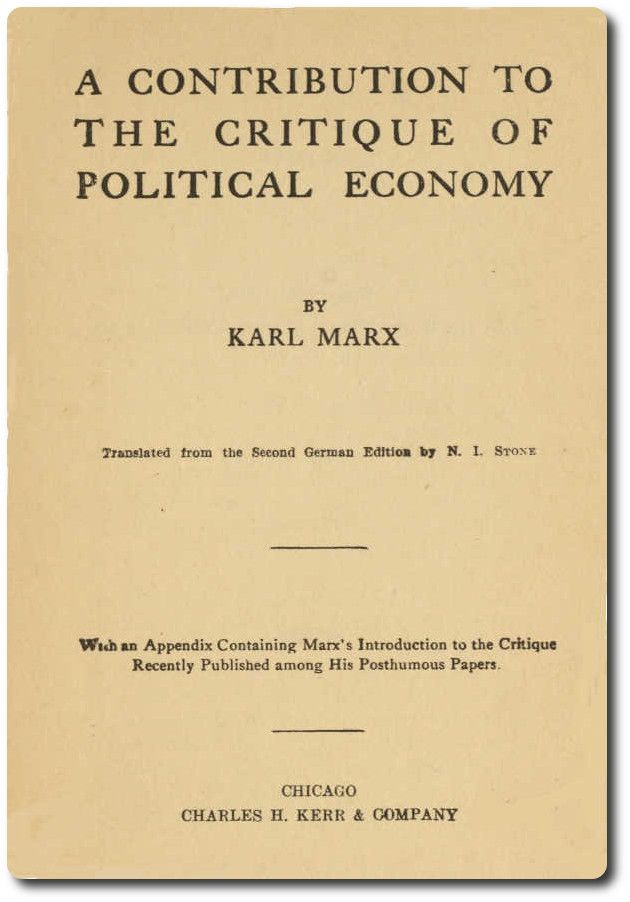 A Contribution to the Critique of Political Economy
by Karl Marx
A Contribution to the Critique of Political Economy
by Karl Marx
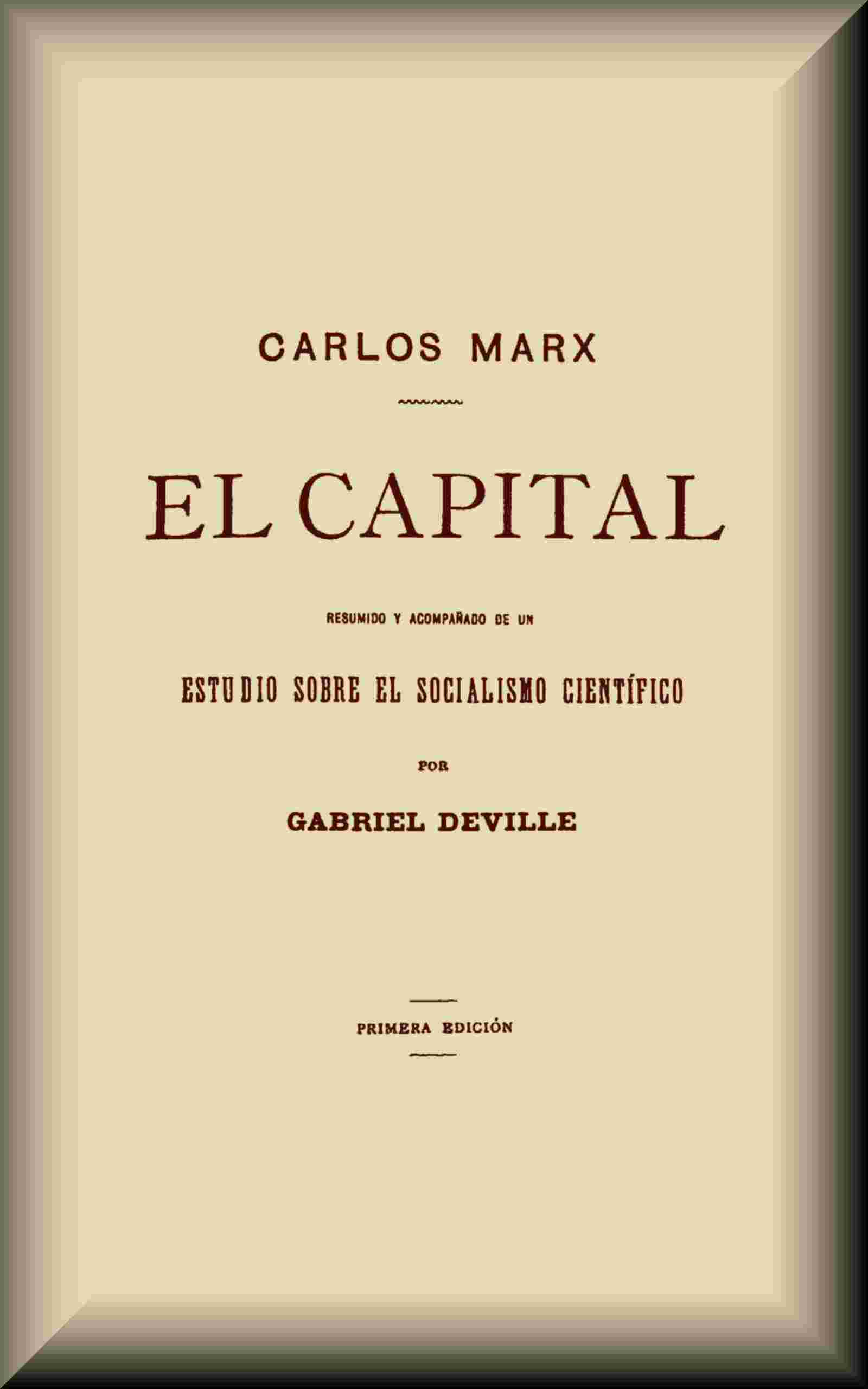 El capital: Resumido y acompañado de un estudio sobre el Socialismo científico
by Karl Marx
El capital: Resumido y acompañado de un estudio sobre el Socialismo científico
by Karl Marx
 Kansalaissota Ranskassa
by Karl Marx
Kansalaissota Ranskassa
by Karl Marx
 Manifesto of the Communist Party
by Karl Marx
Manifesto of the Communist Party
by Karl Marx
 Secret Diplomatic History of The Eighteenth Century
by Karl Marx
Secret Diplomatic History of The Eighteenth Century
by Karl Marx
 The Communist Manifesto
by Karl Marx
The Communist Manifesto
by Karl Marx
You May Also Like
6 picks
 Sutherland and Caithness in Saga-Time; or, The Jarls and The Freskyns
by James Gray
Sutherland and Caithness in Saga-Time; or, The Jarls and The Freskyns
by James Gray
 Principles of Freedom
by Terence J. MacSwiney
Principles of Freedom
by Terence J. MacSwiney
 Main Currents in Nineteenth Century Literature - 6. Young Germany
by Georg Brandes
Main Currents in Nineteenth Century Literature - 6. Young Germany
by Georg Brandes
 Paris under the Commune / The Seventy-Three Days of the Second Siege; with Numerous Illustrations, Sketches Taken on the Spot, and Portraits (from the Original Photographs)
by John Leighton
Paris under the Commune / The Seventy-Three Days of the Second Siege; with Numerous Illustrations, Sketches Taken on the Spot, and Portraits (from the Original Photographs)
by John Leighton
 La femme française dans les temps modernes
by Clarisse Bader
La femme française dans les temps modernes
by Clarisse Bader
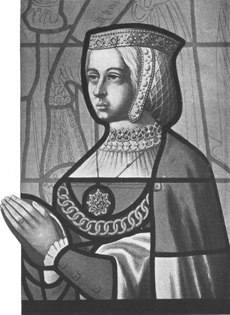 The First Governess of the Netherlands, Margaret of Austria
by Eleanor E. Tremayne
The First Governess of the Netherlands, Margaret of Austria
by Eleanor E. Tremayne