

About This Book
A political pamphlet asserts that the history of societies consists of class struggle and that capitalism has concentrated social life into two antagonistic classes, the bourgeoisie and the proletariat. It traces the bourgeoisie’s rise through commerce, industrialization, and the expansion of world markets, and explains how capitalist production reshapes social relations into market transactions while constantly revolutionizing production. It presents communist aims and tactics: defending proletarian interests, advocating collective ownership of the means of production, and promoting international working-class organization. It critiques other socialist tendencies and outlines how communists relate to existing opposition parties, urging an open declaration of goals.
About the Author
More Books by This Author
 A Contribution to the Critique of Political Economy
by Karl Marx
A Contribution to the Critique of Political Economy
by Karl Marx
 El capital: Resumido y acompañado de un estudio sobre el Socialismo científico
by Karl Marx
El capital: Resumido y acompañado de un estudio sobre el Socialismo científico
by Karl Marx
 Kansalaissota Ranskassa
by Karl Marx
Kansalaissota Ranskassa
by Karl Marx
 Le lotte di classe in Francia dal 1848 al 1850
by Karl Marx
Le lotte di classe in Francia dal 1848 al 1850
by Karl Marx
 Manifesto of the Communist Party
by Karl Marx
Manifesto of the Communist Party
by Karl Marx
 Secret Diplomatic History of The Eighteenth Century
by Karl Marx
Secret Diplomatic History of The Eighteenth Century
by Karl Marx
You May Also Like
 De l'Allemagne; t.1
by Madame de Staël
De l'Allemagne; t.1
by Madame de Staël
 Nuggets of the New Thought: Several Things That Have Helped People
by William Walker Atkinson
Nuggets of the New Thought: Several Things That Have Helped People
by William Walker Atkinson
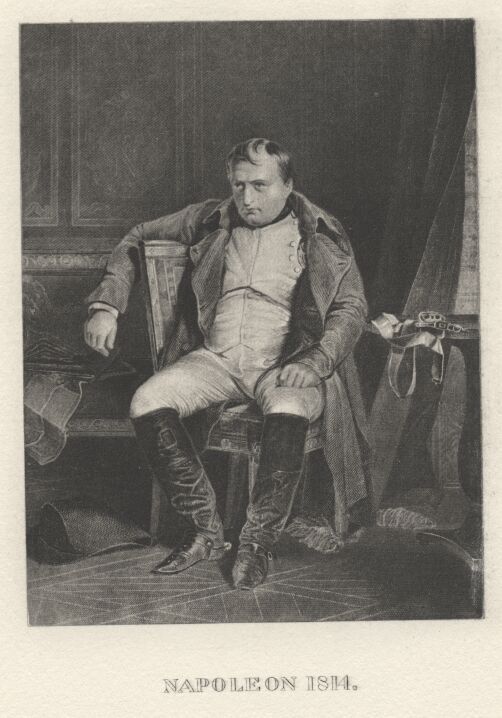 Recollections of the Private Life of Napoleon — Complete
by Louis Constant Wairy
Recollections of the Private Life of Napoleon — Complete
by Louis Constant Wairy
 The Doré Lectures / Being Sunday addresses at the Doré Gallery, London, given in connection with the Higher Thought Centre
by T. Troward
The Doré Lectures / Being Sunday addresses at the Doré Gallery, London, given in connection with the Higher Thought Centre
by T. Troward
 Narrative of the surveying voyages of His Majesty's ships Adventure and Beagle, between the years 1826 and 1836. Volume I. Proceedings of the First Expedition, 1826-1830
by Robert Fitzroy
Narrative of the surveying voyages of His Majesty's ships Adventure and Beagle, between the years 1826 and 1836. Volume I. Proceedings of the First Expedition, 1826-1830
by Robert Fitzroy
 The Story of Cole Younger, by Himself
by Cole Younger
The Story of Cole Younger, by Himself
by Cole Younger