
The Christmas Banquet (From "Mosses from an Old Manse")
Explore more books like this:
About This Book
An eccentric will endows an annual Christmas banquet for ten of the most miserable people, and two somber stewards select guests and stage a funerallike feast complete with cypress, a sepulchral urn, and a skeleton as a grim emblem. The invited company embodies diverse dispositions of sorrow and lack—gentle despondency, a man who advertises his emotional wounds, hypochondria, accumulated misanthropy, an earnest but unrecognized idealist, an aging former gallant, a distressed poet, and a melancholic simpleton—each presenting a different mechanism of inner vacancy. The gathering stages human discontent as a temperamental and perceptual condition that resists external consolation.
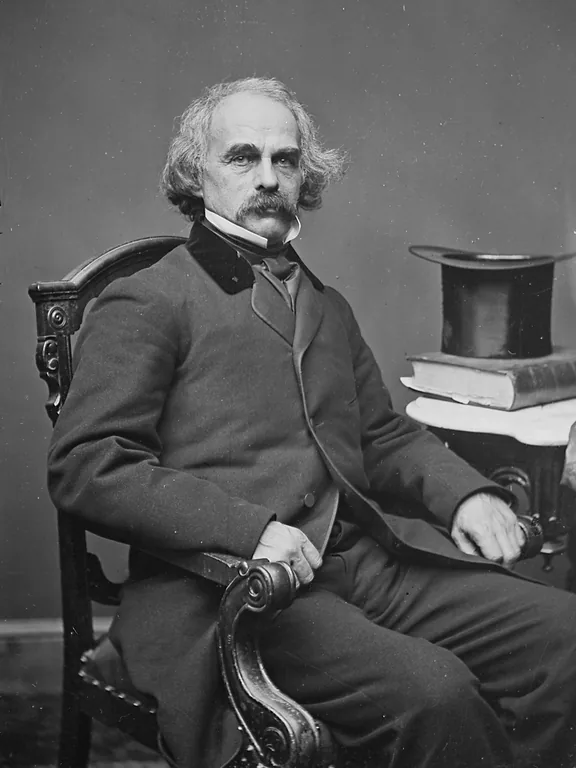
About the Author
More Books by This Author
6 picks
 "Browne's Folly" / (From: "The Doliver Romance and Other Pieces: Tales and Sketches")
by Nathaniel Hawthorne
"Browne's Folly" / (From: "The Doliver Romance and Other Pieces: Tales and Sketches")
by Nathaniel Hawthorne
 A Bell's Biography
by Nathaniel Hawthorne
A Bell's Biography
by Nathaniel Hawthorne
 A Book of Autographs
by Nathaniel Hawthorne
A Book of Autographs
by Nathaniel Hawthorne
 A Rill from the Town Pump
by Nathaniel Hawthorne
A Rill from the Town Pump
by Nathaniel Hawthorne
 A Select Party
by Nathaniel Hawthorne
A Select Party
by Nathaniel Hawthorne
 A Virtuoso's Collection (From "Mosses from an Old Manse")
by Nathaniel Hawthorne
A Virtuoso's Collection (From "Mosses from an Old Manse")
by Nathaniel Hawthorne
You May Also Like
6 picks
 Unfinished Portraits: Stories of Musicians and Artists
by Jennette Lee
Unfinished Portraits: Stories of Musicians and Artists
by Jennette Lee
 The bridge of San Luis Rey
by Thornton Wilder
The bridge of San Luis Rey
by Thornton Wilder
 The Tobacco Tiller: A Tale of the Kentucky Tobacco Fields
by Sarah Bell Hackley
The Tobacco Tiller: A Tale of the Kentucky Tobacco Fields
by Sarah Bell Hackley
 Quelques créatures de ce temps
by Edmond de Goncourt
Quelques créatures de ce temps
by Edmond de Goncourt
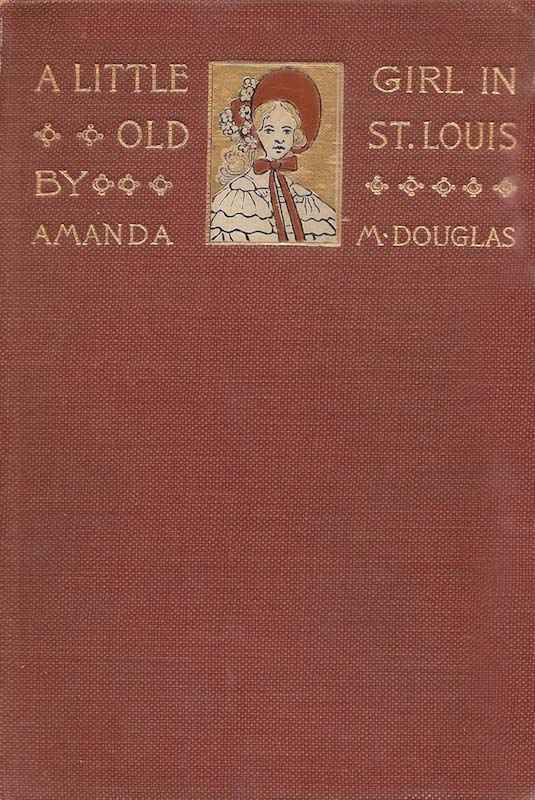 A Little Girl in Old St. Louis
by Amanda M. Douglas
A Little Girl in Old St. Louis
by Amanda M. Douglas
 Aces Up
by Covington Clarke
Aces Up
by Covington Clarke