

The Banquet (Il Convito)
The work stitches together lyric poems and extended philosophical commentaries that argue that the human desire for knowledge mirrors a soul's striving toward perfection. It presents a planned sequence of treatises—only a portion completed—that use banquet imagery to teach how literary, scientific, and moral learning elevate ordinary affection into contemplative love and point the intellect Godward. Medieval cosmology and scholastic reasoning provide the framework, with close readings of songs followed by reflective essays on the impediments to study, the duties of friendship, and the ordering of virtues. Overall it urges readers to cultivate intellectual appetite as nourishment for moral and spiritual growth, connecting natural inquiry to divine wisdom.
About This Book
The work stitches together lyric poems and extended philosophical commentaries that argue that the human desire for knowledge mirrors a soul's striving toward perfection. It presents a planned sequence of treatises—only a portion completed—that use banquet imagery to teach how literary, scientific, and moral learning elevate ordinary affection into contemplative love and point the intellect Godward. Medieval cosmology and scholastic reasoning provide the framework, with close readings of songs followed by reflective essays on the impediments to study, the duties of friendship, and the ordering of virtues. Overall it urges readers to cultivate intellectual appetite as nourishment for moral and spiritual growth, connecting natural inquiry to divine wisdom.
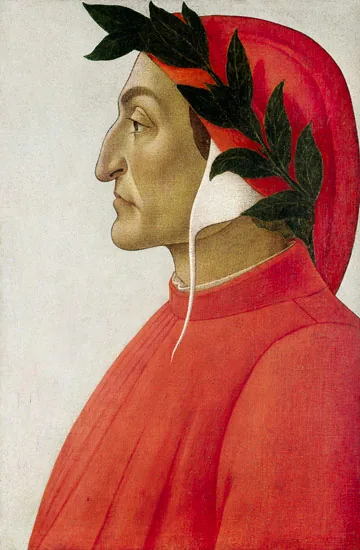
About the Author
More Books by This Author
 Dante's Hel / In proza overgebracht en met een inleiding voorzien
by Dante Alighieri
Dante's Hel / In proza overgebracht en met een inleiding voorzien
by Dante Alighieri
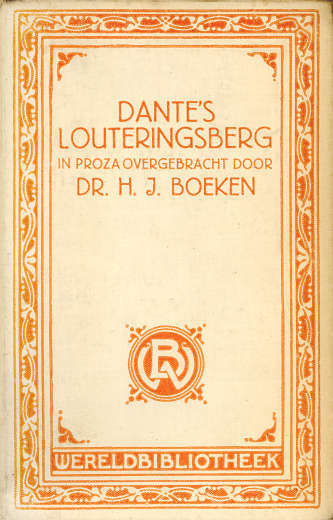 Dante's Louteringsberg / in proza overgebracht
by Dante Alighieri
Dante's Louteringsberg / in proza overgebracht
by Dante Alighieri
 Die Göttliche Komödie
by Dante Alighieri
Die Göttliche Komödie
by Dante Alighieri
 Divina Commedia di Dante: Inferno
by Dante Alighieri
Divina Commedia di Dante: Inferno
by Dante Alighieri
 Divina Commedia di Dante: Paradiso
by Dante Alighieri
Divina Commedia di Dante: Paradiso
by Dante Alighieri
 Divina Commedia di Dante: Purgatorio
by Dante Alighieri
Divina Commedia di Dante: Purgatorio
by Dante Alighieri
You May Also Like
 "About My Father's Business": Work Amidst the Sick, the Sad, and the Sorrowing
by Thomas Archer
"About My Father's Business": Work Amidst the Sick, the Sad, and the Sorrowing
by Thomas Archer
 "Beautiful Thoughts"
by Henry Drummond
"Beautiful Thoughts"
by Henry Drummond
 "Bethink Yourselves!"
by graf Leo Tolstoy
"Bethink Yourselves!"
by graf Leo Tolstoy
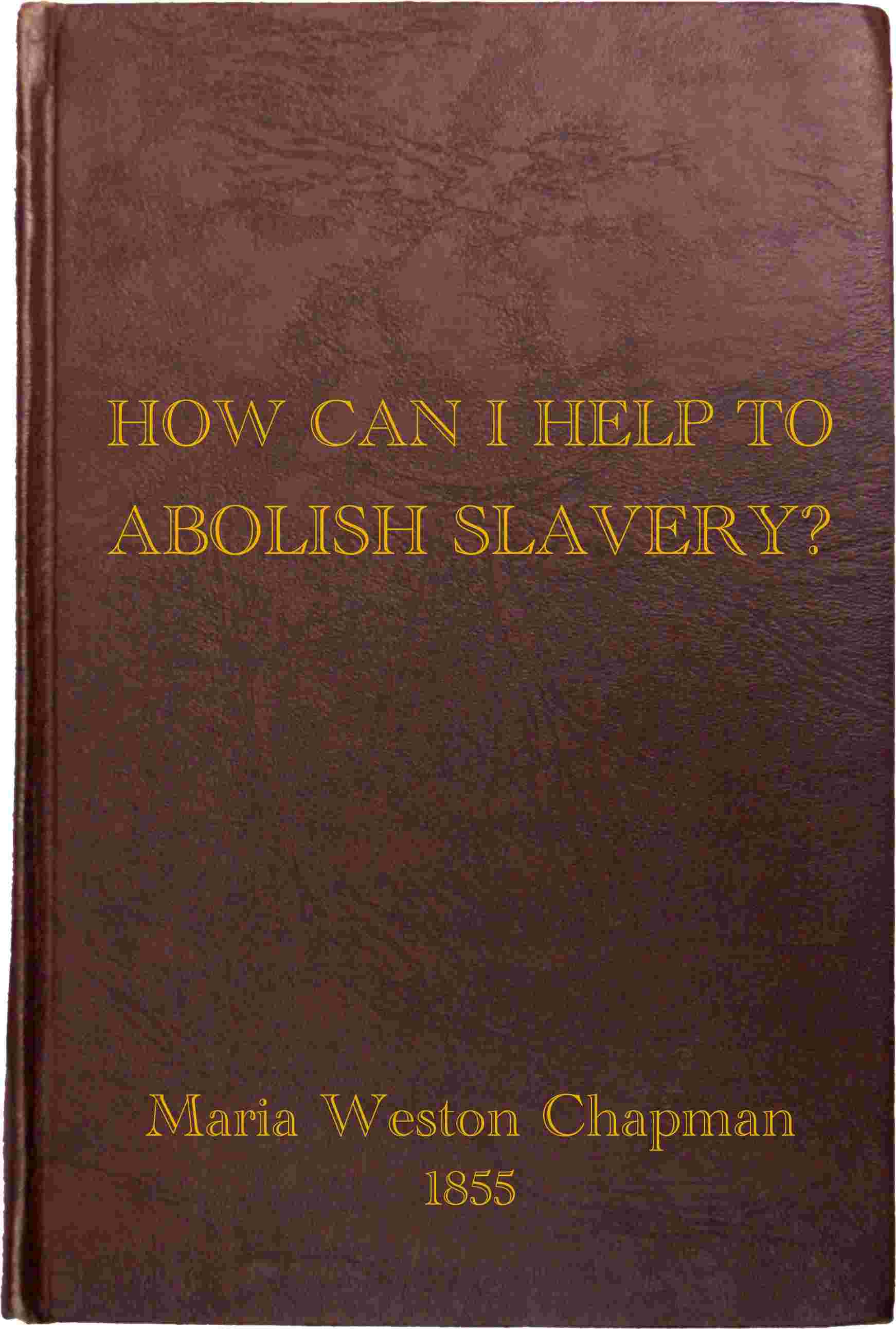 "How Can I Help to Abolish Slavery?" or, Counsels to the Newly Converted
by Maria Weston Chapman
"How Can I Help to Abolish Slavery?" or, Counsels to the Newly Converted
by Maria Weston Chapman
 "I Believe" and other essays
by Guy Thorne
"I Believe" and other essays
by Guy Thorne
 "Imperialism" and "The Tracks of Our Forefathers"
by Charles Francis Adams
"Imperialism" and "The Tracks of Our Forefathers"
by Charles Francis Adams