

About This Book
A broad survey traces the rapid expansion of physical science and its role in driving industrial production, transport, and communication, which raised living standards and checked famine and disease. It places modern advances in a historical arc from ancient inquiry through medieval interruption to a renewed experimental and mathematical emphasis in the Renaissance and thereafter. Developments in astronomy, mechanics, anatomy, physiology, and chemical classification are outlined alongside the institutional rise of academies and societies. The essay assesses methodological debates, arguing that hypotheses and individual ingenuity complemented systematic methods, and consistently links theoretical progress to practical technologies and social consequences.
About the Author
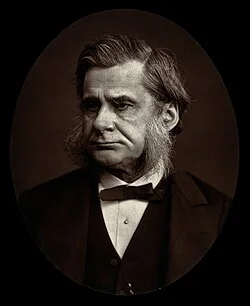
More Books by This Author
 A Critical Examination of the Position of Mr. Darwin's Work, "On the Origin of Species," in Relation to the Complete Theory of the Causes of the Phenomena of Organic Nature / Lecture VI. (of VI.), "Lectures to Working Men", at the Museum of Practical Geology, 1863, on Darwin's Work: "Origin of Species"
by Thomas Henry Huxley
A Critical Examination of the Position of Mr. Darwin's Work, "On the Origin of Species," in Relation to the Complete Theory of the Causes of the Phenomena of Organic Nature / Lecture VI. (of VI.), "Lectures to Working Men", at the Museum of Practical Geology, 1863, on Darwin's Work: "Origin of Species"
by Thomas Henry Huxley
 American Addresses, with a Lecture on the Study of Biology
by Thomas Henry Huxley
American Addresses, with a Lecture on the Study of Biology
by Thomas Henry Huxley
 Aphorisms and Reflections from the works of T. H. Huxley
by Thomas Henry Huxley
Aphorisms and Reflections from the works of T. H. Huxley
by Thomas Henry Huxley
 Autobiography and Selected Essays
by Thomas Henry Huxley
Autobiography and Selected Essays
by Thomas Henry Huxley
 Collected Essays, Volume V / Science and Christian Tradition: Essays
by Thomas Henry Huxley
Collected Essays, Volume V / Science and Christian Tradition: Essays
by Thomas Henry Huxley
 Coral and Coral Reefs
by Thomas Henry Huxley
Coral and Coral Reefs
by Thomas Henry Huxley
You May Also Like
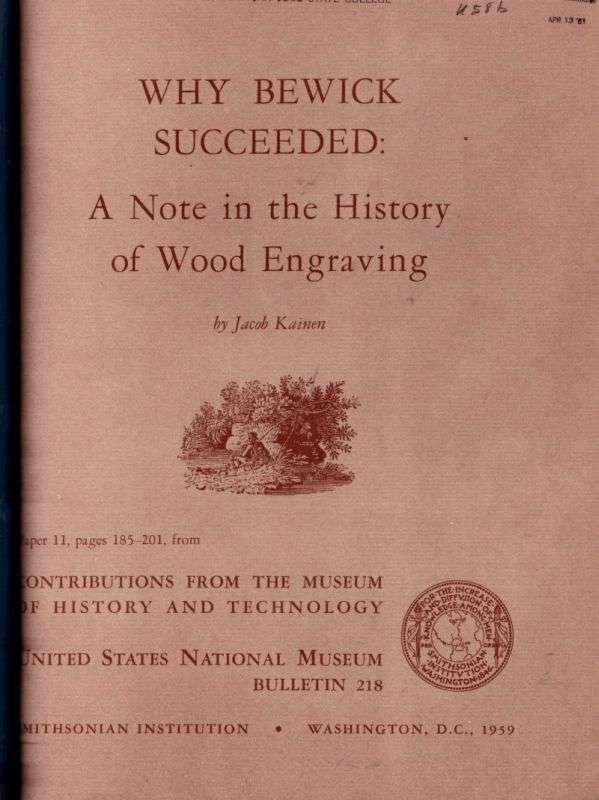 Why Bewick Succeeded: A Note in the History of Wood Engraving
by Jacob Kainen
Why Bewick Succeeded: A Note in the History of Wood Engraving
by Jacob Kainen
 Narrative of Mr. John Dodge during his Captivity at Detroit
by John Dodge
Narrative of Mr. John Dodge during his Captivity at Detroit
by John Dodge
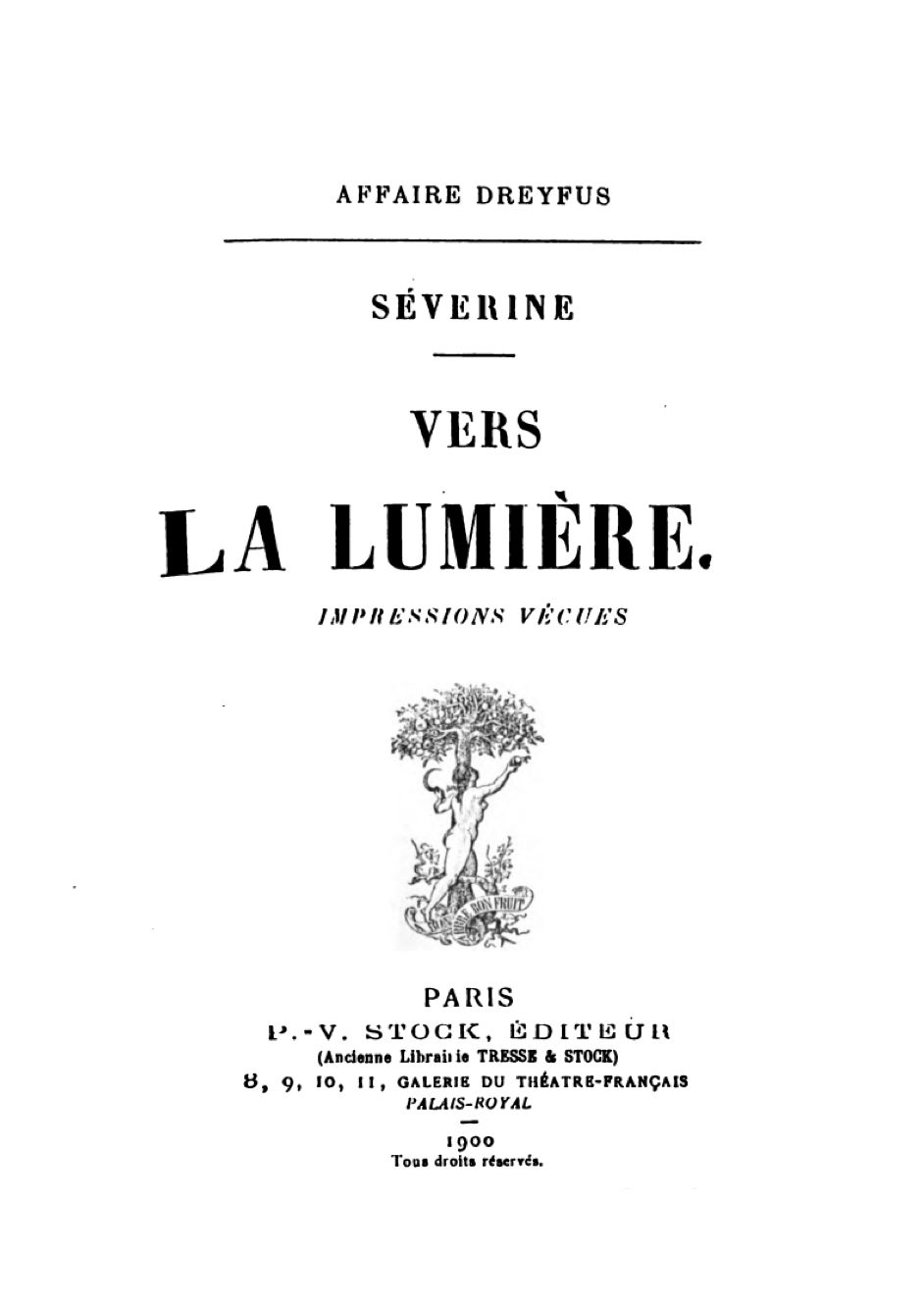 Vers la lumière... impressions vécues
by Séverine
Vers la lumière... impressions vécues
by Séverine
 East of Suez / Ceylon, India, China and Japan
by Frederic Courtland Penfield
East of Suez / Ceylon, India, China and Japan
by Frederic Courtland Penfield
 The History of the Rise, Progress and Accomplishment of the Abolition of the African Slave-Trade, by the British Parliament (1839)
by Thomas Clarkson
The History of the Rise, Progress and Accomplishment of the Abolition of the African Slave-Trade, by the British Parliament (1839)
by Thomas Clarkson
 Fanny goes to war
by Pat Beauchamp Washington
Fanny goes to war
by Pat Beauchamp Washington