
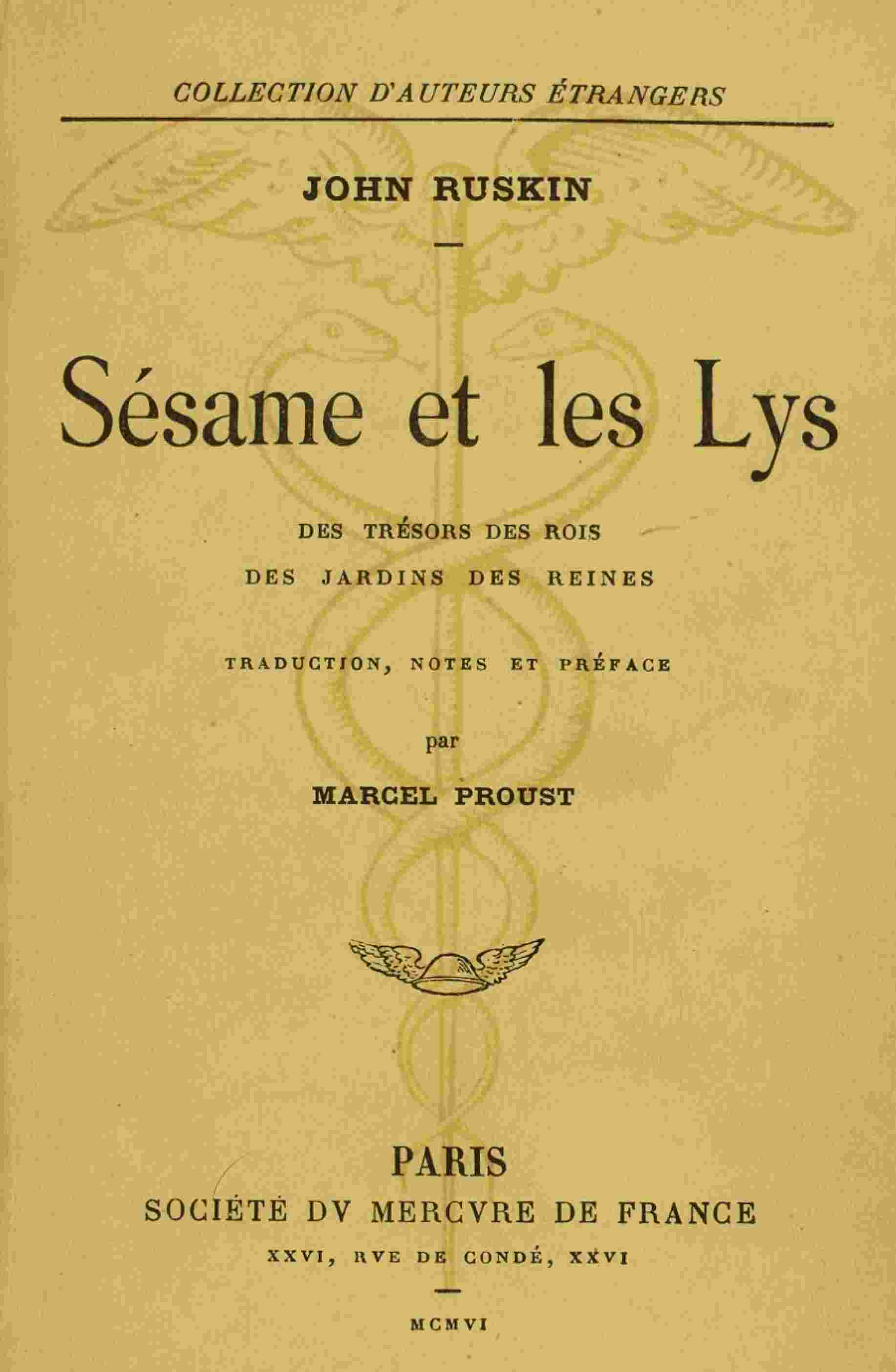
Sésame et les lys: des trésors des rois, des jardins des reines
Explore more books like this:
About This Book
The volume opens with a reflective preface on the habits and pleasures of reading, then presents two connected essays arguing for conscientious selection of literature and for the cultivation of taste and moral character. One essay considers how books and decorative arts function as repositories of knowledge and authority, urging readers, educational institutions, and publishers to value sincerity and instructive art; the other examines domestic culture and the formative influence of women, discussing education, manners, and reading as means to shape household life and social conduct. Throughout the prose combines critical observation, prescriptive argument, and aesthetic judgment.
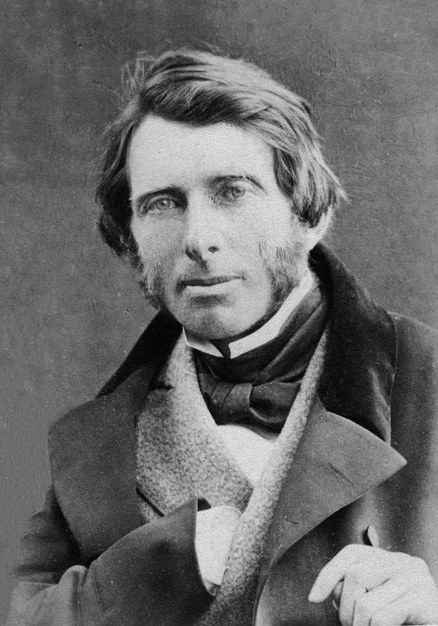
About the Author
More Books by This Author
6 picks
 "Præterita": souvenirs de jeunesse
by John Ruskin
"Præterita": souvenirs de jeunesse
by John Ruskin
 A Joy For Ever (and Its Price in the Market)
by John Ruskin
A Joy For Ever (and Its Price in the Market)
by John Ruskin
 Aratra Pentelici, Seven Lectures on the Elements of Sculpture / Given before the University of Oxford in Michaelmas Term, 1870
by John Ruskin
Aratra Pentelici, Seven Lectures on the Elements of Sculpture / Given before the University of Oxford in Michaelmas Term, 1870
by John Ruskin
 Ariadne Florentina: Six Lectures on Wood and Metal Engraving
by John Ruskin
Ariadne Florentina: Six Lectures on Wood and Metal Engraving
by John Ruskin
 Fors Clavigera (Volume 6 of 8) /
by John Ruskin
Fors Clavigera (Volume 6 of 8) /
by John Ruskin
 Giotto and his works in Padua / An Explanatory Notice of the Series of Woodcuts Executed for the Arundel Society After the Frescoes in the Arena Chapel
by John Ruskin
Giotto and his works in Padua / An Explanatory Notice of the Series of Woodcuts Executed for the Arundel Society After the Frescoes in the Arena Chapel
by John Ruskin
You May Also Like
6 picks
 Aphorismen zur Lebensweisheit
by Arthur Schopenhauer
Aphorismen zur Lebensweisheit
by Arthur Schopenhauer
 The cynic's breviary: Maxims and anecdotes from Nicolas de Chamfort
by Sébastien-Roch-Nicolas Chamfort
The cynic's breviary: Maxims and anecdotes from Nicolas de Chamfort
by Sébastien-Roch-Nicolas Chamfort
 Born Again
by Alfred W. Lawson
Born Again
by Alfred W. Lawson
 Un hollandais à Paris en 1891: Sensations de littérature et d'art
by W. G. C. Byvanck
Un hollandais à Paris en 1891: Sensations de littérature et d'art
by W. G. C. Byvanck
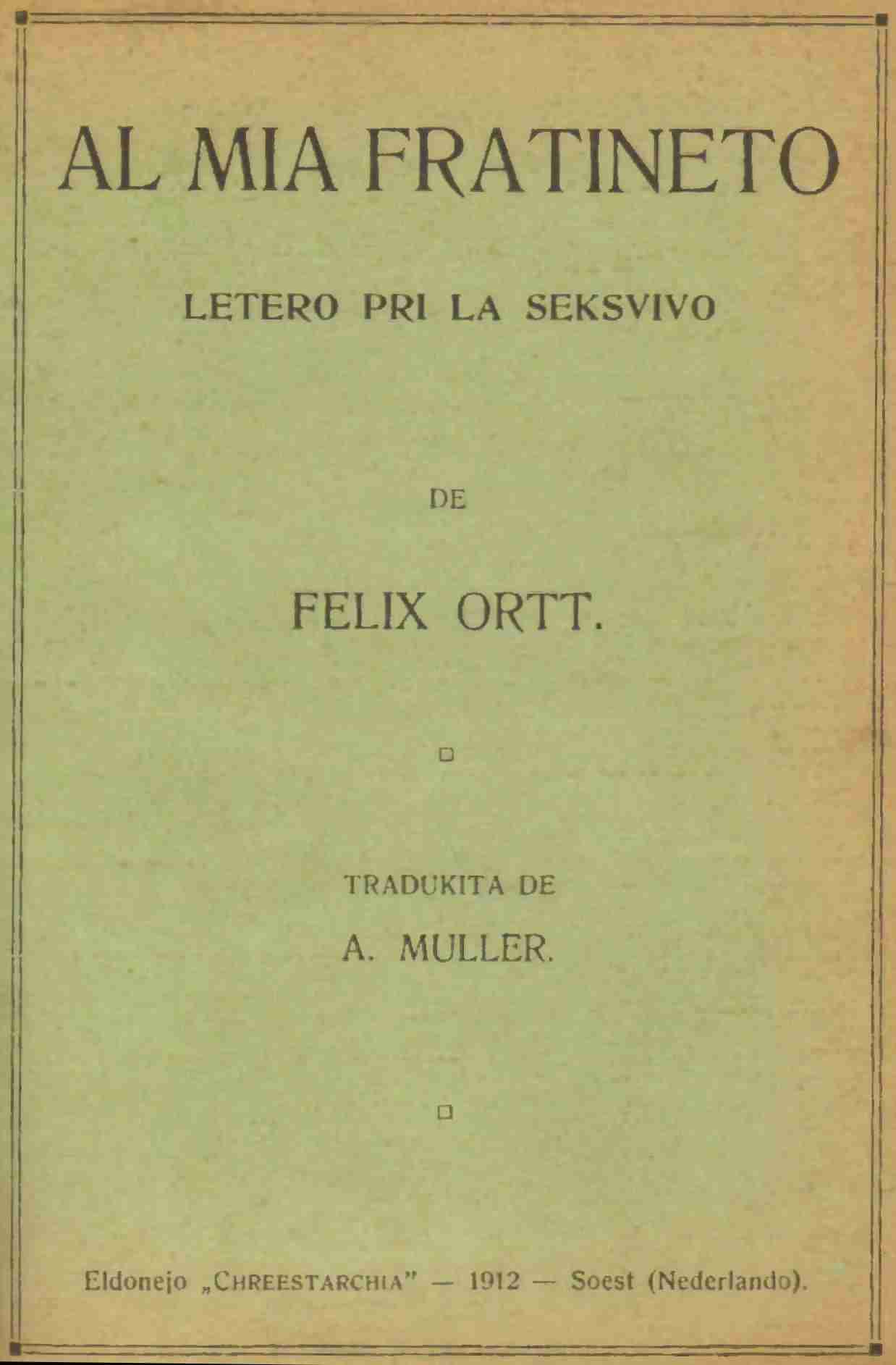 Al mia fratineto: Letero pri la seksvivo
by Felix Ortt
Al mia fratineto: Letero pri la seksvivo
by Felix Ortt
 A Belated Guest (from Literary Friends and Acquaintance)
by William Dean Howells
A Belated Guest (from Literary Friends and Acquaintance)
by William Dean Howells