
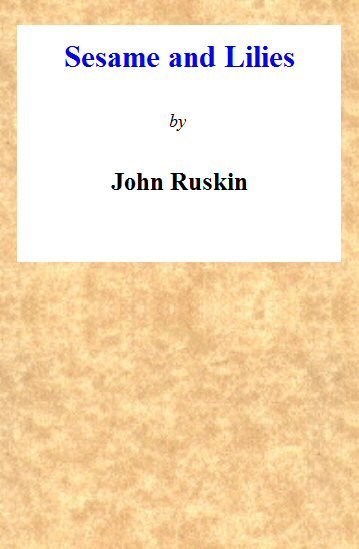
About This Book
A set of essays and lectures advocates for the moral and educational power of books and teaching, urging careful, literal reading to recover an author's thought and humility about personal judgment. The author argues that true understanding combines intellectual clarity with passionate feeling, and that teachers who withhold truth or aid betray their duty and harm themselves. A linked essay examines the role and education of women, recommending robust physical training, active usefulness, and cultivation of moral sensibility. Throughout, reflections on art, literature, and public duty weave together critical observation, practical advice, and ethical exhortation.
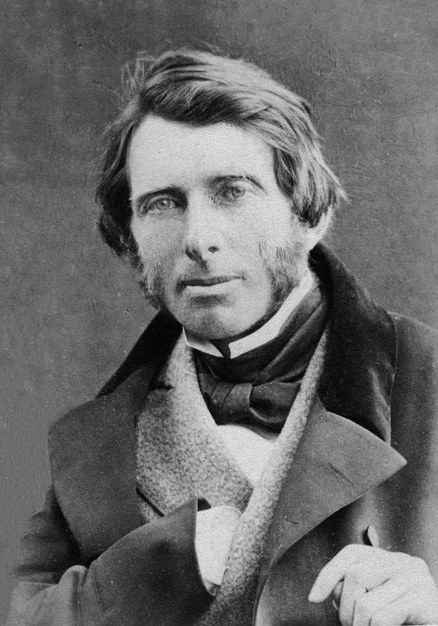
About the Author
More Books by This Author
6 picks
 "Præterita": souvenirs de jeunesse
by John Ruskin
"Præterita": souvenirs de jeunesse
by John Ruskin
 A Joy For Ever (and Its Price in the Market)
by John Ruskin
A Joy For Ever (and Its Price in the Market)
by John Ruskin
 Aratra Pentelici, Seven Lectures on the Elements of Sculpture / Given before the University of Oxford in Michaelmas Term, 1870
by John Ruskin
Aratra Pentelici, Seven Lectures on the Elements of Sculpture / Given before the University of Oxford in Michaelmas Term, 1870
by John Ruskin
 Ariadne Florentina: Six Lectures on Wood and Metal Engraving
by John Ruskin
Ariadne Florentina: Six Lectures on Wood and Metal Engraving
by John Ruskin
 Fors Clavigera (Volume 6 of 8) /
by John Ruskin
Fors Clavigera (Volume 6 of 8) /
by John Ruskin
 Giotto and his works in Padua / An Explanatory Notice of the Series of Woodcuts Executed for the Arundel Society After the Frescoes in the Arena Chapel
by John Ruskin
Giotto and his works in Padua / An Explanatory Notice of the Series of Woodcuts Executed for the Arundel Society After the Frescoes in the Arena Chapel
by John Ruskin
You May Also Like
6 picks
 On Everything
by Hilaire Belloc
On Everything
by Hilaire Belloc
 The New Warden
by Mrs. David G. Ritchie
The New Warden
by Mrs. David G. Ritchie
 Filosofiset mietelmät
by Francis Bacon
Filosofiset mietelmät
by Francis Bacon
 Speeches at the Constitutional Convention / With the Right of Suffrage Passed by the Constitutional Convention
by Robert Smalls
Speeches at the Constitutional Convention / With the Right of Suffrage Passed by the Constitutional Convention
by Robert Smalls
 Siddhartha: A Poem of India
by Hermann Hesse
Siddhartha: A Poem of India
by Hermann Hesse
 The Friendly Club and Other Portraits
by Francis Parsons
The Friendly Club and Other Portraits
by Francis Parsons