
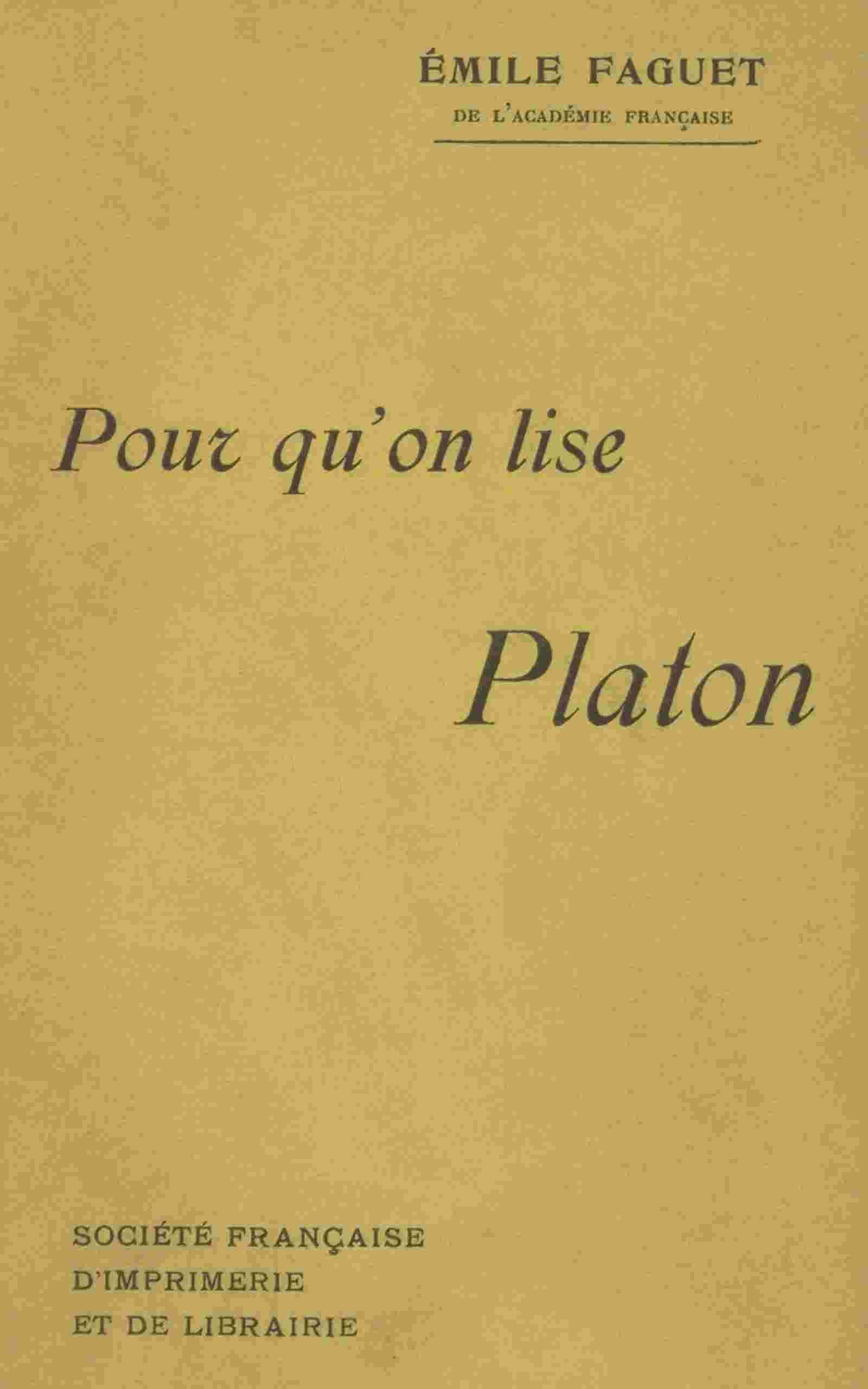
Pour qu'on lise Platon
About This Book
The essay contends that Plato has become chiefly a schoolroom presence, known indirectly through courses and manuals and therefore neglected by general readers. It examines how academic canonization can transform admiration into omission. The author analyzes stylistic and philosophical obstacles: extreme length, repeated conversational digressions, insistently minute dialectic, a maieutic technique that avoids firm conclusions, and recurring tensions or contradictions among dialogues, especially in the Republic. These features both explain readers' impatience and invite a more patient, interpretive approach.
About the Author
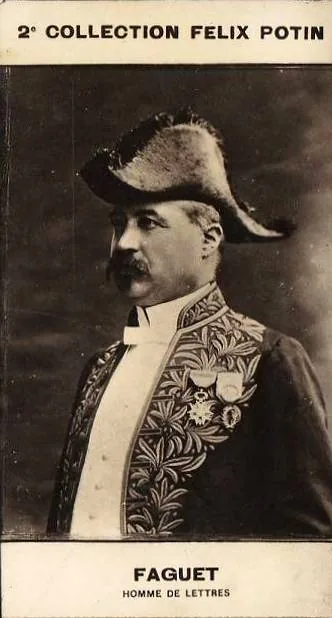
More Books by This Author
6 picks
 "... és a felelősségtől való rettegés"
by Émile Faguet
"... és a felelősségtől való rettegés"
by Émile Faguet
 ... Et l'horreur des responsabilités (suite au Culte de l'incompétence)
by Émile Faguet
... Et l'horreur des responsabilités (suite au Culte de l'incompétence)
by Émile Faguet
 A kontárság kultusza
by Émile Faguet
A kontárság kultusza
by Émile Faguet
 Corneille expliqué aux enfants
by Émile Faguet
Corneille expliqué aux enfants
by Émile Faguet
 Initiation into Literature
by Émile Faguet
Initiation into Literature
by Émile Faguet
 Initiation into Philosophy
by Émile Faguet
Initiation into Philosophy
by Émile Faguet