Passages from the American Notebooks, Volume 2.
A collection of personal notebook entries and private letters that record everyday life, travel, and thoughtful observation: rural scenes and seasonal change, comic and awkward domestic incidents, sketches from communal experiments and farm labor, encounters with neighbors and animals, and meditations on truth, memory, and human character. The short pieces move between lively pastoral anecdote, literary and classical allusion, and concise philosophical asides, forming an intimate, episodic portrait of a reflective writer attending to the peculiar details and small ironies of ordinary existence.
About This Book
A collection of personal notebook entries and private letters that record everyday life, travel, and thoughtful observation: rural scenes and seasonal change, comic and awkward domestic incidents, sketches from communal experiments and farm labor, encounters with neighbors and animals, and meditations on truth, memory, and human character. The short pieces move between lively pastoral anecdote, literary and classical allusion, and concise philosophical asides, forming an intimate, episodic portrait of a reflective writer attending to the peculiar details and small ironies of ordinary existence.
About the Author
More Books by This Author
 "Browne's Folly" / (From: "The Doliver Romance and Other Pieces: Tales and Sketches")
by Nathaniel Hawthorne
"Browne's Folly" / (From: "The Doliver Romance and Other Pieces: Tales and Sketches")
by Nathaniel Hawthorne
 A Bell's Biography
by Nathaniel Hawthorne
A Bell's Biography
by Nathaniel Hawthorne
 A Book of Autographs
by Nathaniel Hawthorne
A Book of Autographs
by Nathaniel Hawthorne
 A Rill from the Town Pump
by Nathaniel Hawthorne
A Rill from the Town Pump
by Nathaniel Hawthorne
 A Select Party
by Nathaniel Hawthorne
A Select Party
by Nathaniel Hawthorne
 A Virtuoso's Collection (From "Mosses from an Old Manse")
by Nathaniel Hawthorne
A Virtuoso's Collection (From "Mosses from an Old Manse")
by Nathaniel Hawthorne
You May Also Like
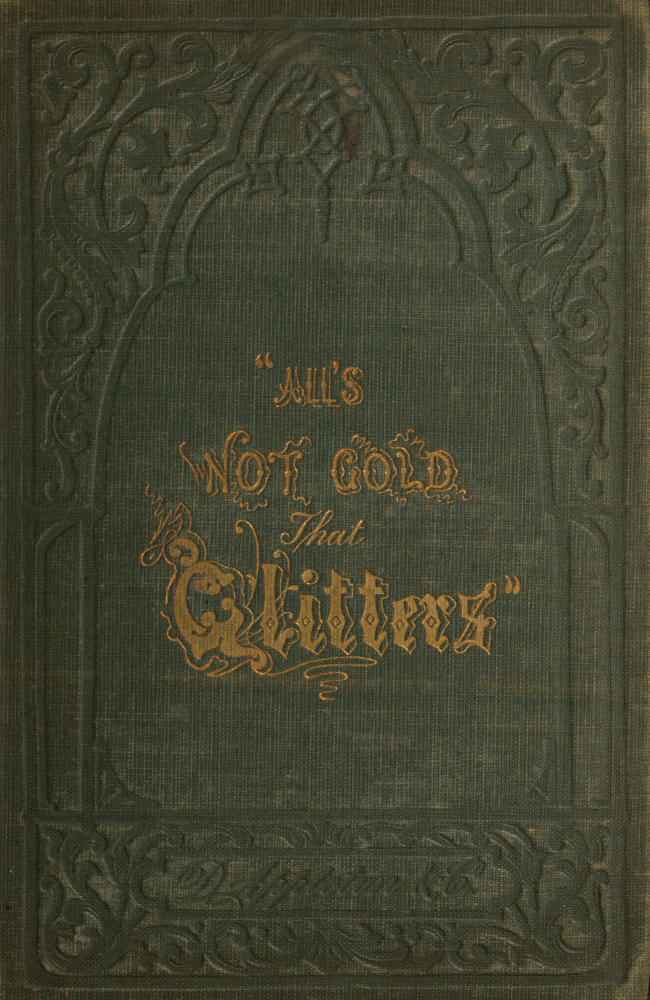 "All's not Gold that Glitters;" or, The Young Californian
by Alice B. Haven
"All's not Gold that Glitters;" or, The Young Californian
by Alice B. Haven
 "Bring Me His Ears"
by Clarence Edward Mulford
"Browne's Folly" / (From: "The Doliver Romance and Other Pieces: Tales and Sketches")
by Nathaniel Hawthorne
"Bring Me His Ears"
by Clarence Edward Mulford
"Browne's Folly" / (From: "The Doliver Romance and Other Pieces: Tales and Sketches")
by Nathaniel Hawthorne
 "Forward, March": A Tale of the Spanish-American War
by Kirk Munroe
"Forward, March": A Tale of the Spanish-American War
by Kirk Munroe
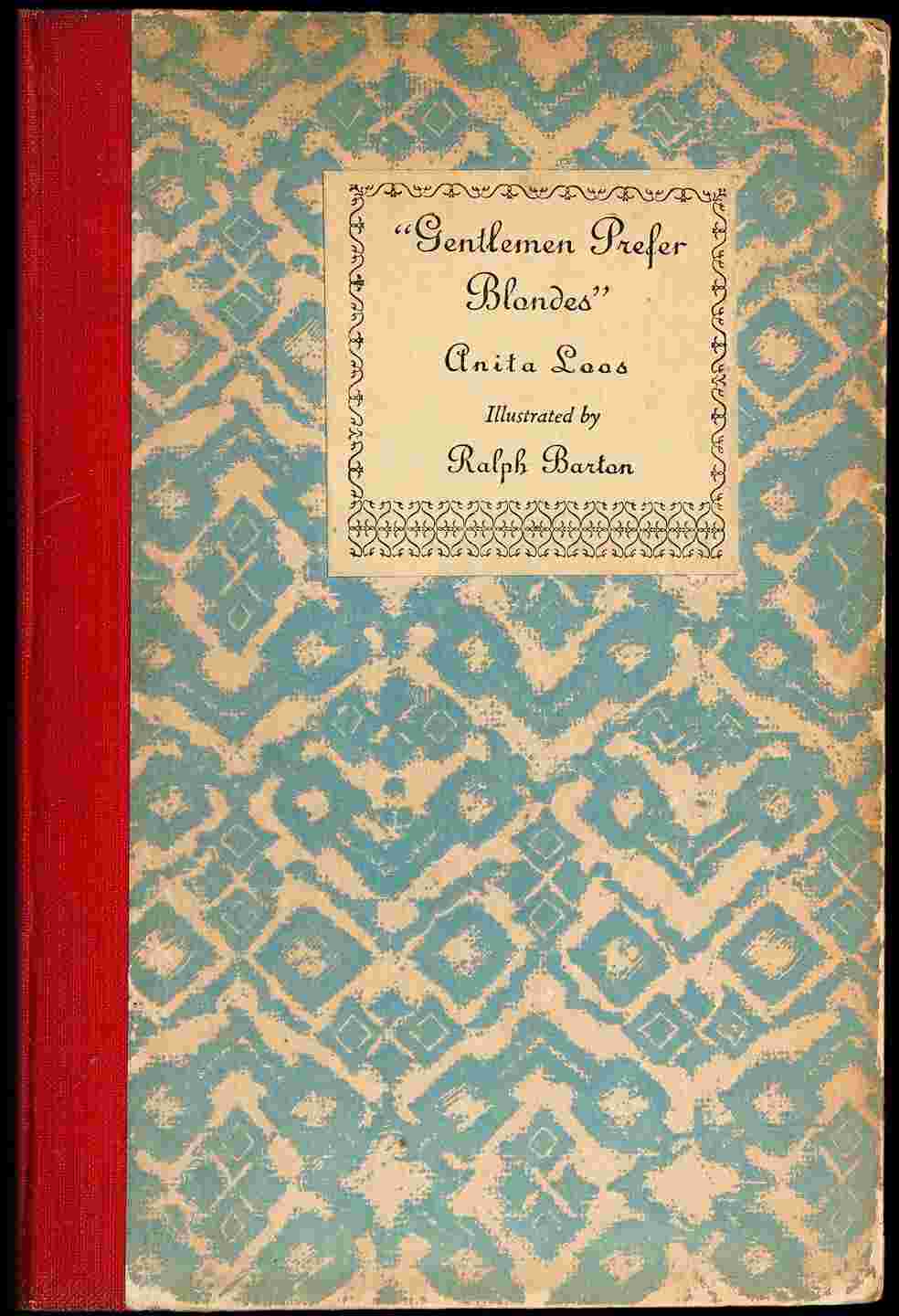 "Gentlemen prefer blondes"
by Anita Loos
"Gentlemen prefer blondes"
by Anita Loos
 "George Washington's" Last Duel / 1891
by Thomas Nelson Page
"George Washington's" Last Duel / 1891
by Thomas Nelson Page