

About This Book
A series of accessible historical sketches presents episodes from Christian history for young readers, using lives of saints, cathedral features, and local legends to illuminate faith, charity, and piety. Descriptive passages examine medieval architecture and ritual as tangible expressions of belief, while anecdote and legend supply moral examples and models of conduct. The author pairs narrative retellings with reflective commentary on religious practice and social attitudes, and organizes the material into chapters supported by illustrations and appendices that provide chronological notes and explanatory references.
About the Author
More Books by This Author
6 picks
 "Præterita": souvenirs de jeunesse
by John Ruskin
"Præterita": souvenirs de jeunesse
by John Ruskin
 A Joy For Ever (and Its Price in the Market)
by John Ruskin
A Joy For Ever (and Its Price in the Market)
by John Ruskin
 Aratra Pentelici, Seven Lectures on the Elements of Sculpture / Given before the University of Oxford in Michaelmas Term, 1870
by John Ruskin
Aratra Pentelici, Seven Lectures on the Elements of Sculpture / Given before the University of Oxford in Michaelmas Term, 1870
by John Ruskin
 Ariadne Florentina: Six Lectures on Wood and Metal Engraving
by John Ruskin
Ariadne Florentina: Six Lectures on Wood and Metal Engraving
by John Ruskin
 Fors Clavigera (Volume 6 of 8) /
by John Ruskin
Fors Clavigera (Volume 6 of 8) /
by John Ruskin
 Giotto and his works in Padua / An Explanatory Notice of the Series of Woodcuts Executed for the Arundel Society After the Frescoes in the Arena Chapel
by John Ruskin
Giotto and his works in Padua / An Explanatory Notice of the Series of Woodcuts Executed for the Arundel Society After the Frescoes in the Arena Chapel
by John Ruskin
You May Also Like
6 picks
 Voice from the Cave
by Mildred A. Wirt
Voice from the Cave
by Mildred A. Wirt
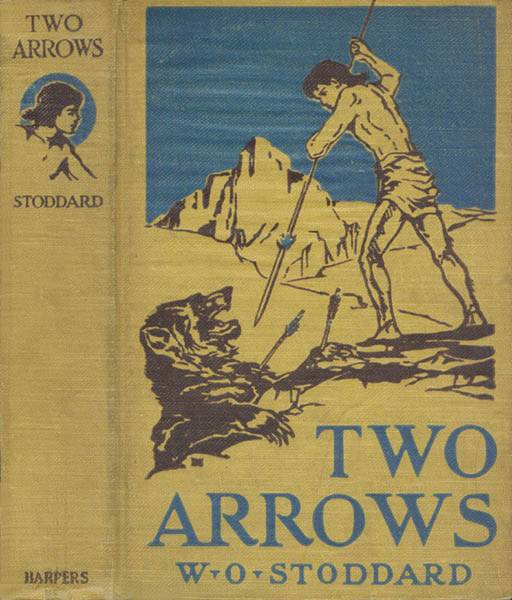 Two Arrows: A Story of Red and White
by William O. Stoddard
Two Arrows: A Story of Red and White
by William O. Stoddard
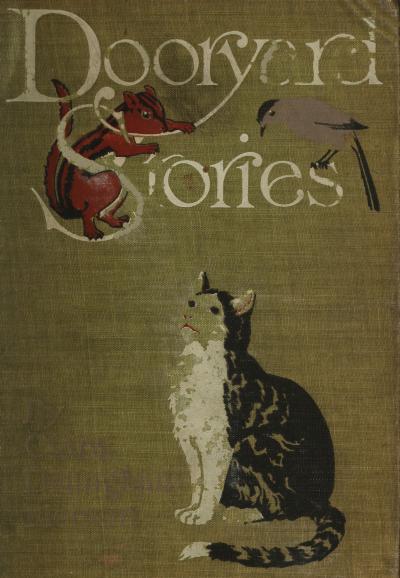 Dooryard Stories
by Clara Dillingham Pierson
Dooryard Stories
by Clara Dillingham Pierson
 Astronomical Myths: Based on Flammarions's "History of the Heavens"
by J. F. Blake
Astronomical Myths: Based on Flammarions's "History of the Heavens"
by J. F. Blake
 In the Courts of Memory, 1858-1875; from Contemporary Letters
by L. de Hegermann-Lindencrone
In the Courts of Memory, 1858-1875; from Contemporary Letters
by L. de Hegermann-Lindencrone
 Old Greek Folk Stories Told Anew
by Josephine Preston Peabody
Old Greek Folk Stories Told Anew
by Josephine Preston Peabody