
About This Book
A scientific essay that compares humans and other animals using comparative anatomy, embryology, and physiology to argue for continuity between species. It examines skull and brain proportions, pelvic and limb structure, dentition, and early developmental stages, drawing on detailed illustrations and systematic measurements to highlight shared patterns and gradations. The text connects empirical anatomical evidence to wider questions about human origins and our place in the natural order, presenting a reasoned case that human traits arise from the same biological processes observable in lower animals.
About the Author
More Books by This Author
6 picks
 A Critical Examination of the Position of Mr. Darwin's Work, "On the Origin of Species," in Relation to the Complete Theory of the Causes of the Phenomena of Organic Nature / Lecture VI. (of VI.), "Lectures to Working Men", at the Museum of Practical Geology, 1863, on Darwin's Work: "Origin of Species"
by Thomas Henry Huxley
A Critical Examination of the Position of Mr. Darwin's Work, "On the Origin of Species," in Relation to the Complete Theory of the Causes of the Phenomena of Organic Nature / Lecture VI. (of VI.), "Lectures to Working Men", at the Museum of Practical Geology, 1863, on Darwin's Work: "Origin of Species"
by Thomas Henry Huxley
 American Addresses, with a Lecture on the Study of Biology
by Thomas Henry Huxley
American Addresses, with a Lecture on the Study of Biology
by Thomas Henry Huxley
 Aphorisms and Reflections from the works of T. H. Huxley
by Thomas Henry Huxley
Aphorisms and Reflections from the works of T. H. Huxley
by Thomas Henry Huxley
 Autobiography and Selected Essays
by Thomas Henry Huxley
Autobiography and Selected Essays
by Thomas Henry Huxley
 Collected Essays, Volume V / Science and Christian Tradition: Essays
by Thomas Henry Huxley
Collected Essays, Volume V / Science and Christian Tradition: Essays
by Thomas Henry Huxley
 Coral and Coral Reefs
by Thomas Henry Huxley
Coral and Coral Reefs
by Thomas Henry Huxley
You May Also Like
6 picks
 Animal intelligence: Experimental studies
by Edward L. Thorndike
Animal intelligence: Experimental studies
by Edward L. Thorndike
 Darwinism and Race Progress
by John Berry Haycraft
Darwinism and Race Progress
by John Berry Haycraft
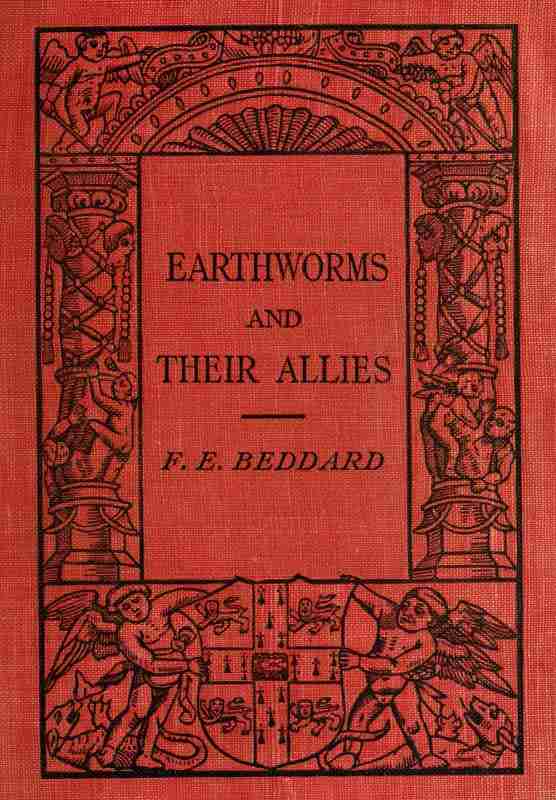 Earthworms and Their Allies
by Frank E. Beddard
Earthworms and Their Allies
by Frank E. Beddard
 The plums of New York
by U. P. Hedrick
The plums of New York
by U. P. Hedrick
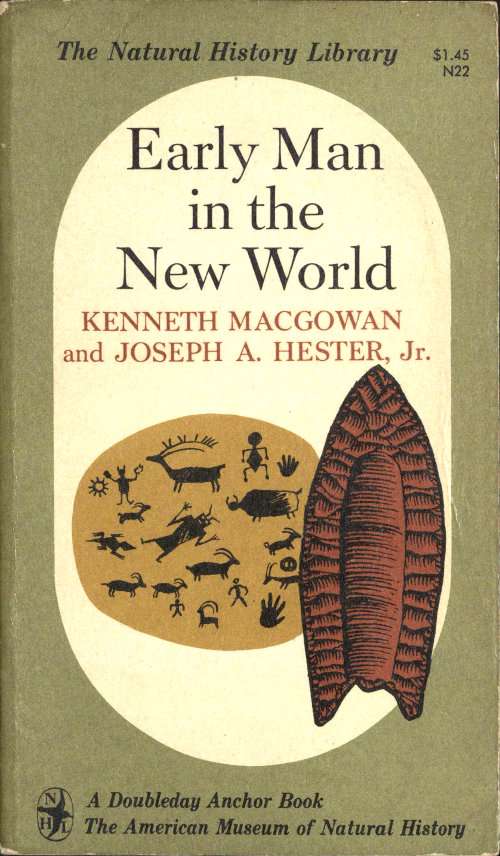 Early Man in the New World
by Kenneth Macgowan
Early Man in the New World
by Kenneth Macgowan
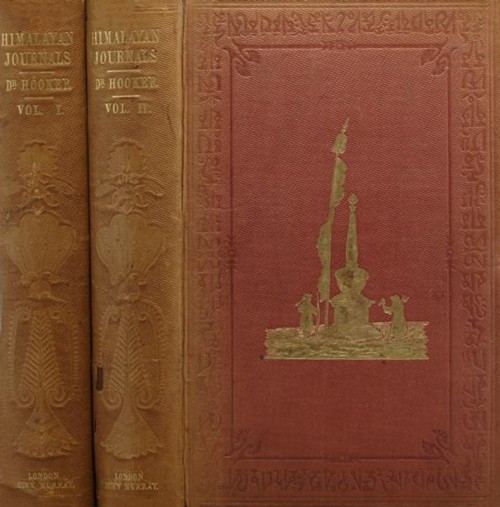 Himalayan Journals — Complete / Or, Notes of a Naturalist in Bengal, the Sikkim and Nepal Himalayas, the Khasia Mountains, etc.
by Joseph Dalton Hooker
Himalayan Journals — Complete / Or, Notes of a Naturalist in Bengal, the Sikkim and Nepal Himalayas, the Khasia Mountains, etc.
by Joseph Dalton Hooker