

About This Book
A sequence of morning visits around Florence offers close readings of paintings, frescoes, and architecture, pairing practical guidance for viewing with moral and aesthetic judgments. The author analyzes artists such as Giotto and Botticelli, comparing stylistic techniques, subjects, and expressive effects; he emphasizes the dignity of domestic and monastic themes, the shift from formal Byzantine types to more naturalistic portrayals, and the relation between artistic method and spiritual feeling. Interwoven are reflections on technique, composition, and the appropriate way to look at art, with descriptive passages that direct the reader through specific rooms and works while arguing for art's capacity to reconcile everyday life and higher vision.
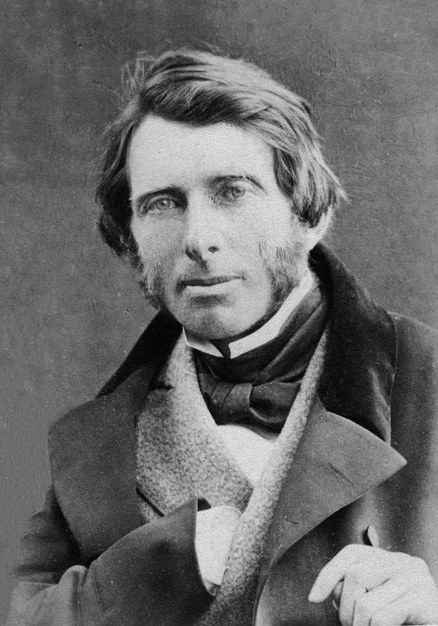
About the Author
More Books by This Author
 "Præterita": souvenirs de jeunesse
by John Ruskin
"Præterita": souvenirs de jeunesse
by John Ruskin
 A Joy For Ever (and Its Price in the Market)
by John Ruskin
A Joy For Ever (and Its Price in the Market)
by John Ruskin
 Aratra Pentelici, Seven Lectures on the Elements of Sculpture / Given before the University of Oxford in Michaelmas Term, 1870
by John Ruskin
Aratra Pentelici, Seven Lectures on the Elements of Sculpture / Given before the University of Oxford in Michaelmas Term, 1870
by John Ruskin
 Ariadne Florentina: Six Lectures on Wood and Metal Engraving
by John Ruskin
Ariadne Florentina: Six Lectures on Wood and Metal Engraving
by John Ruskin
 Fors Clavigera (Volume 6 of 8) /
by John Ruskin
Fors Clavigera (Volume 6 of 8) /
by John Ruskin
 Giotto and his works in Padua / An Explanatory Notice of the Series of Woodcuts Executed for the Arundel Society After the Frescoes in the Arena Chapel
by John Ruskin
Giotto and his works in Padua / An Explanatory Notice of the Series of Woodcuts Executed for the Arundel Society After the Frescoes in the Arena Chapel
by John Ruskin
You May Also Like
 The Teaching of Art Related to the Home / Suggestions for content and method in related art instruction in the vocational program in home economics
by Florence Fallgatter
The Teaching of Art Related to the Home / Suggestions for content and method in related art instruction in the vocational program in home economics
by Florence Fallgatter
 La cité de l'épouvantable nuit
by Rudyard Kipling
La cité de l'épouvantable nuit
by Rudyard Kipling
 Feuilles persanes; La route du Mazandéran, La femme lapidée, L'esprit persan
by Claude Anet
Feuilles persanes; La route du Mazandéran, La femme lapidée, L'esprit persan
by Claude Anet
 Triumphs of Invention and Discovery in Art and Science
by J. Hamilton Fyfe
Triumphs of Invention and Discovery in Art and Science
by J. Hamilton Fyfe
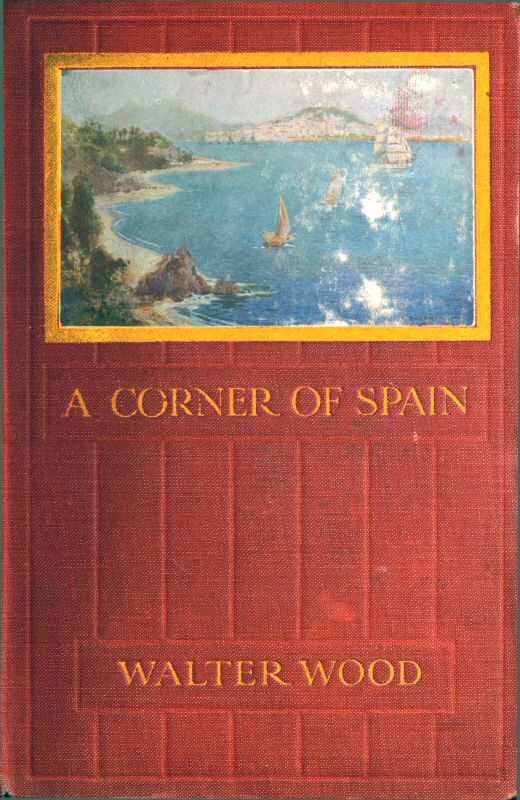 A Corner of Spain
by Walter Wood
A Corner of Spain
by Walter Wood
 The Brothers Dalziel / A Record of Fifty Years Work in Conjunction with many of the Most Distinguished Artists of the Period 1840-1890
by George Dalziel
The Brothers Dalziel / A Record of Fifty Years Work in Conjunction with many of the Most Distinguished Artists of the Period 1840-1890
by George Dalziel